حلول إدارة مستودعات الإمدادات الطارئة بتقنية RFID ودراسات الحالة
Aug 18, 2026
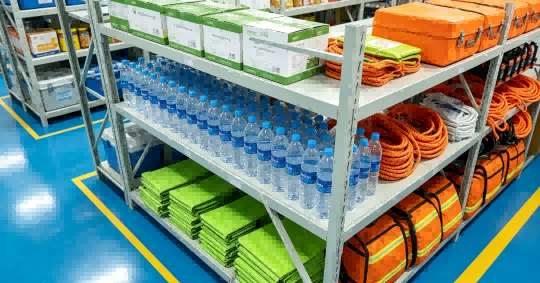
تحتاج مستودعات الإمدادات الطارئة إلى السرعة والدقة وإمكانية التتبع. فعند وقوع حالة طارئة، يجب إرسال المواد بسرعة، ويجب أن تظل بيانات المخزون دقيقة، ويجب تسجيل كل حركة.ومع ذلك، لا تزال العديد من مستودعات الاحتياط للطوارئ تواجه مشاكل مثل بيانات المخزون المتناثرة، والأنظمة غير المتصلة، والمعدات القديمة، وسجلات الواردات والصادرات اليدوية، والرؤية المحدودة في الوقت الفعلي.توفر شركة FYJ حلاً لإدارة مستودعات الإمدادات الطارئة بتقنية RFID يجمع بين برامج وأجهزة RFID لدعم العمليات الآلية الواردة والصادرة، ورؤية المخزون في الوقت الفعلي، وتتبع المواد بشكل كامل.جمعت مؤسسة FYJ أكثر من 1000 حالة مشروع في المنظمات الإدارية والمؤسسات الحكومية ومنظمات الدعم اللوجستي وإدارة الطوارئ والمجالات ذات الصلة. لماذا تحتاج مستودعات الإمدادات الطارئة إلى إدارة متخصصة تختلف مستودعات الإمدادات الطارئة عن المستودعات التجارية العادية. فمتطلبات إدارتها أكثر صرامة في عدة مجالات. استجابة سريعةيجب إرسال الإمدادات الطارئة بسرعة بعد إصدار تعليمات الطوارئ.يجب على عمليات المستودعات الاستجابة فوراً لدعم معالجة الشحنات الصادرة بسرعة.فئات المواد المعقدةقد تشمل الاحتياطيات الطارئة آلاف الأصناف التي تغطي الاحتياجات اليومية والإمدادات الطبية ومعدات الإنقاذ وغيرها من المواد.تؤدي الدفعات المختلفة وتواريخ انتهاء الصلاحية إلى زيادة صعوبة إدارة المخزون.إدارة تاريخ انتهاء الصلاحيةتتطلب المواد الغذائية والأدوية وغيرها من المواد الحساسة للوقت مراقبة تاريخ انتهاء الصلاحية.يدعم النظام التنبيهات الخاصة بالمواد التي تقترب من تاريخ انتهاء صلاحيتها ويمنع إصدار المواد منتهية الصلاحية.النقل عبر المناطقبالنسبة للمؤسسات التي لديها مستودعات احتياطية متعددة، يجب مزامنة بيانات المخزون عبر المواقع لدعم عمليات نقل المواد عبر المناطق.التشغيل دون اتصال بالإنترنتقد لا تتمتع المستودعات المؤقتة والبيئات الميدانية دائمًا بإمكانية الوصول المستقر إلى الشبكة.يدعم النظام التشغيل دون اتصال بالإنترنت حتى تتمكن أنشطة المستودع من الاستمرار عندما تكون الشبكة غير متاحة.الأمن وإمكانية التتبعتتطلب مواد الطوارئ سجلات واضحة لكل حركة.يدعم النظام تشفير البيانات، والوصول القائم على الأذونات، وسجلات العمليات الكاملة لأغراض التتبع والتدقيق. بنية نظام إدارة الإمدادات الطارئة بتقنية تحديد الهوية بموجات الراديو (RFID) يستخدم حل FYJ بنية ثلاثية الطبقات تغطي جمع البيانات وتطبيقات الإدارة والوصول إلى النظام. طبقة جمع البياناتتتضمن طبقة جمع البيانات ما يلي:العلامات الإلكترونية بتقنية RFIDأجهزة الكمبيوتر المحمولة بتقنية RFIDقارئات RFID الثابتةطابعات RFIDبوابات RFIDتقوم هذه الأجهزة بجمع معلومات المواد أثناء عمليات المستودعات.عندما تكون الشبكة غير متاحة، يمكن تخزين البيانات محليًا ونقلها لاحقًا إلى النظام من خلال طرق غير متصلة بالإنترنت. طبقة التطبيقيدعم النظام ما يلي:جرد المخزون بالجملةإدارة الموادنقل الموادمجموعة الموادصيانةإدارة المرتجعاتإدارة الواردات الآليةإدارة الاتصالات الصادرة الآلية الوصول إلى النظاميمكن لموظفي المستودع تسجيل الدخول إلى نظام إدارة تقنية تحديد الهوية بموجات الراديو (RFID) الخاص بشركة FYJ من خلال:الهواتف المحمولةأجهزة الكمبيوترأجهزة محمولة بتقنية RFIDشاشات العرضيتيح ذلك للمستخدمين عرض بيانات المستودعات والمخزون من خلال محطات طرفية مختلفة. الوظائف الرئيسية لحل إدارة الإمدادات الطارئة بتقنية RFID من FYJ إدارة آلية للواردات والصادراتيمكن نشر أجهزة قراءة RFID المدمجة أو بوابات RFID عند مداخل ومخارج المستودعات.عندما تمر المواد التي تحمل علامات RFID، يقوم النظام تلقائيًا بقراءة علامات متعددة وتسجيل المعلومات في نظام الإدارة.لا حاجة لمسح كل عنصر على حدة أو تسجيل كل معاملة يدوياً. نظام جرد المخزون الذكي بالجملةيعمل هذا الحل مع جهاز الكمبيوتر المحمول FYJ F9850U RFID.يمكن لموظفي المستودع السير على طول الرفوف باستخدام الجهاز المحمول باليد، والذي يقرأ تلقائيًا علامات RFID القريبة ويولد نتائج المخزون في الوقت الفعلي.يمكن تحسين كفاءة جرد المخزون بنسبة 97%، بينما يمكن أن تصل دقة المخزون إلى 99.8%. رؤية المخزون في الوقت الفعلييمكن لموظفي الإدارة الاطلاع على بيانات المستودع من خلال أجهزة الكمبيوتر ولوحات معلومات البيانات.تتضمن المعلومات المتاحة ما يلي:إجمالي كمية المخزونتوزيع فئات الموادمعلومات الدفعةتواريخ انتهاء الصلاحيةالنشاط الواردالنشاط الخارجييدعم النظام أيضًا إعداد التقارير حسب فئة المواد والمنطقة والوقت. إمكانية تتبع العملية بالكامليتم تسجيل كل مادة طارئة من وقت تخصيص رمز تعريف لها أثناء عملية المعالجة الواردة.يتم تسجيل جميع العمليات اللاحقة حتى مرحلة المغادرة تلقائيًا في النظام.وهذا يسمح بتتبع تحركات المواد طوال عملية الإدارة. مراقبة البيئة في الوقت الحقيقييمكن للنظام دمج أجهزة استشعار درجة الحرارة والرطوبة.يمكن مزامنة بيانات درجة الحرارة والرطوبة مع نظام الإدارة وعرضها على لوحات بيانات.عندما تتجاوز درجة الحرارة أو الرطوبة النطاق المحدد، يقوم النظام بإخطار موظفي إدارة المستودع. دراسات حالة إدارة الإمدادات الطارئة باستخدام تقنية تحديد الهوية بموجات الراديو توضح المشاريع التالية كيفية تطبيق حل إدارة الإمدادات الطارئة بتقنية RFID من FYJ في بيئات احتياطية طارئة مختلفة. دراسة حالة 1: فريق الإنقاذ في حالات الطوارئ في مقاطعة تشينغهايتدير المنظمة فرقاً فرعية متعددة.تضمنت تحدياتها الرئيسية ما يلي:لم يكن بالإمكان عرض معلومات المخزون في الوقت الفعليلم يكن من الممكن صيانة معدات الإنقاذ بانتظاماعتمدت العمليات الواردة والصادرة على السجلات اليدويةكان العمل اليدوي يستغرق وقتاً طويلاً وعرضة للأخطاءقامت المنظمة بتطبيق حل إدارة الواردات والصادرات الآلي بتقنية RFID من شركة FYJ.بعد التنفيذ:تحسنت كفاءة العمليات الداخلية والخارجية بشكل ملحوظيمكن إجراء صيانة المعدات بانتظامتم تمديد العمر التشغيلي للمعداتأصبحت بيانات المخزون أكثر دقة دراسة حالة ٢: مكتب إدارة الطوارئ في مقاطعة جيانغسوكان المستودع يدير مجموعة واسعة من المواد على دفعات متعددة.تضمنت تحدياتها الرئيسية ما يلي:اعتمدت العمليات الواردة والصادرة على التسجيل اليدويكان العمل اليدوي غير فعال وعرضة للأخطاءغالباً ما لم تتطابق الجردات المادية مع سجلات النظامقامت المنظمة بتطبيق حل إدارة الواردات والصادرات الآلي بتقنية RFID من شركة FYJ.بعد التنفيذ:ارتفعت كفاءة العمليات الخارجية بنسبة 80%يمكن عرض المخزون في الوقت الفعليأصبحت بيانات المخزون أكثر دقةيمكن تتبع المواد طوال عملية الإدارة دراسة حالة 3: مستودع الإمدادات الطارئة التابع لحكومة إحدى البلداتكان المستودع يتعامل مع عمليات استعارة المواد وإعادتها بشكل متكرر.تضمنت تحدياتها الرئيسية ما يلي:كانت سجلات الاستعارة والإرجاع اليدوية عرضة للأخطاءكانت الخسائر المادية تحدث بشكل متكررلم يكن المستودع مزودًا بشبكة واي فاي، وكان يتطلب تشغيلًا دون اتصال بالإنترنت.لم تكن كميات المخزون متاحة في الوقت الفعليقام المستودع بتطبيق حل إدارة الواردات والصادرات الآلي بتقنية RFID من شركة FYJ.بعد التنفيذ:تم نشر النظام محلياًتم دعم التشغيل دون اتصال بالإنترنتيمكن عرض المخزون في الوقت الفعليتم تسجيل سجلات الاستعارة والإرجاع تلقائيًا تقنية تحديد الهوية بموجات الراديو (RFID) لإدارة إمدادات الطوارئ بشكل أسرع وأكثر قابلية للتتبع يدعم حل إدارة مستودعات الإمدادات الطارئة بتقنية RFID من FYJ عمليات الاستلام والتسليم الآلية، وجرد المخزون بالجملة، ورؤية المخزون في الوقت الفعلي، وتتبع المواد، والتشغيل دون اتصال بالإنترنت، والمراقبة البيئية.من خلال الجمع بين علامات RFID والأجهزة المحمولة وأجهزة القراءة الثابتة وطابعات RFID وبوابات الدخول وبرامج الإدارة، يمكن لمستودعات الاحتياطي للطوارئ الانتقال من التسجيل اليدوي والمسح الضوئي الفردي إلى إدارة المواد بشكل أكثر آلية.بالنسبة لأقسام إدارة الطوارئ ومستودعات الاحتياط، يساعد هذا في ضمان إمكانية إرسال المواد بسرعة، وبقائها متاحة عند الحاجة، وإمكانية تتبعها طوال العملية. التعليمات ما هو نظام إدارة الإمدادات الطارئة بتقنية تحديد الهوية بموجات الراديو (RFID)؟إنه حل إداري يجمع بين علامات RFID وقارئات RFID والأجهزة المحمولة والطابعات وبوابات الدخول والبرامج لإدارة مواد الاحتياط في حالات الطوارئ.كيف تعمل تقنية تحديد الهوية بموجات الراديو (RFID) على أتمتة العمليات الواردة والصادرة؟يتم تركيب أجهزة قراءة RFID أو بوابات الدخول عند مداخل ومخارج المستودعات. وعندما تمر المواد الموسومة بتقنية RFID، يقوم النظام بقراءة عدة علامات تلقائيًا وتسجيل المعلومات المقابلة.هل يمكن استخدام تقنية تحديد الهوية بموجات الراديو (RFID) لجرد المخزون بكميات كبيرة؟نعم. يمكن لجهاز الكمبيوتر المحمول FYJ F9850U RFID قراءة العديد من علامات RFID أثناء سير موظفي المستودع على طول الرفوف.هل يمكن للنظام العمل دون اتصال بالإنترنت؟نعم. يدعم هذا الحل تخزين البيانات محليًا والتشغيل دون اتصال بالإنترنت عندما يكون الوصول إلى الشبكة غير متاح.هل يستطيع النظام إدارة تواريخ انتهاء الصلاحية؟نعم. يدعم النظام إدارة الدفعات وتواريخ انتهاء الصلاحية، بما في ذلك التنبيهات الخاصة بالمواد التي تقترب من تاريخ انتهاء الصلاحية.هل يمكن مراقبة درجة الحرارة والرطوبة؟نعم. يمكن دمج أجهزة استشعار درجة الحرارة والرطوبة مع النظام، ويمكن عرض البيانات على منصة الإدارة ولوحة بيانات المعلومات.
اقرأ أكثر


 ar
ar 


 دعم شبكة IPv6