
 ar
ar 



هل تعاني من نقص المخزون أو فائض المخزون؟ اكتشف كيف توفر تقنية RFID و AIDC رؤية فورية للمواد الخام والمنتجات قيد التصنيع والمنتجات النهائية لتبسيط عمليات مصنعك.
في عصر إنترنت الأشياء الصناعية (IIoT)، يتعرض المصنعون لضغوط للقضاء على الهدر وتحسين الكفاءة.
ومع ذلك، لا يزال الكثيرون يعتمدون على إدخال البيانات يدويًا أو مسح الرموز الشريطية لإدارة أصولهم الأكثر قيمة: المخزون.
ما المشكلة؟ تتطلب الرموز الشريطية رؤية مباشرة وتدخلاً بشرياً. وتصبح البيانات قديمة بحلول الوقت الذي تصل فيه إلى النظام. أما دقة المخزون - وهي الهدف الأسمى في التصنيع - فلا تزال بعيدة المنال.
هنا يأتي دور تقنيتي تحديد الهوية بترددات الراديو (RFID) والتعرف التلقائي على البيانات والتقاطها (AIDC). وباعتبارهما مكونين أساسيين لأنظمة تحديد المواقع في الوقت الفعلي (RTLS)، تُحدث هاتان التقنيتان ثورة في كيفية تتبع المصانع للمواد الخام والمنتجات قيد التصنيع والمنتجات النهائية من رصيف الاستلام إلى رصيف الشحن.
[اقرأ دليلنا حول "تقنية تحديد الهوية بموجات الراديو (RFID) مقابل الباركود: كيف نختار الحل الأمثل لإدارة المستودعات/المخزون/الأصول الحديثة؟"]
لماذا تفشل الأساليب التقليدية: الحاجة إلى جمع البيانات آلياً
قبل استكشاف الحل، دعونا نفحص معوقات إدارة المخزون التقليدية.
يؤدي الجرد اليدوي الدوري إلى تعطيل الإنتاج. وتخلق جداول البيانات عزلة في قواعد البيانات. وعندما تضيع المواد، يضيع المشغلون ساعات في البحث عنها.
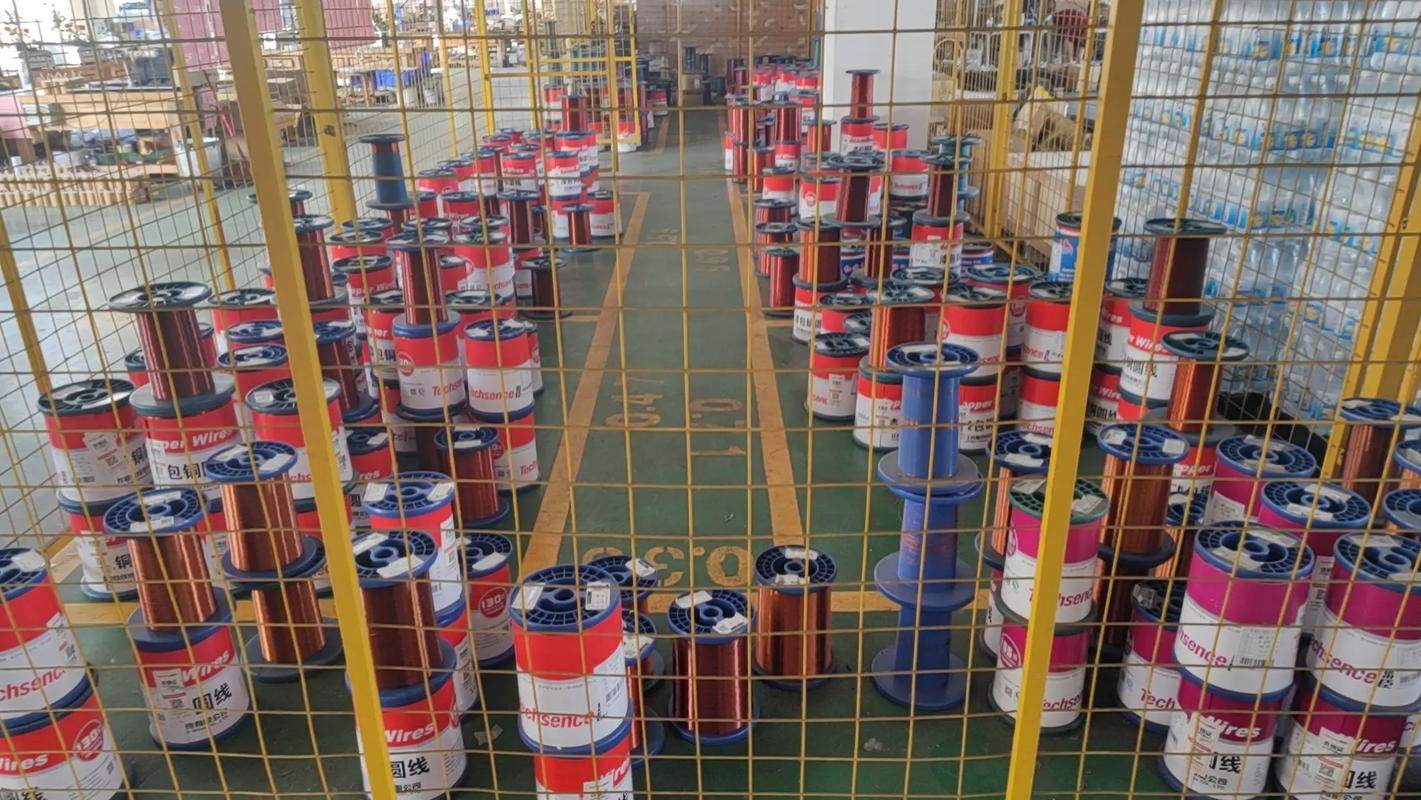
تكلفة ضعف الرؤية:
- نقص المخزون: تتوقف خطوط الإنتاج لأن المواد الخام ليست في المكان الذي ينبغي أن تكون فيه.
- المخزون الزائد: الخوف من النقص يؤدي إلى الإفراط في الطلب، مما يؤدي إلى تجميد رأس المال العامل.
- الأخطاء اليدوية: تؤدي كتابة أرقام الأجزاء أو الكميات بشكل خاطئ إلى تلف بيانات نظام تخطيط موارد المؤسسات (ERP).
لتحقيق الكفاءة التشغيلية الحقيقية، يجب على المصنّعين تبني التصنيع بدون استخدام الورق والتتبع الآلي.
1. المواد الخام: من الاستلام إلى الرؤية في الوقت الفعلي
تبدأ الرحلة من رصيف التحميل. مع تقنية مسح الباركود التقليدية، يجب مسح كل منصة نقالة يدويًا، وهي عملية بطيئة وتتطلب جهدًا كبيرًا. أما مع تقنية تحديد الهوية بموجات الراديو (RFID)، فتصبح العملية آلية بالكامل.
كيف تُحدث تقنية تحديد الهوية بموجات الراديو (RFID) تحولاً في استلام المواد الخام:
بمجرد مرور المواد عبر بوابة RFID، تقوم أجهزة القراءة بالتقاط البيانات فورًا من العلامات السلبية الموجودة على العبوات. يقوم النظام تلقائيًا بمطابقة الشحنة مع أمر الشراء، وتحديث نظام تخطيط موارد المؤسسات (ERP) الخاص بك في الوقت الفعلي. هذا هو جوهر تقنية AIDC - التقاط البيانات تلقائيًا، دون تدخل بشري.
ما وراء المواد: تتبع الأصول للحاويات القابلة للإرجاع
لا تقتصر تقنية تحديد الهوية بموجات الراديو (RFID) على المواد الخام فحسب، بل تُمكّن أيضاً من تتبع الأصول ذات القيمة العالية مثل الحاويات القابلة لإعادة الاستخدام والمنصات والأدوات. ومن خلال وضع علامات على هذه الأصول، يحصل المصنّعون على رؤية شاملة لسلسلة التوريد، حيث يعرفون بدقة مكان كل حاوية، سواءً في المستودع أو في صالة الإنتاج أو أثناء نقلها من الموردين.
النتيجة: انخفاض وقت الاستلام بأكثر من 90%، ودقة شبه مثالية في المخزون، وتكامل سلس مع نظام إنترنت الأشياء الصناعية الخاص بك.
2. العمل قيد التنفيذ (WIP): إضاءة خط الإنتاج باستخدام نظام تحديد المواقع في الوقت الحقيقي (RTLS)
بمجرد دخول المواد الخام إلى عملية الإنتاج، غالباً ما تختفي في "صندوق أسود". أنت تعرف ما دخل، وتعرف ما خرج، ولكن ماذا حدث بينهما؟ هذا النقص في الشفافية يخفي الاختناقات، وعدم الكفاءة، ومشاكل الجودة.
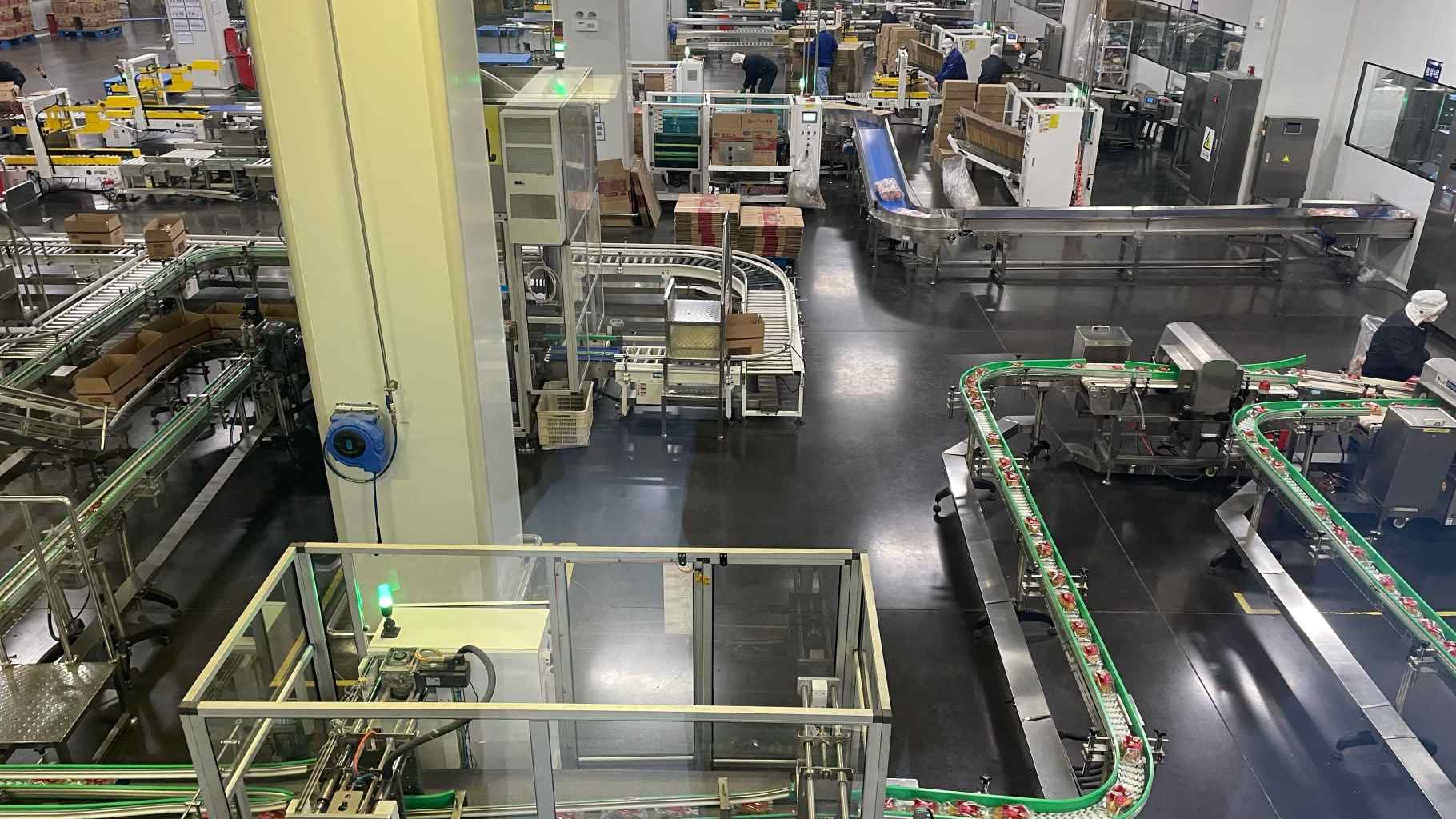
الحل: أنظمة تحديد المواقع في الوقت الحقيقي (RTLS)
من خلال نشر نظام تحديد المواقع في الوقت الحقيقي باستخدام قارئات RFID عند التقاطعات الحرجة (محطات التجميع، ونقاط مراقبة الجودة، ومخازن المواد)، يمكن للمصنعين تتبع العمل قيد التنفيذ (WIP) تلقائيًا.
الفوائد الرئيسية لتقنية تحديد الهوية بموجات الراديو (RFID) لتتبع سير العمل:
- اكتشاف الاختناقات: إذا تراكمت وحدات العمل قيد التنفيذ في محطة معينة، يقوم النظام بتنبيه المديرين على الفور، مما يتيح إعادة تخصيص الموارد بسرعة.
- منع الأخطاء: تضمن تقنية تحديد الهوية بموجات الراديو (RFID) استخدام المواد والمكونات الصحيحة في كل مرحلة، مما يقلل من عمليات إعادة العمل المكلفة.
- التصنيع بدون ورق: تخلص من المستندات الورقية وإدخال البيانات اليدوي. يقوم المشغلون ببساطة بتمرير المواد أمام أجهزة القراءة، ويقوم النظام بتسجيل كل معاملة.
تعمل تقنية تحديد الهوية بموجات الراديو (RFID) كعمود فقري لنظام تحديد المواقع في الوقت الحقيقي (RTLS)، مما يوفر رؤية دقيقة لكل شبر من أرضية الإنتاج - مما يضمن أن تكون منتجاتك قيد التصنيع دائمًا في المكان الذي ينبغي أن تكون فيه.
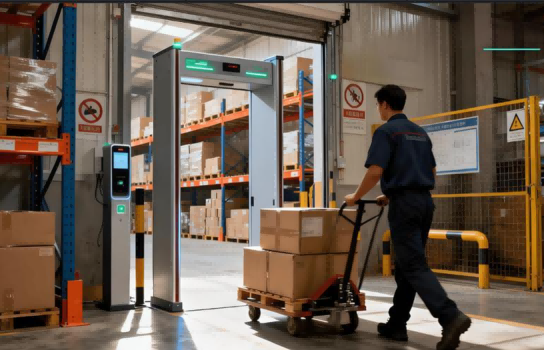
3. المنتجات النهائية: تحسين سير العمل الصادر
تُعدّ المرحلة الأخيرة من عملية التصنيع المرحلة التي تكون فيها الأخطاء مكلفة للغاية. فشحن المنتج الخاطئ يُلحق الضرر بثقة العملاء ويُكبّد تكاليف باهظة للخدمات اللوجستية العكسية. وتُسهم تقنية تحديد الهوية بموجات الراديو (RFID) في تبسيط إدارة المنتجات النهائية بعدة طرق:
أ. التخزين الآلي
بمجرد تغليف البضائع ووضع العلامات عليها، ينقلها العمال إلى المستودع. تقوم أجهزة قراءة RFID المحمولة بالتحقق من مواقع التخزين على الفور، مما يضمن دقة التخزين دون الحاجة إلى مسح كل رمز شريطي.
ب. انتقاء وشحن خالٍ من الأخطاء
عندما يصبح الطلب جاهزاً، يستطيع العمال التحقق من محتويات المنصة بأكملها في ثوانٍ. كما يمكن للأرفف الذكية المزودة بقارئات RFID تنبيه المديرين في حال نقل سلع ذات قيمة عالية دون إذن.
ج. جرد دوري بدون توقف
تخيل إجراء جرد فعلي كامل دون توقف العمليات. باستخدام قارئات RFID المحمولة، أو حتى الطائرات المسيّرة المزودة بتقنية RFID، يستطيع العمال التجول بين الممرات وتسجيل بيانات آلاف الأصناف في دقائق. هذا يرفع دقة الجرد إلى ما يقارب 99% ويدعم مبادئ التصنيع الرشيق.
من خلال دمج تقنية تحديد الهوية بموجات الراديو (RFID) مع استراتيجية رؤية سلسلة التوريد الخاصة بك، فإنك تضمن وصول السلع النهائية المناسبة إلى العملاء المناسبين في الوقت المناسب.
الاعتبارات الفنية لتطبيق تقنية تحديد الهوية بموجات الراديو (RFID)
عند تقييم حلول تحديد الهوية بموجات الراديو (RFID) لمصنعك، ضع هذه العوامل في الاعتبار:
- اختيار الوسم: تتطلب البيئات المختلفة أنواعًا مختلفة من العلامات. لتتبع سير العمل في ظروف قاسية (مثل كبائن الطلاء، والمعالجة الحرارية)، ستحتاج إلى علامات RFID عالية الحرارة أو علامات مثبتة على المعدن مصممة لتحمل درجات الحرارة القصوى والتداخل.
- البنية التحتية للقارئ: لاستلام المواد الخام، توفر قارئات بوابات RFID مسحًا ضوئيًا جماعيًا بدون استخدام اليدين. أما لتتبع المنتجات قيد التصنيع، فتُوفر القارئات المثبتة على السيور الناقلة أو هوائيات RTLS العلوية رؤية مستمرة.
- التكامل مع الأنظمة الحالية: يجب أن يتكامل حل RFID الخاص بك بسلاسة مع نظام تخطيط موارد المؤسسات (ERP) ونظام تنفيذ التصنيع (MES) ونظام إدارة المستودعات (WMS).
[استكشف دليلنا "دليل تكامل نظام RFID للمصنعين"]
العائد على الاستثمار في تقنية تحديد الهوية بموجات الراديو في قطاع التصنيع
يؤدي تطبيق تقنيتي RFID و AIDC على المواد الخام والمنتجات قيد التصنيع والمنتجات النهائية إلى تحقيق عوائد قابلة للقياس:
| متري | تحسين |
|---|---|
| دقة المخزون | 95% → 99%+ |
| وقت الاستلام | الساعات ← الدقائق |
| وقت العد الدوري | أيام ← ساعات |
| تخفيضات على المخزون | انخفاض بنسبة 30-50% |
| إنتاجية العمل | زيادة بنسبة 20-30% |
إضافةً إلى هذه المقاييس، تُمكّن تقنية تحديد الهوية بموجات الراديو (RFID) من إجراء تحليلات تنبؤية من خلال تغذية منصة إنترنت الأشياء الصناعية (IIoT) ببيانات فورية. وبمرور الوقت، تستطيع خوارزميات التعلم الآلي تحديد الأنماط، والتنبؤ بنقص المخزون، وتحسين نقاط إعادة الطلب تلقائيًا.
الخلاصة: المستقبل آلي
لن تعتمد مصانع المستقبل على الحافظات الورقية والعد اليدوي. فمن خلال تبني تقنيات تحديد الهوية بموجات الراديو (RFID) والتعرف التلقائي على البيانات (AIDC) لإدارة المخزون، ودمج أنظمة تحديد المواقع في الوقت الفعلي (RTLS)، واعتماد جمع البيانات الآلي، يمكن للمصنعين تحقيق مصدر موحد للمعلومات.
وهذا يؤدي إلى:
- انخفاض رأس المال المستثمر في المخزون الزائد
- زيادة استخدام الآلات نتيجة لانخفاض حالات النقص
- دقة مثالية في الطلبات للعملاء
- رؤية شاملة لسلسلة التوريد من المورد إلى العميل - للمواد الخام، والمنتجات قيد التصنيع، والمنتجات النهائية
هل أنت مستعد لتحويل عمليات التصنيع الخاصة بك؟ لم يعد تطبيق تقنية RFID / AIDC مجرد "ميزة إضافية" - بل أصبح ضرورة تنافسية في عصر الصناعة 4.0.


 دعم شبكة IPv6