دليل اختيار نظام تتبع الأصول بتقنية RFID: كيفية اختيار حل RFID المناسب لعملك (2026)
Jul 23, 2026
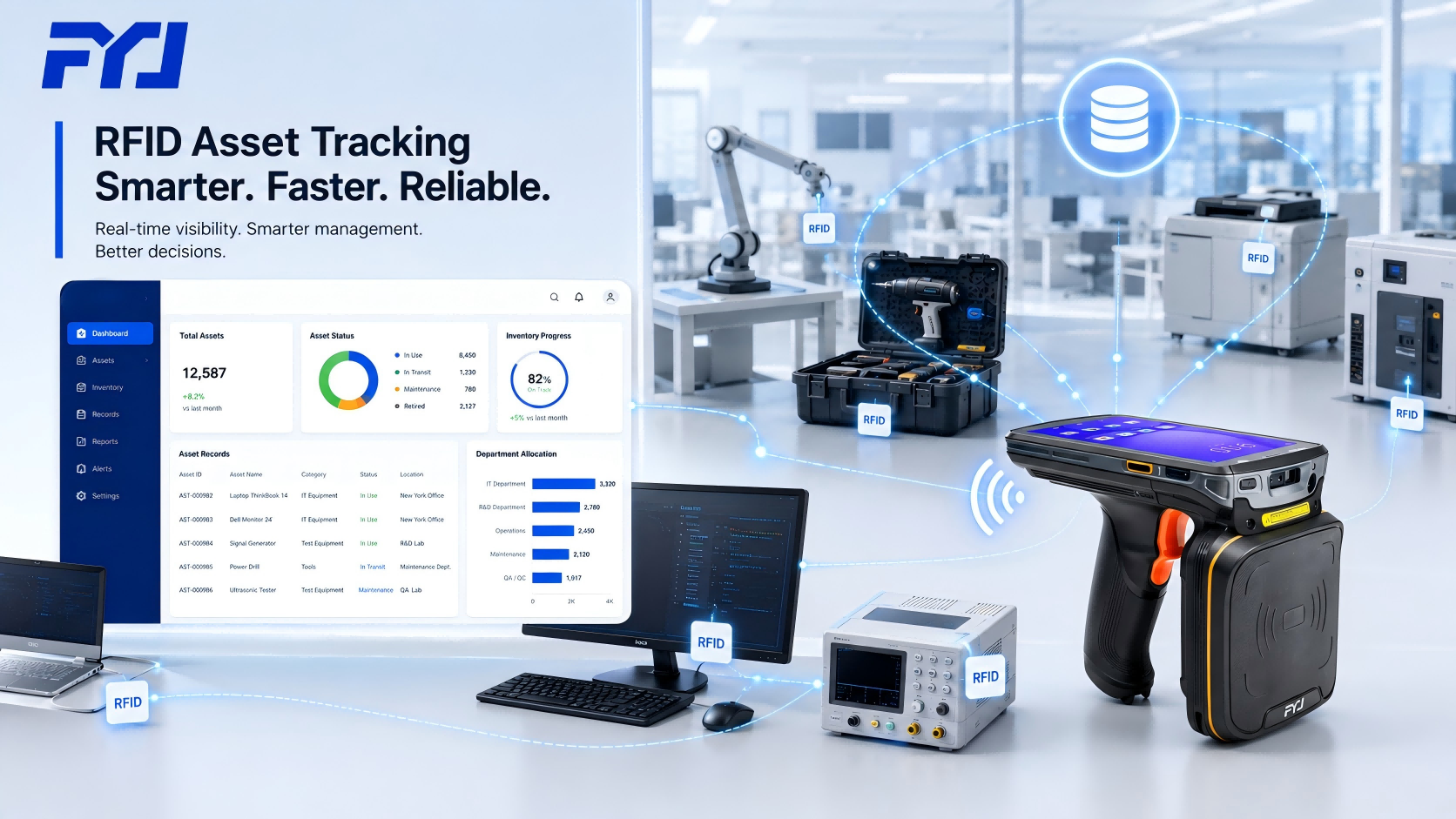
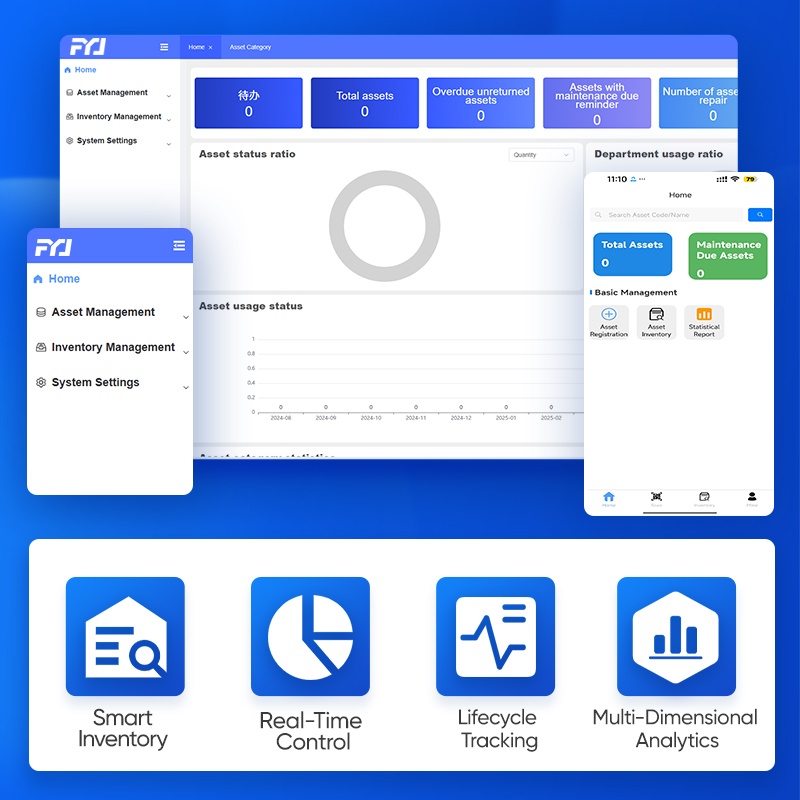
إجابة سريعة يربط نظام تتبع الأصول بتقنية RFID الأصول المادية بالسجلات الرقمية من خلال علامات RFID, قارئات RFIDوالأجهزة المحمولة، و برنامج إدارة الأصول.عند اختيار حلول تحديد الهوية باستخدام موجات الراديو (RFID)، ينبغي على الشركات التركيز على عدة أسئلة عملية:ما هي أنواع الأصول التي تحتاج إلى إدارة؟أين تُستخدم هذه الأصول؟كم مرة يتم إجراء الجرد؟هل يحتاج الموظفون إلى عمليات متنقلة أو تحديد هوية تلقائي؟ما هي طريقة النشر المناسبة لبيئة تكنولوجيا المعلومات؟ليس بالضرورة أن يكون أفضل نظام لتحديد الهوية بموجات الراديو هو الأكثر تطوراً. في كثير من الحالات، يكون الخيار الأمثل هو الحل الذي يتناسب مع سير العمل الفعلي للشركة واحتياجاتها الإدارية. ما هو نظام تتبع الأصول بتقنية RFID؟ يمنح نظام تتبع الأصول بتقنية RFID الأصول المادية هوية رقمية.يتم تزويد كل أصل بعلامة RFID. تقوم قارئات RFID أو الأجهزة المحمولة بجمع المعلومات من تلك العلامات، ويقوم برنامج إدارة الأصول بتخزين البيانات وتنظيمها.يتضمن نظام تتبع الأصول بتقنية RFID الكامل عادةً ما يلي:علامات RFIDيتم إرفاق العلامات بالأصول المادية وتخزين معلومات تعريفية فريدة.أجهزة قراءة RFIDتقوم أجهزة مثل أجهزة المساعد الرقمي الشخصي المحمولة بتقنية RFID وأجهزة القراءة الثابتة بجمع معلومات الأصول أثناء الجرد أو النقل.برامج إدارة الأصوليتولى البرنامج إدارة سجلات الأصول، ونتائج الجرد، وسجل التحويلات، ومسؤولية المستخدم، وإعداد التقارير.تساعد هذه المكونات مجتمعة الشركات على الإجابة عن الأسئلة التي يصعب إدارتها من خلال جداول البيانات أو السجلات اليدوية:أين يقع أحد الأصول؟من المسؤول عن ذلك حالياً؟هل تم نقلها؟متى تم جرد محتوياتها آخر مرة؟هل يتطابق الأصل المادي مع سجل النظام؟تُستخدم تقنية تتبع الأصول بتقنية RFID بشكل شائع في:إدارة معدات التصنيعإدارة الأصول الثابتة للمؤسساتتتبع معدات المختبرإدارة مواد المستودعاتإدارة الأصول الحكومية والمؤسسية لماذا تبدأ الشركات في النظر في تقنية تحديد الهوية بموجات الراديو (RFID) لا تتبنى معظم الشركات تقنية تحديد الهوية بموجات الراديو (RFID) لمجرد رغبتها في الحصول على تكنولوجيا جديدة.عادة ما تكون لديهم مشكلة عملية أولاً.قد تمتلك شركة تصنيع آلاف الأدوات ومعدات الإنتاج. المعدات موجودة، لكن فرق إدارة المخزون تقضي وقتاً طويلاً في التحقق من المواقع يدوياً.قد تعرف مؤسسة كبيرة عدد أجهزة الكمبيوتر أو الأجهزة التي تمتلكها، ولكن بعد سنوات من تغييرات الموظفين، يصبح من الصعب الاحتفاظ بسجلات ملكية الأصول.قد يمتلك المستودع بيانات دقيقة عن المخزون ولكنه لا يزال يعتمد بشكل كبير على العد اليدوي.على نطاق أصغر، يمكن أن تعمل جداول البيانات وأنظمة الباركود بشكل جيد.يظهر التحدي عندما تزداد أعداد الأصول، أو عندما تشارك أقسام متعددة، أو عندما تستغرق عملية الجرد وقتاً طويلاً.عادةً ما تبدأ الشركات في تقييم تقنية تحديد الهوية بموجات الراديو (RFID) في ذلك الوقت. تجربة FYJ: ما يهم في مشاريع RFID الحقيقية انطلاقاً من خبرة FYJ في العمل مع تطبيقات التصنيع والمؤسسات والمستودعات والتطبيقات المؤسسية، نادراً ما تكون مشاريع RFID صعبة بسبب التكنولوجيا نفسها.الجزء الأصعب هو تصميم نظام يتناسب مع العمليات اليومية.قبل اختيار الأجهزة، ينبغي على الشركات فهم ثلاثة أمور:ما هي الأصول التي يجب تتبعها؟قد تتطلب أداة إنتاج المعادن، وجهاز كمبيوتر محمول، ومنتج نسيجي حلولاً مختلفة لتقنية تحديد الهوية بموجات الراديو (RFID).كيف تتم إدارة الأصول اليوم؟تحتاج بعض الشركات بشكل أساسي إلى إدارة أسرع للمخزون.يحتاج آخرون إلى سجلات نقل أفضل، أو تتبع أوضح للمسؤولية، أو تحسين الرؤية عبر مواقع متعددة.ما هو مقدار الأتمتة المطلوب فعلياً؟لا تحتاج كل شركة إلى أجهزة قراءة ثابتة في كل مكان.يمكن لبعض المشاريع تحقيق تحسينات كبيرة باستخدام أجهزة المساعد الرقمي الشخصي المحمولة بتقنية RFID وحدها، بينما تستفيد مشاريع أخرى من التعرف التلقائي عند المداخل أو المناطق الخاضعة للرقابة.يبدأ مشروع RFID الناجح بفهم عملية العمل، ثم اختيار التكنولوجيا. 1. اختر تقنية RFID بناءً على بيئة أصولك من أكثر الأخطاء شيوعاً في مشاريع تحديد الهوية بموجات الراديو (RFID) اختيار المعدات قبل فهم الأصول.لا ينبغي أن يكون السؤال الأول كالتالي:"أي قارئ RFID يجب أن نشتري؟"ينبغي أن يكون:"ما نوع الأصول التي نحاول إدارتها؟" معدات التصنيعغالباً ما تتضمن بيئات التصنيع ما يلي:أدوات الإنتاجمعدات الصيانةقطع غيارمكونات معدنيةيمكن أن تؤثر الأسطح المعدنية على أداء تقنية تحديد الهوية بموجات الراديو (RFID)، لذا تتطلب هذه التطبيقات غالبًا ما يلي:علامات RFID مضادة للمعادنأجهزة المساعد الرقمي الشخصي المحمولة بتقنية RFIDقارئات RFID الصناعيةيُعد اختيار الملصق أمراً بالغ الأهمية، لأن الملصق الذي يعمل بشكل جيد على البلاستيك قد لا يعمل بنفس الطريقة على المعدات المعدنية. تكنولوجيا المعلومات وأصول المؤسسةتشمل أصول المكتب وتكنولوجيا المعلومات عادةً ما يلي:أجهزة الكمبيوترأجهزة الكمبيوتر المحمولةمعدات الشبكةأجهزة المكتبغالباً ما تكون المتطلبات الرئيسية هي:تتبع الملكيةتخصيص الأقسامإدارة المخزونسجلات مسؤولية المستخدميتضمن الإعداد النموذجي علامات تعريف الأصول بتقنية RFID، وأجهزة المساعد الرقمي الشخصي المحمولة بتقنية RFID، وبرامج إدارة الأصول. المختبر والمعدات الخاصةتتولى بعض المنظمات إدارة معدات ذات قيمة عالية مثل:أدوات الاختبارمعدات البحثالأجهزة التقنيةغالباً ما تتطلب هذه الأصول ما يلي:تحديد الهوية بدقةتاريخ الحركةسجلات الصيانةتُستخدم علامات RFID المدمجة وإدارة دورة الحياة المفصلة بشكل شائع في هذه البيئات. خبرة عملية في مشروع حقيقي: تتبع التصنيع بتقنية RFID في فيتنامأدارت شركة تصنيع حوالي 3000 أصل إنتاجي.كانت العديد من الأصول عبارة عن معدات معدنية، مما جعل أساليب التحديد التقليدية أقل موثوقية.المشروع المستخدم:علامات RFID مضادة للمعادنطابعة RFIDجهاز مساعد رقمي محمول بتقنية RFIDبعد النشر:انخفض وقت الجرد من نصف يوم إلى 30 دقيقةتحسنت دقة المخزون من 78% إلى 99%تم تجنب ما يقارب 28 ألف دولار من المشتريات غير الضرورية.كان الدرس الرئيسي بسيطًا: يبدأ أداء تقنية تحديد الهوية بموجات الراديو (RFID) باختيار التكنولوجيا التي تتناسب مع بيئة الأصول. 2. اختر التكوين الصحيح لأجهزة RFID بعد فهم بيئة الأصول، تتمثل الخطوة التالية في تحديد كيفية عمل تقنية تحديد الهوية بموجات الراديو (RFID) في العمليات اليومية.من الافتراضات الشائعة أن مشاريع تحديد الهوية بموجات الراديو (RFID) تتطلب دائمًا عددًا كبيرًا من أجهزة القراءة الثابتة وبنية تحتية معقدة.في الواقع، تبدأ العديد من الشركات بشكل مختلف.يحتاج البعض إلى جهاز مساعد رقمي محمول بتقنية RFID لإجراء عمليات الجرد الدورية. ويحتاج البعض الآخر إلى أجهزة قراءة ثابتة لأن الأصول تنتقل بشكل متكرر عبر مواقع محددة. بينما يجمع البعض الآخر بين كلا النهجين.ينبغي أن تتوافق الأجهزة مع سير العمل، وليس العكس. فهم مكونات أجهزة تحديد الهوية بموجات الراديو (RFID) يتضمن نظام تتبع الأصول النموذجي بتقنية RFID أربعة مكونات رئيسية للأجهزة: عنصرغايةعلامات RFIDامنح كل أصل هوية رقمية فريدةجهاز مساعد رقمي محمول بتقنية RFIDدعم جرد الأصول والتحقق منها عبر الأجهزة المحمولةقارئات RFID ثابتةالتقاط حركة الأصول تلقائيًا في مناطق محددةطابعات RFIDإنشاء وتشفير ملصقات RFID يحل كل مكون مشكلة تشغيلية مختلفة. بطاقات تعريف الترددات الراديوية: أساس عملية تحديد الهويةتُعدّ علامات RFID بمثابة الرابط بين الأصول المادية والنظام الرقمي.تركز العديد من الشركات أولاً على أداء القارئ، ولكن اختيار العلامات غالبًا ما يكون له تأثير أكبر على نتائج المشروع.قد يختلف أداء قارئ RFID نفسه تبعاً لما يلي:مواد الأصولموقع التركيببيئة العملتشمل أنواع علامات RFID الشائعة ما يلي:علامات RFID مضادة للمعادنمناسب لـ:معدات الإنتاجأدواتمكونات الآلاتحاويات معدنيةصُممت هذه العلامات للحالات التي قد لا تعمل فيها ملصقات RFID العادية بشكل موثوق على الأسطح المعدنية.علامات RFID القياسيةمناسب لـ:معدات مكتبيةالأصول البلاستيكيةتطبيقات داخلية عامةتُستخدم هذه الأدوات بشكل شائع لتتبع أصول المؤسسات حيث تكون الظروف البيئية بسيطة نسبياً.علامات RFID المرنةمناسب لـ:الخزائنعبوات بلاستيكيةالأسطح غير المنتظمةتصميمها المرن يجعل استخدامها أسهل في سيناريوهات مختلفة.علامات RFID النسيجيةمناسب لـ:الزي الرسميبياضاتمنتجات الأقمشةتُستخدم هذه الأساليب غالبًا في الصناعات التي يتم فيها جمع الأصول وتوزيعها وإعادتها بشكل متكرر.أحد الأمور التي نلاحظها غالباً في المشاريع هو أن الشركات تقارن أسعار علامات RFID قبل فهم التطبيق.قد لا يكون اختيار البطاقة الأقل تكلفة هو الخيار الأكثر اقتصادية إذا تسبب في مشاكل في القراءة بعد النشر.النهج الأفضل هو اختيار علامة بناءً على كيفية استخدام الأصل. قارئ RFID محمول باليد أم قارئ RFID ثابت؟يُعد هذا أحد أكثر القرارات شيوعاً أثناء تخطيط نظام تحديد الهوية بموجات الراديو (RFID).يعتمد الجواب على كيفية تحرك الأصول.جهاز مساعد رقمي محمول بتقنية RFIDعادة ما يكون جهاز المساعد الرقمي الشخصي المزود بتقنية RFID مناسبًا عندما يحتاج الموظفون إلى أداء مهام الجرد بنشاط.التطبيقات النموذجية:جرد الأصول الثابتةفحص المعداتجرد المستودعاتفحص المعدات الميدانيةالميزة الرئيسية هي المرونة.يمكن للموظفين التنقل بين المناطق المختلفة، وجمع معلومات الأصول، ومقارنة الأصول المادية بسجلات النظام.بالنسبة للعديد من الشركات التي تبدأ مشروع RFID، تعتبر أجهزة المساعد الرقمي الشخصي المحمولة خطوة أولى عملية لأنها تعمل على تحسين كفاءة المخزون دون الحاجة إلى تغييرات كبيرة في البنية التحتية.قارئات RFID ثابتةتُعد أجهزة القراءة الثابتة أكثر ملاءمة للتعرف التلقائي في مواقع محددة.التطبيقات الشائعة:مداخل المستودعاتغرف المعداتمناطق الإنتاجموقع تخزين خاضع للرقابةتُعد هذه الأجهزة مفيدة عندما تحتاج الشركات إلى تسجيل حركة الأصول تلقائيًا دون الاعتماد على المسح اليدوي. الجمع بين كلا النهجينتستخدم العديد من مشاريع تحديد الهوية بموجات الراديو (RFID) للمؤسسات مزيجًا من الأجهزة المحمولة والثابتة.على سبيل المثال:تسجل أجهزة القراءة الثابتة مرور الأصول عبر المناطق المهمةتدعم أجهزة المساعد الرقمي الشخصي المحمولة مهام الجرد والتحقق.يوفر هذا النهج الأتمتة حيثما تخلق أكبر قيمة مع الحفاظ على مرونة العمليات اليومية. تجربة مشروع حقيقية: تتبع المعدات في تايلاندشركة لتأجير الأدوات تدير المعدات بما في ذلك:المثاقب الكهربائيةآلات القطعمولدات كهربائيةالسقالاتقبل تقنية تحديد الهوية بموجات الراديو (RFID)، كانت سجلات استعارة المعدات وإعادتها تعتمد بشكل كبير على التسجيل اليدوي. وعندما كانت المعدات تنتقل بين المستخدمين، أصبح تأكيد المسؤولية أمراً صعباً.تضمن الحل ما يلي:علامات معدات RFIDجهاز مساعد رقمي محمول بتقنية RFIDبرنامج تتبع الأصولبعد النشر:انخفضت خسائر الأصول بنسبة 85%انخفضت اختلافات المخزون من 5-8 حالات شهريًا إلى ما يقرب من الصفرتحسنت عمليات الإرجاع المتأخرة بنسبة 70%لم يقتصر التحسن الأكبر على سرعة إدارة المخزون فحسب، بل اكتسبت الشركة رؤية أوضح لمن استخدم كل قطعة من المعدات وما إذا كانت قد أعيدت أم لا. 3. تقييم برنامج إدارة الأصول بتقنية تحديد الهوية بموجات الراديو (RFID) تقوم أجهزة تحديد الهوية بموجات الراديو (RFID) بجمع المعلومات.يقوم البرنامج بتحويل تلك المعلومات إلى شيء يمكن للشركات استخدامه فعلياً.يمكن للقارئ إخبار النظام بأنه تم اكتشاف علامة RFID. لكن الإدارة اليومية تتطلب المزيد من الإجابات:أين يوجد الأصل الآن؟من المسؤول عن ذلك؟هل تم نقلها؟هل الصيانة مطلوبة؟ماذا حدث خلال دورة حياتها السابقة؟وهنا تبرز أهمية طبقة البرمجيات. وظائف البرمجيات الرئيسية التي يجب مراعاتهاإدارة دورة حياة الأصولينبغي أن يدعم النظام المتكامل رحلة الأصول من التسجيل إلى التقاعد.تشمل الوظائف الشائعة ما يلي:تسجيل الأصولتخصيص الأقسامإدارة التحويلسجلات الصيانةإدارة التقاعدإدارة المخزونتشمل الوظائف المهمة ما يلي:إنشاء مهمة الجردالمخزون المتنقلمقارنة تلقائيةتقارير الفروقاتيساعد هذا الشركات على تقليل الفجوة بين الأصول المادية وسجلات النظام. تتبع حركة الأصولبالنسبة للعديد من المؤسسات، فإن معرفة مكان وجود أحد الأصول لا تقل أهمية عن معرفة مكان وجوده الآن.تشمل السجلات المفيدة ما يلي:تاريخ الانتقالاتالمستخدمون المسؤولونتغييرات الموقعسجلات الاستخدام إعداد التقارير والتدقيقغالباً ما تحتاج فرق الإدارة إلى رؤية واضحة لما يلي:حالة الأصولقسم التوزيعنتائج الجردالسجلات التاريخية من الأخطاء التي نراها غالباً أن الشركات تقضي وقتاً طويلاً جداً في مقارنة أجهزة RFID ووقتاً قليلاً جداً في مراجعة سير عمل البرامج.يقوم الجهاز بجمع البيانات.يساعد البرنامج الفرق على إدارة تلك البيانات.يجب أن يعمل كلا الجزأين معاً. 4. اختر طريقة النشر المناسبة تختلف متطلبات تكنولوجيا المعلومات من منظمة لأخرى.قد تفضل مؤسسة متعددة المواقع الوصول إلى السحابة، بينما قد تحتاج مؤسسة ذات متطلبات شبكة داخلية صارمة إلى نشر محلي أو غير متصل بالإنترنت.ينبغي أن تتناسب طريقة النشر مع بيئة التشغيل.طريقة النشرمناسب لـسحابالمنظمات متعددة المواقع التي تتطلب الوصول عن بُعدفي الموقعالشركات التي تتطلب نظام تحكم محليغير متصل بالإنترنتالمنظمات التي تتطلب عمليات داخلية مستقلة النشر السحابيمناسب لـ:إدارة مواقع متعددةالوصول عن بعدنشر أسرعغالباً ما تستخدم المنظمات التي تدير أصولاً في مواقع مختلفة هذا النهج. النشر في الموقعمناسب لـ:بيئات تكنولوجيا المعلومات الداخليةإدارة البيانات المحليةالبنية التحتية الحالية للمؤسسة النشر دون اتصال بالإنترنتتتطلب بعض المنظمات أن يعمل النظام بشكل مستقل عن الشبكات الخارجية.تشمل السيناريوهات النموذجية ما يلي:بيئات الشبكة الداخليةبيئات بيانات خاضعة للرقابةالمنظمات ذات المتطلبات الأمنية المحددة خبرة عملية في مشروع حقيقي: إدارة الأصول بتقنية تحديد الهوية بموجات الراديو (RFID) غير المتصلة بالإنترنت في هاربينأدارت منظمة سرية أكثر من 8000 أصل عبر أقسام متعددة.كانت المنظمة تشترط أن يعمل النظام ضمن بيئة داخلية.تضمن الحل ما يلي:علامات تعريف الأصول بتقنية RFIDجهاز مساعد رقمي محمول بتقنية RFIDنشر الخادم المحليبعد النشر:انخفضت دورة المخزون من 12 يومًا إلى 3 أيامتحسنت دقة الأصول من 78% إلى 99.2%انخفضت النزاعات المتعلقة بنقل الأصول إلى الصفر يوضح هذا المشروع سبب ضرورة مراعاة خيارات النشر مبكراً عند اختيار نظام تحديد الهوية بموجات الراديو (RFID). مصفوفة اختيار حلول تقنية تحديد الهوية بموجات الراديو (RFID) تتطلب ظروف العمل المختلفة تكوينات مختلفة لتقنية تحديد الهوية بموجات الراديو (RFID). الوضع التجاريالنهج الموصى بهتتبع المعدات المعدنيةعلامات RFID مضادة للمعادن + جهاز مساعد رقمي محمول بتقنية RFIDجرد واسع النطاقبرنامج إدارة الأصول + جهاز المساعد الرقمي الشخصي بتقنية RFIDتتبع الحركة التلقائيقارئات RFID ثابتةبيئة داخلية خاضعة للرقابةالنشر دون اتصال بالإنترنتمواقع متعددةإدارة الأصول القائمة على الحوسبة السحابيةأنواع الأصول المختلطةمزيج الباركود + تقنية تحديد الهوية بموجات الراديو (RFID) يوفر هذا الجدول نقطة انطلاق.يجب أن تتطابق الإعدادات النهائية مع كيفية استخدام الأصول ونقلها وإدارتها. متى يكون تتبع الأصول بتقنية RFID استثمارًا مجديًا؟ تقنية تحديد الهوية بموجات الراديو (RFID) ليست ضرورية لكل شركة.بالنسبة للمؤسسات التي تدير عددًا صغيرًا من الأصول البسيطة، قد تظل حلول الباركود عملية.تزداد قيمة تقنية تحديد الهوية بموجات الراديو (RFID) عندما تواجه الشركات مواقف مثل:آلاف الأصول التي تتطلب جردًا متكررًامعدات عالية القيمة تتطلب محاسبة أفضلأقسام أو مواقع متعددةحركة الأصول المتكررةارتفاع تكاليف العمالة بسبب العد اليدويإن المصنع الذي يفحص آلاف الأدوات كل شهر لديه احتياجات مختلفة عن المكتب الصغير الذي يدير عدة مئات من أجهزة الكمبيوتر المحمولة.السؤال ليس ما إذا كانت تقنية تحديد الهوية بموجات الراديو (RFID) أفضل أم لا.السؤال هو ما إذا كانت عملية الإدارة الحالية قد أصبحت غير فعالة بما يكفي بحيث يمكن لتقنية تحديد الهوية بموجات الراديو (RFID) أن تخلق قيمة قابلة للقياس. عملية تطبيق تقنية تحديد الهوية بموجات الراديو (RFID): من التخطيط إلى النشر عادةً ما يمر مشروع RFID العملي بعدة مراحل. فهم العملية الحاليةقبل اختيار المعدات، ينبغي على الشركات أن تفهم ما يلي:ما هي الأصول غير المُدارة؟كيف تتم إدارة المخزون اليومأين تحدث أكبر المشاكل تصميم حلول تقنية تحديد الهوية بموجات الراديو (RFID)تحدد هذه المرحلة ما يلي:أنواع علامات RFIDأجهزة القراءةوظائف البرمجياتنهج النشر قم بالتكوين والاختبارقبل النشر الكامل، عادةً ما تقوم الشركات باختبار ما يلي:أداء قراءة العلاماتملاءمة سير العملعملية تشغيل المستخدميمكن لمشروع تجريبي صغير أن يكشف عن مشاكل يصعب تحديدها أثناء التخطيط. النشر والتدريبتتضمن المرحلة النهائية ما يلي:تحديد الأصولتكوين النظامتدريب المستخدمينالعمليات اليوميةعادةً ما يُسهّل التخطيط الجيد لعملية الإطلاق عملية التبني على المدى الطويل. كيف تدعم مؤسسة FYJ مشاريع تتبع الأصول بتقنية RFID تقدم شركة FYJ حلولاً لتتبع الأصول بتقنية RFID تجمع بين البرمجيات والأجهزة وخبرة التنفيذ.برمجةنظام إدارة الأصول الثابتةمنصة إدارة المخزونإدارة دورة حياة الأصوللوحة معلومات التقاريرالأجهزةجهاز مساعد رقمي محمول بتقنية RFIDقارئات RFIDعلامات RFIDطابعات RFIDمعدات الباركوددعم المشروعتخطيط حلول تحديد الهوية باستخدام موجات الراديو (RFID)اختيار الأجهزةتكوين النظامدعم النشرتدريب المستخدمينبفضل خبرتها في مجالات التصنيع والمؤسسات والمستودعات والتطبيقات المؤسسية، تساعد شركة FYJ الشركات على بناء أنظمة RFID بناءً على متطلبات إدارة الأصول الفعلية الخاصة بها. الأسئلة الشائعة: اختيار نظام تتبع الأصول بتقنية RFID ما هو أفضل نظام لتتبع الأصول باستخدام تقنية RFID؟لا يوجد نظام واحد لتحديد الهوية بموجات الراديو (RFID) يناسب جميع المؤسسات.قد يحتاج مصنع تصنيع يتتبع الأدوات المعدنية إلى إعداد مختلف عن مكتب يدير أجهزة الكمبيوتر المحمولة.يعتمد الاختيار الصحيح على أنواع الأصول، وسير العمل، وأهداف الإدارة.كيف أختار علامات RFID لتتبع الأصول؟يجب أن تتطابق العلامة مع بيئة الأصل.أمثلة:معدات معدنية ← علامات RFID مضادة للمعادنمنتجات النسيج ← علامات تحديد الهوية بموجات الراديو (RFID) للنسيجالأصول العامة ← علامات RFID القياسيةهل أحتاج إلى جهاز مساعد رقمي محمول بتقنية RFID أم قارئات RFID ثابتة؟تُعد أجهزة المساعد الرقمي الشخصي المزودة بتقنية RFID مناسبة للجرد والتحقق المتنقلين.تُعد أجهزة القراءة الثابتة مناسبة للتعرف التلقائي في مواقع محددة.تستخدم العديد من المنظمات كلا النظامين.هل يمكن لتقنية تتبع الأصول بتقنية RFID أن تعمل دون اتصال بالإنترنت؟
اقرأ أكثر


 ar
ar 


 دعم شبكة IPv6