
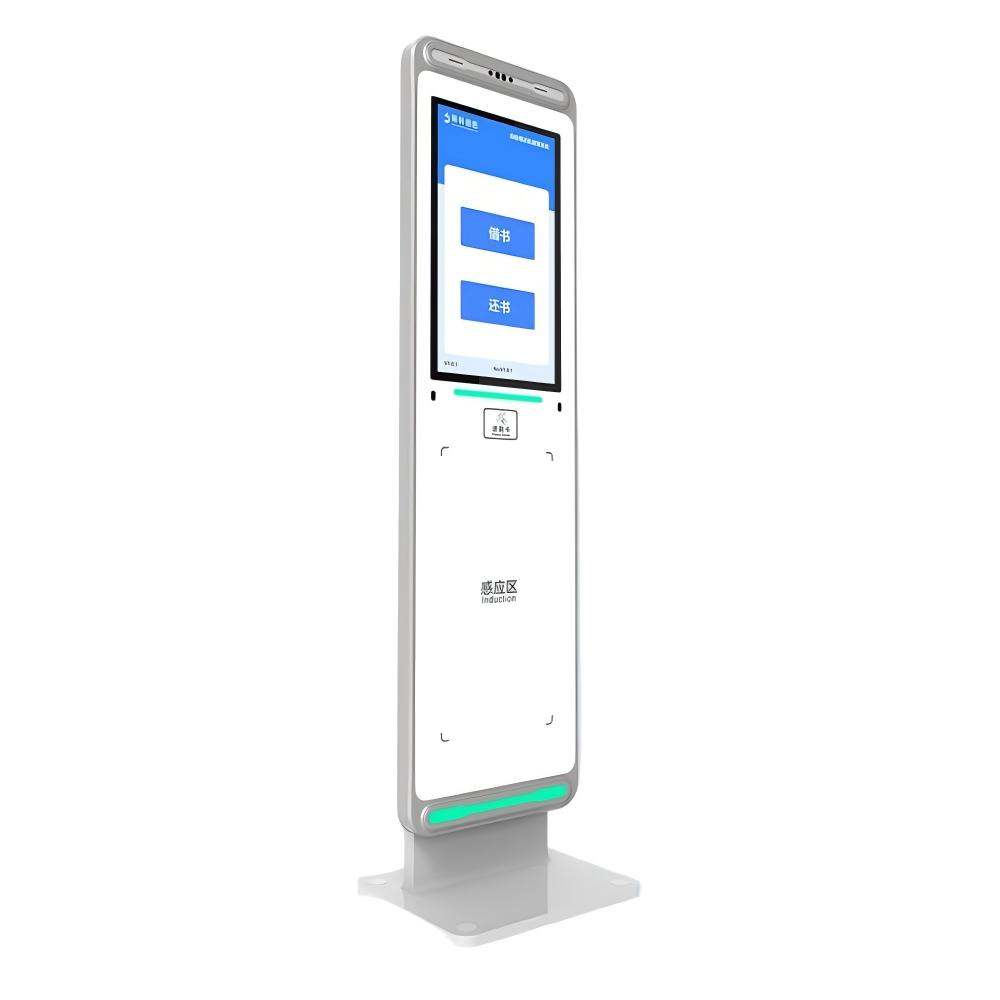
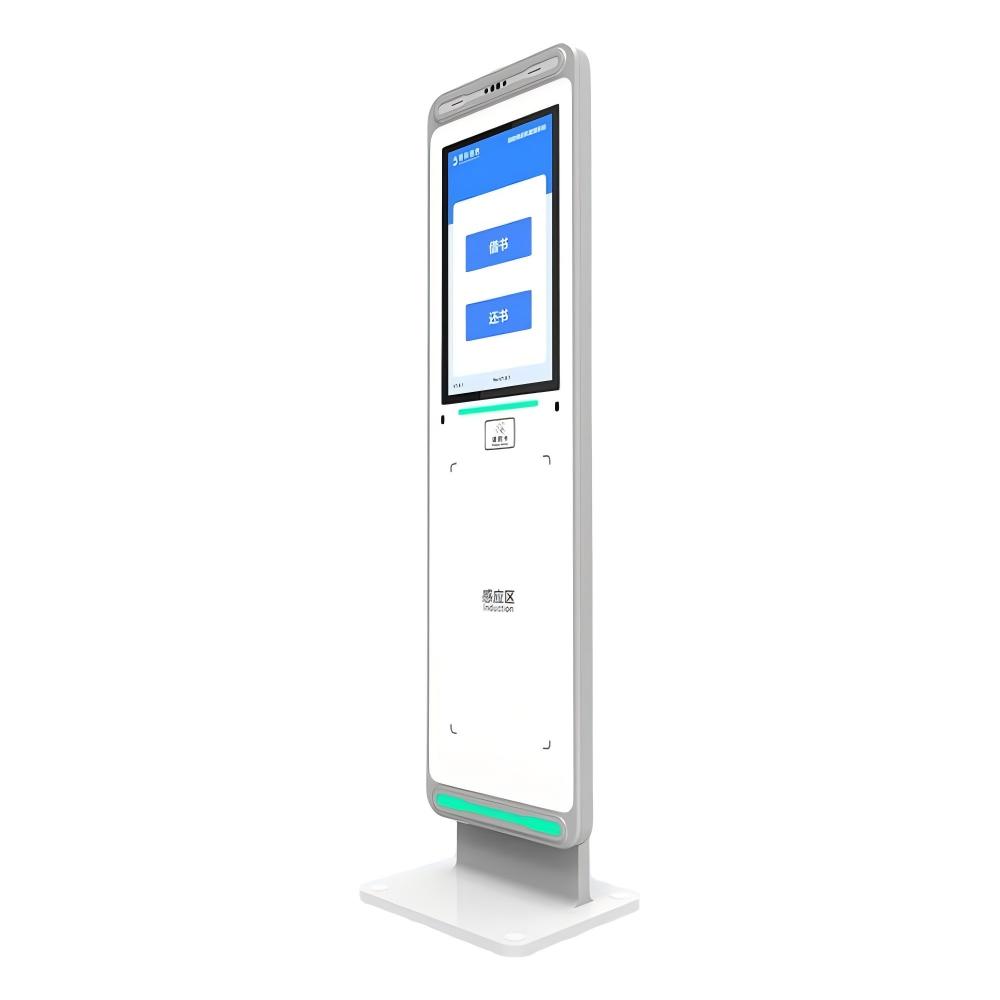
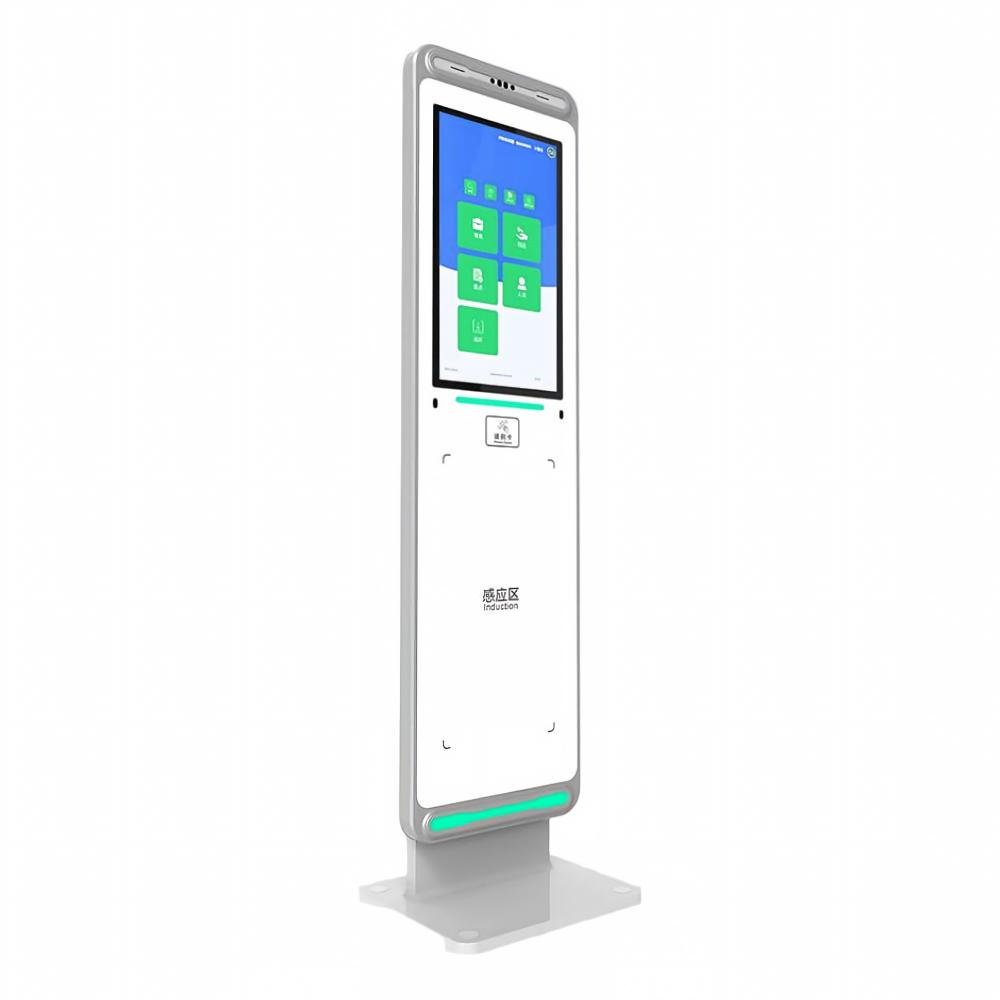
محطة عمل ذاتية الخدمة لتحديد الهوية بتقنية UHF RFID مزودة بشاشة لمس مقاس 21.5 بوصة





تحديد هوية الدفعات باستخدام تقنية RFID
تدعم محطة العمل تحديد هوية العناصر الموسومة بتقنية UHF RFID على دفعات. وتشير المواصفات الفنية إلى أنها قادرة على تحديد هوية 30 عنصرًا على الأقل في عملية واحدة.
منطقة قراءة خاضعة للرقابة
يحد تصميم الهوائي المخصص من قراءات العلامات غير المقصودة إلى مسافة 80 سم تقريبًا.
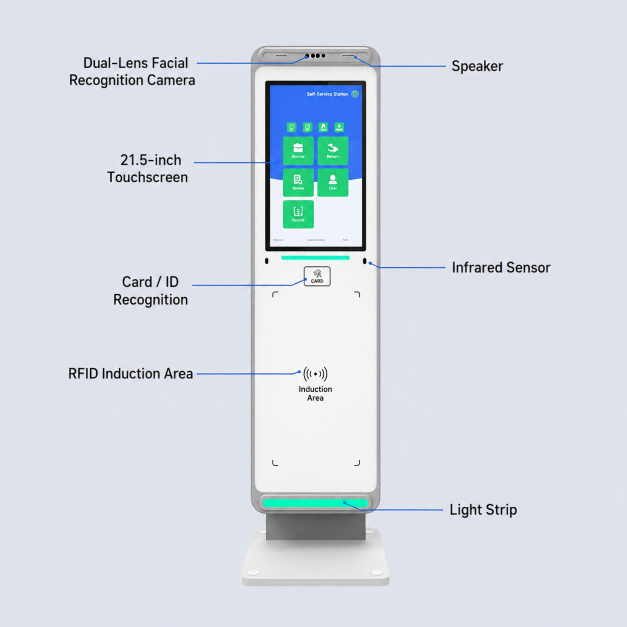
شاشة لمس مقاس 21.5 بوصة
يشتمل الجهاز على شاشة لمس سعوية مقاس 21.5 بوصة لتفاعل المستخدم.
الاستعارة والإرجاع بالخدمة الذاتية
تدعم محطة العمل استعارة العناصر، ومعالجة عمليات الإرجاع، وإدارة الحالة، وسجلات العمليات ذات الصلة.
طرق متعددة للتحقق من المستخدم
تم إدراج التعرف على الوجه والتحقق من البطاقة كوظائف قياسية، بينما يعد الواي فاي اختياريًا.
اتصال إيثرنت
تستخدم محطة العمل واجهة إيثرنت للاتصال بالنظام ونقل البيانات.
تتضمن محطة العمل هذه، المزودة بتقنية UHF RFID للخدمة الذاتية، وظائف متعددة تشمل تحديد الهوية عبر تقنية RFID، ومسح الرموز الشريطية، والاستعارة والإرجاع الذاتي، وتسجيل المنتجات، والبحث عنها، وتسجيل البيانات في الوقت الفعلي، والتنبيهات في حال وجود أي خلل. وهي مزودة بشاشة لمس سعوية مقاس 21.5 بوصة، وتدعم نظام التشغيل ويندوز، مع توفر نظام أندرويد كخيار إضافي.
تستخدم محطة العمل تصميم هوائي مخصص للمجال القريب للتحكم في عمليات قراءة RFID غير المقصودة في نطاق 80 سم. وهي تدعم اتصال Ethernet لنقل البيانات وتحديث المعلومات.
المنتج مدرج للاستخدام في المكتبات، والأرشيفات، وغرف مستلزمات المستشفيات، وغرف الأدوات، والمخازن غير المأهولة، وغرف الوثائق.
تقنية تحديد الهوية بموجات الراديو فائقة التردد (UHF RFID)
التحقق من المستخدم
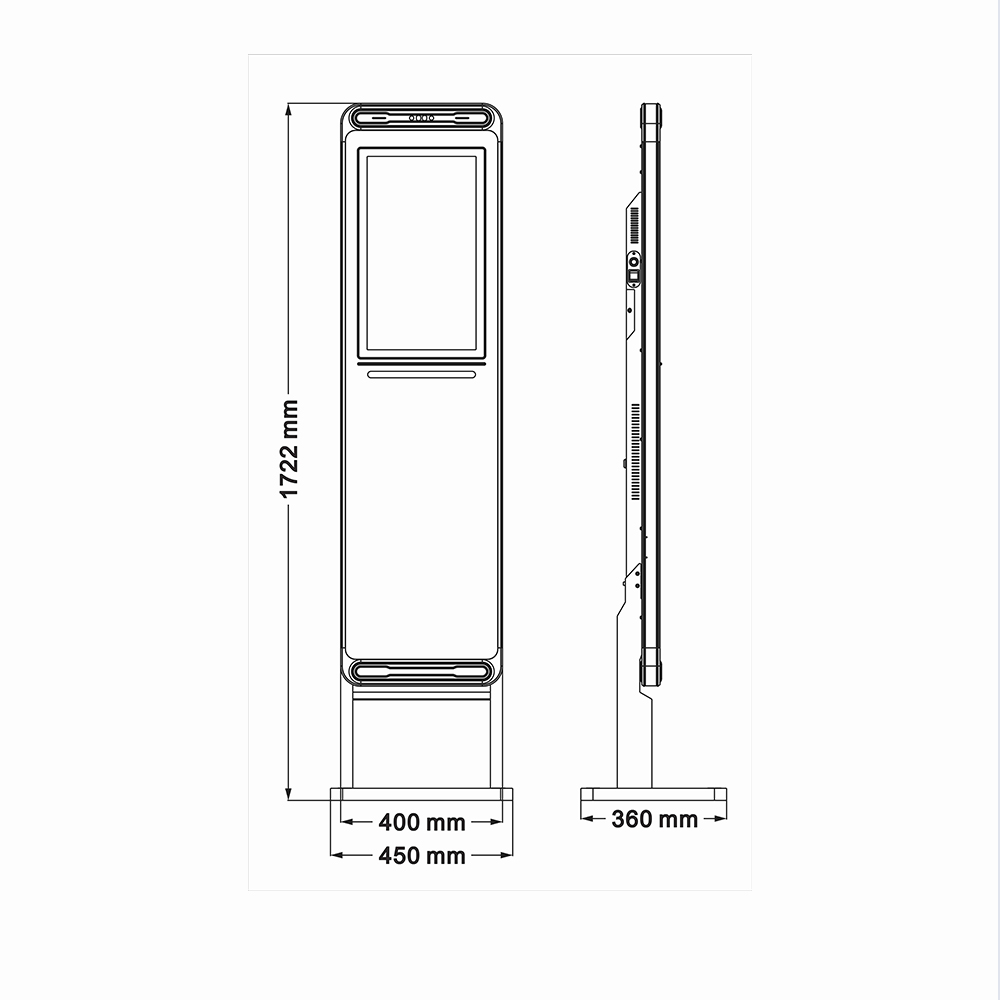
المواصفات الفيزيائية
الطاقة والبيئة
ما هي محطة عمل تعريف الهوية بتقنية UHF RFID ذاتية الخدمة؟
إنها محطة عمل RFID قائمة تستخدم لتحديد العناصر على دفعات، والاستعارة والإرجاع ذاتيًا، والبحث عن العناصر، والسجلات، وإدارة الحالة.
كم عدد العناصر الموسومة التي يمكنه التعرف عليها في وقت واحد؟
تنص المواصفات الفنية على كمية تعريف لا تقل عن 30 عنصرًا. ويذكر قسم آخر من الصفحة أكثر من 50 عنصرًا، لذا ينبغي التأكد من الكمية النهائية المنشورة.
ما هو تردد وبروتوكول RFID الذي يدعمه؟
يعمل بتردد 840-960 ميجاهرتز ويدعم معيار ISO 18000-6C / EPC Class 1 Gen 2.
ما هي أنظمة التشغيل المتاحة؟
نظام التشغيل ويندوز هو النظام القياسي، ونظام أندرويد متاح كخيار إضافي.
ما هي طرق التحقق من المستخدم المدعومة؟
تم إدراج التعرف على الوجه والتحقق من البطاقة كوظائف قياسية.
هل يدعم تطوير البرمجيات؟
نعم. تعرض الصفحة قائمة بدعم واجهة برمجة التطبيقات (API)، ومجموعة تطوير البرامج (SDK)، ودعم تطوير Java وC#.
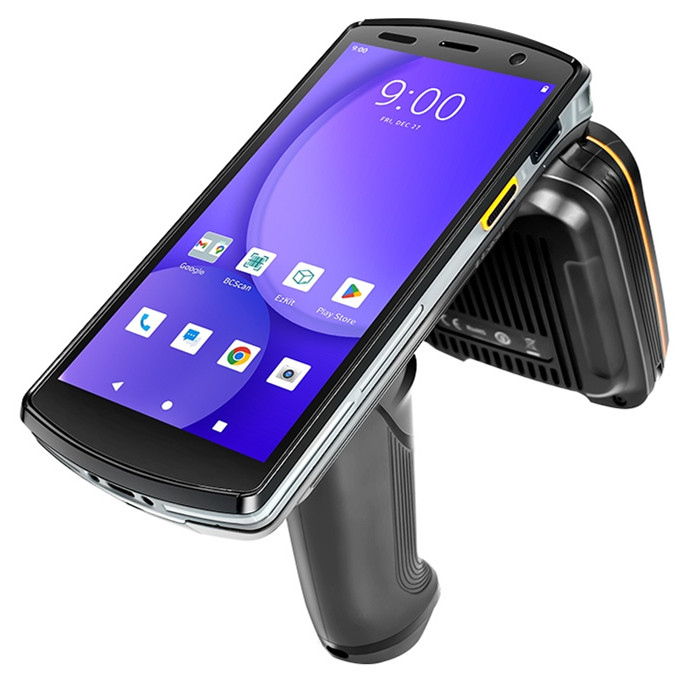
أداء متميز لتقنية RFID - فائق السرعة والدقة والسلاسة - توفر شريحة Impinj E710 المتكاملة الرائدة في الصناعة قراءة أسرع وأكثر سلاسة للعلامات بنسبة 10٪ مقارنة بمنتج الجيل السابق. - مادة سبيكة الألومنيوم والتيتانيوم قادرة على تبريد درجة الحرارة بسرعة عند ارتفاعها، مما يضمن أن يكون الجهاز أسرع من أي وقت مضى!
اقرأ أكثر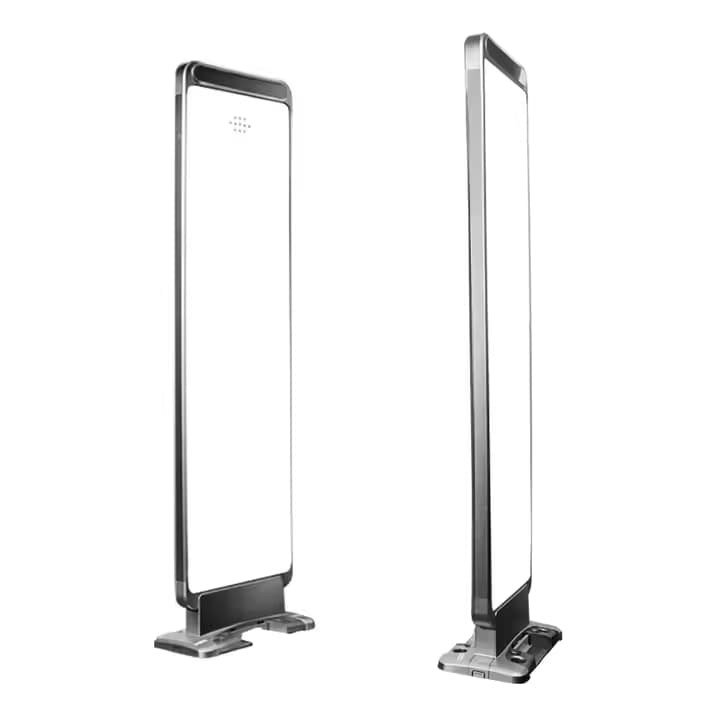
يتيح باب الأمان المضاد للسرقة FYJ F2102 RFID منع السرقة بشكل آلي لمحلات البيع بالتجزئة، ويتميز بالكشف عن اتجاه الأشعة تحت الحمراء في الوقت الحقيقي، وقواعد تصفية إنذار EAS، ومسح علامات RFID المجمعة لتأمين المخارج ذات الحركة المرورية العالية بسلاسة.
اقرأ أكثر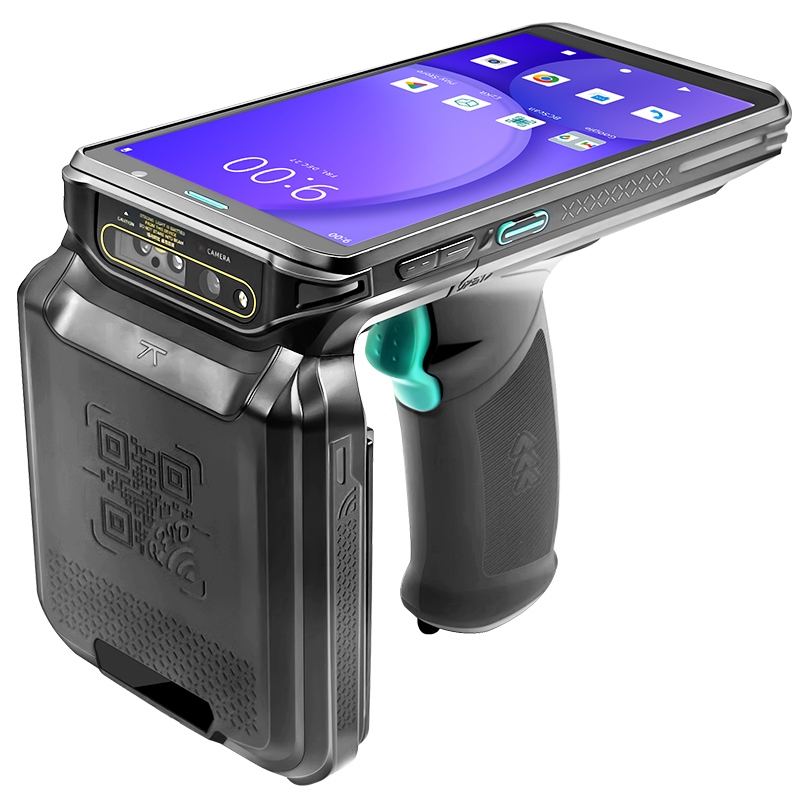
يوفر قارئ UHF RFID الصناعي المتين FYJ F9826R المحمول نطاق قراءة استثنائي يبلغ 15 مترًا والتقاط سريع لـ 1300 علامة / ثانية، مدعومًا ببطارية قابلة للتبديل السريع بقوة 10000 مللي أمبير في الساعة لتتبع المخزون والأصول طوال اليوم.
اقرأ أكثر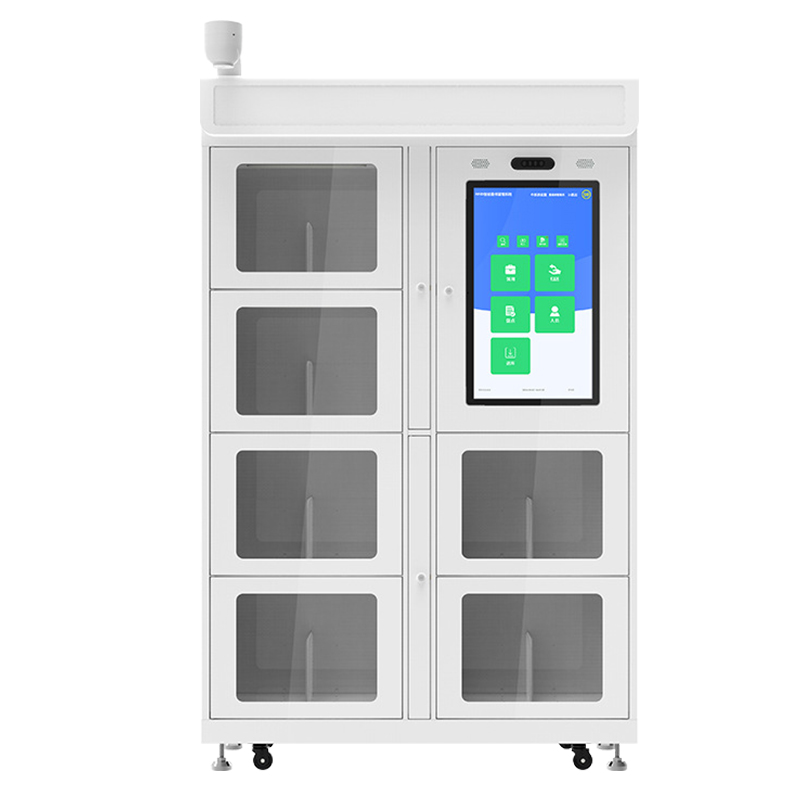
توفر خزانة الوثائق السرية F-R710 المزودة بتقنية RFID أمانًا عسكريًا للأرشيفات الحكومية ووحدات التخزين المصنفة، وتتميز بتتبع فوري للأصول الحساسة عبر تقنية UHF RFID (840-960 ميجاهرتز) وتحكم آلي في الوصول مع سجلات جاهزة للتدقيق. يضمن تصميمها المعتمد من UL، وتنبيهاتها المقاومة للتلاعب، ودقتها على مستوى المقصورة، مسؤولية تامة عن الوثائق المهمة، ومفاتيح الطوارئ، وسجلات المواد الخطرة، مع الالتزام بمعايير SARA III لسهولة وصول المستجيبين الأوائل.
اقرأ أكثر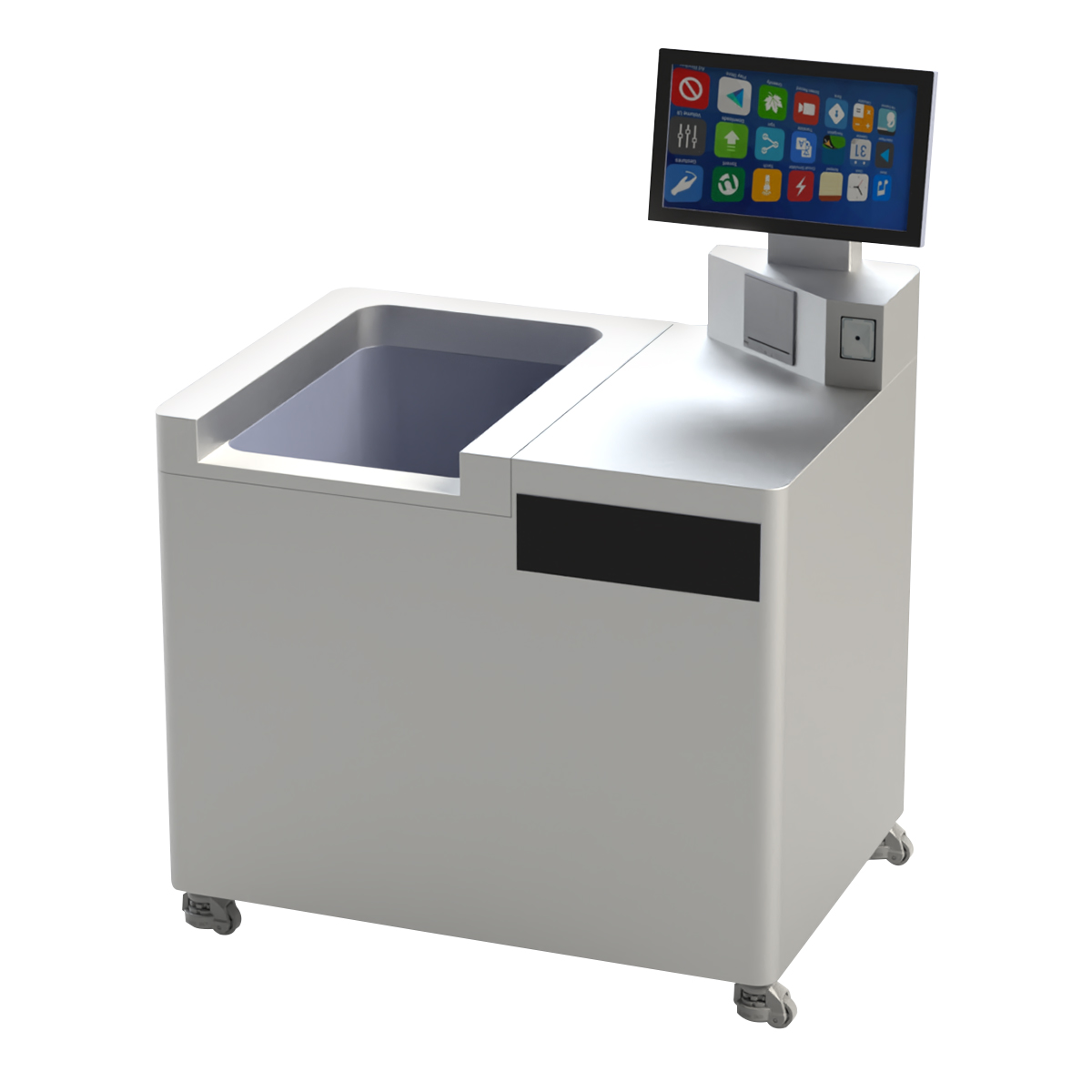
يُستخدم هذا الجهاز بشكل رئيسي في تجارة التجزئة الذكية وغيرها من الحالات لتسوية مدفوعات المنتجات المزودة بعلامات RFID. عند وضع المنتجات المزودة بعلامات RFID في سلة التعرف الذكي، تعرض شاشة الدفع اسم المنتج والكمية والسعر ومعلومات الدفع. يمكن للعملاء إتمام عملية الدفع دفعةً واحدة لجميع المشتريات.مميزات المنتج:1.يدعم المسح الضوئي المتزامن لـ ≥ 20 عنصرًا، مما يحسن كفاءة الدفع بشكل كبير.2.الاتصال الخارجي بالكمبيوتر الشخصي/الكمبيوتر الصناعي.3.يتطلب الاتصال بجهاز كمبيوتر أو كمبيوتر شخصي صناعي عبر Ethernet (RJ45) / المنفذ التسلسلي (RS232) لتبادل البيانات.
اقرأ أكثر
صُمم هذا الجهاز بشكل أساسي لسيناريوهات البيع بالتجزئة الذكية، مما يتيح إتمام عملية الدفع تلقائيًا للمنتجات المزوّدة ببطاقات RFID. عند وضع المنتجات المزوّدة ببطاقات RFID داخل سلة التعرّف الذكي، تعرض شاشة الكمبيوتر المتصلة اسم المنتج والكمية والسعر وتفاصيل الدفع فورًا، مما يسمح للعملاء بمعالجة مشترياتهم دفعةً واحدة.
اقرأ أكثر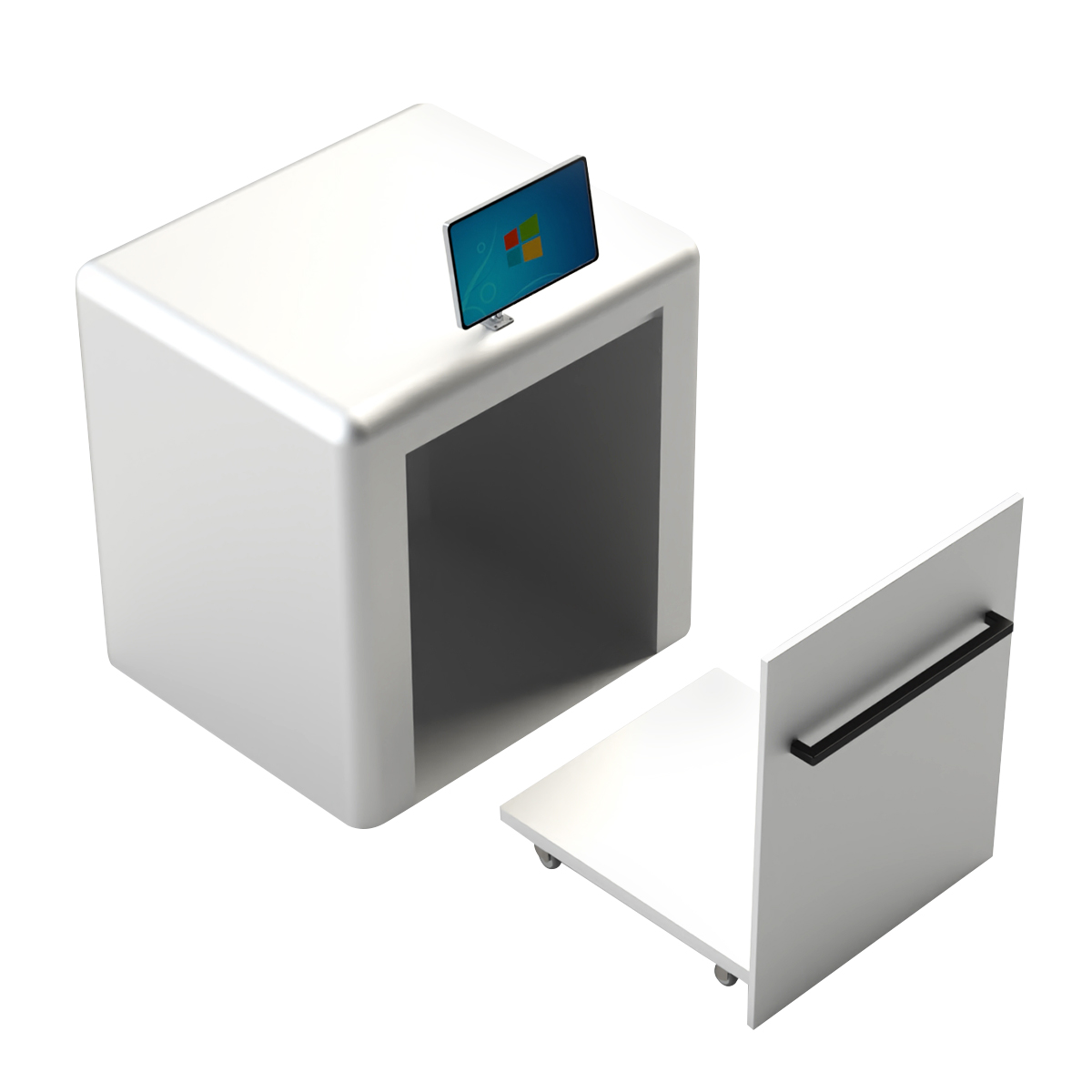
سمات:1. محطة إدارة المخزون بالجملة لتخزين الملابس2. شاشة لمس تفاعلية عالية الدقة مقاس 21 بوصة مع دعم نقل البيانات عبر إيثرنت3. تصميم مريح متعدد الاستخدامات مع واجهة سهلة الاستخدام لسهولة التشغيل4. تتيح تقنية UHF RFID عالية الأداء مسحًا متعدد العلامات (أكثر من 300 عنصر لكل قراءة)، مما يعزز سرعة الدفع
اقرأ أكثر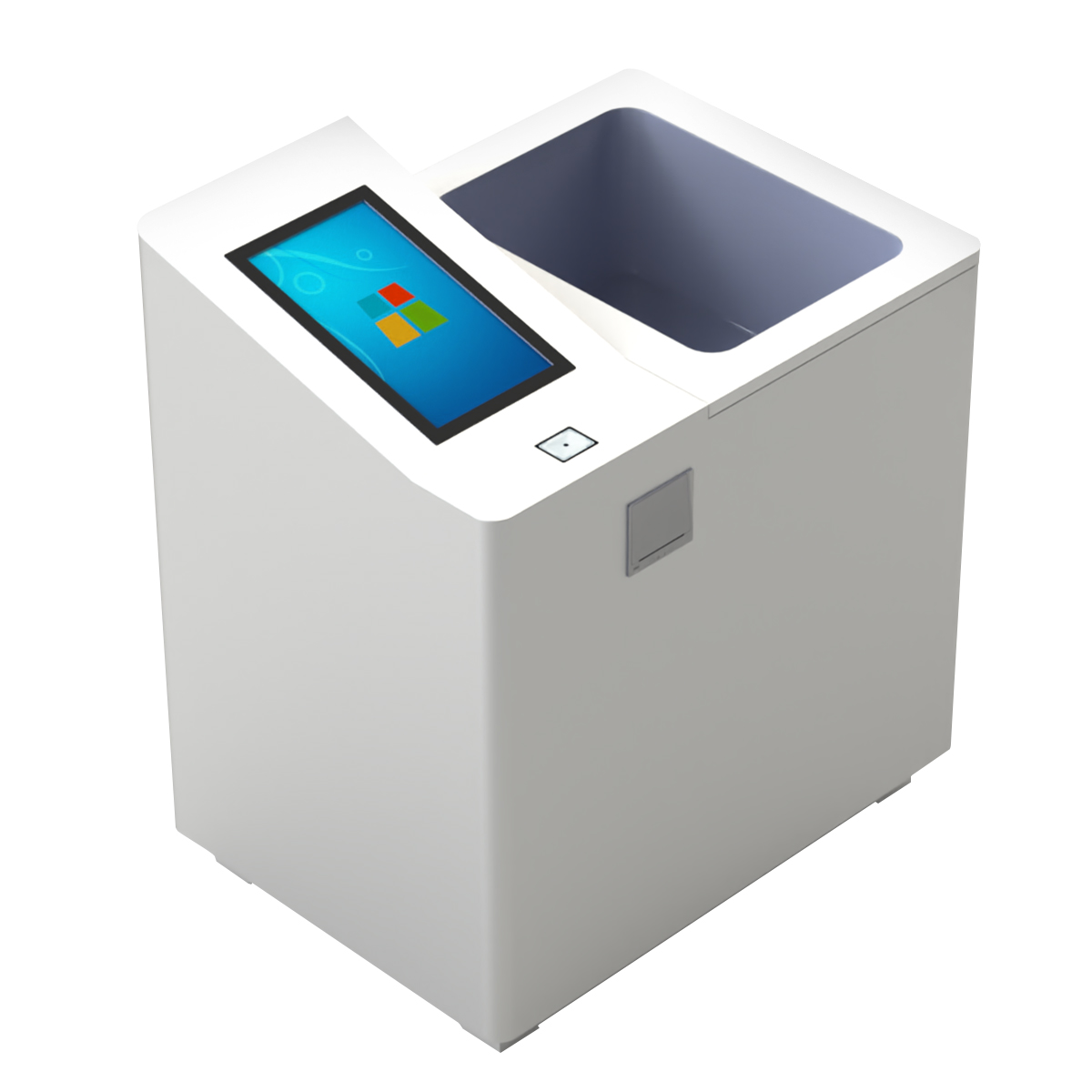
يُستخدم هذا الجهاز بشكل رئيسي في متاجر التجزئة الذكية وغيرها من السيناريوهات لتسوية مدفوعات المنتجات المزوّدة ببطاقات RFID. عند وضع المنتجات المزوّدة ببطاقات RFID في سلة التعرّف الذكي، تعرض شاشة حاسوب الدفع اسم المنتج والكمية والسعر ومعلومات الدفع. يمكن للعملاء إتمام عملية الدفع على دفعات لجميع المشتريات. ميزات المنتج: 1. يدعم المسح الضوئي المتزامن لأكثر من 20 منتجًا، مما يُحسّن كفاءة الدفع بشكل ملحوظ. 2. اتصال خارجي بين جهاز كمبيوتر/حاسوب صناعي. 3. يتطلب الاتصال بجهاز كمبيوتر أو حاسوب صناعي عبر منفذ إيثرنت (RJ45) أو منفذ تسلسلي (RS232) لتبادل البيانات.
اقرأ أكثر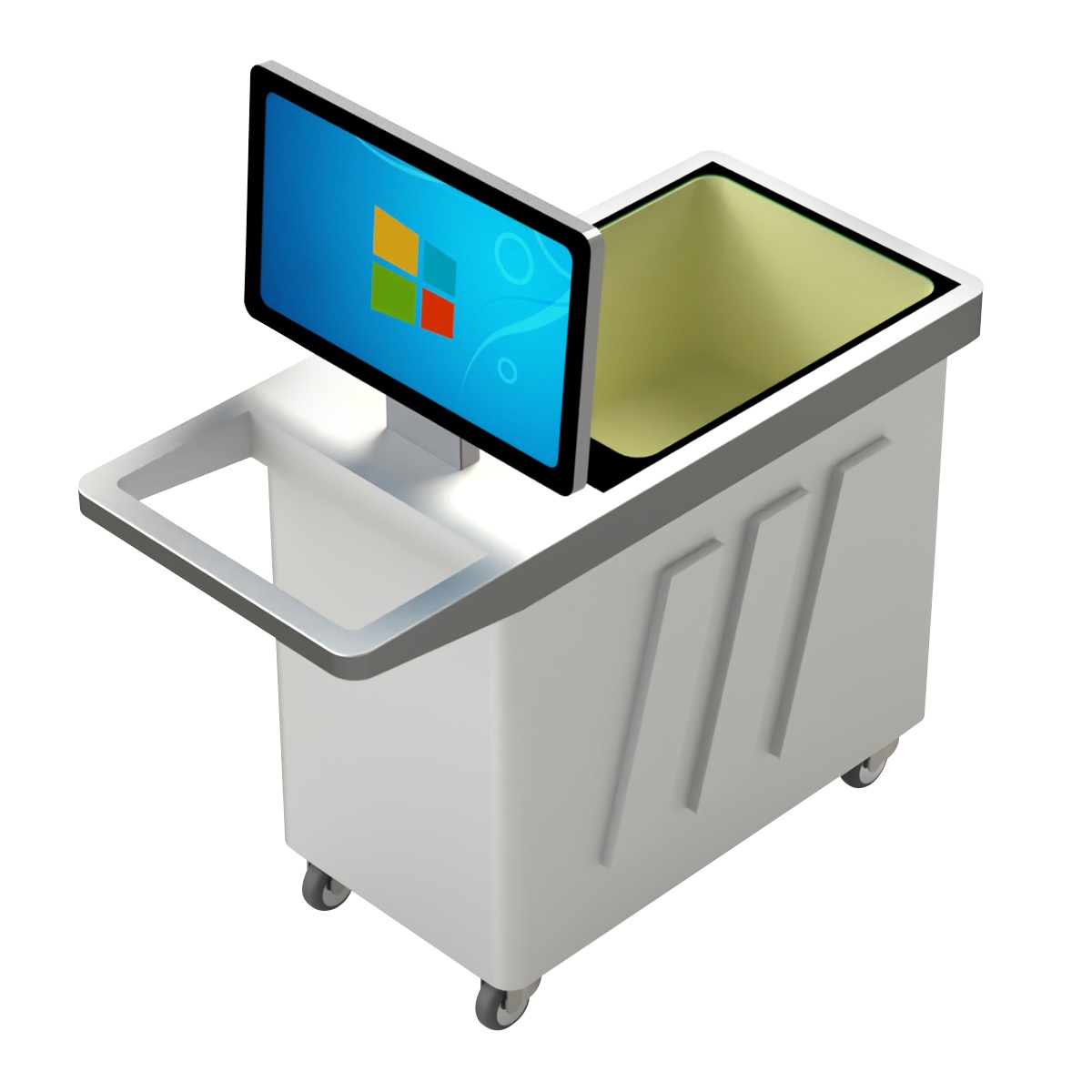
عربة FYJ-TC-1 المتنقلة الذكية هي محطة عمل ذكية متوافقة مع معايير بروتوكول GB/T 29768-2013 / EPC الفئة 1 الجيل الثاني (ISO 18000-6C). مزودة بتقنية التعريف الذكي RFID، تتيح إمكانية الاستعارة والإرجاع الذاتي عبر الهاتف المحمول.يمكن استخدام هذا المنتج في بيئات داخلية أو مساحات مفتوحة شبه خارجية آمنة، مما يدعم إدارة المخزون وتتبع المنتجات وغيرها من العمليات. يتميز الجهاز بأداء مستقر وواجهة سهلة الاستخدام وفعّالة بين الإنسان والآلة.
اقرأ أكثر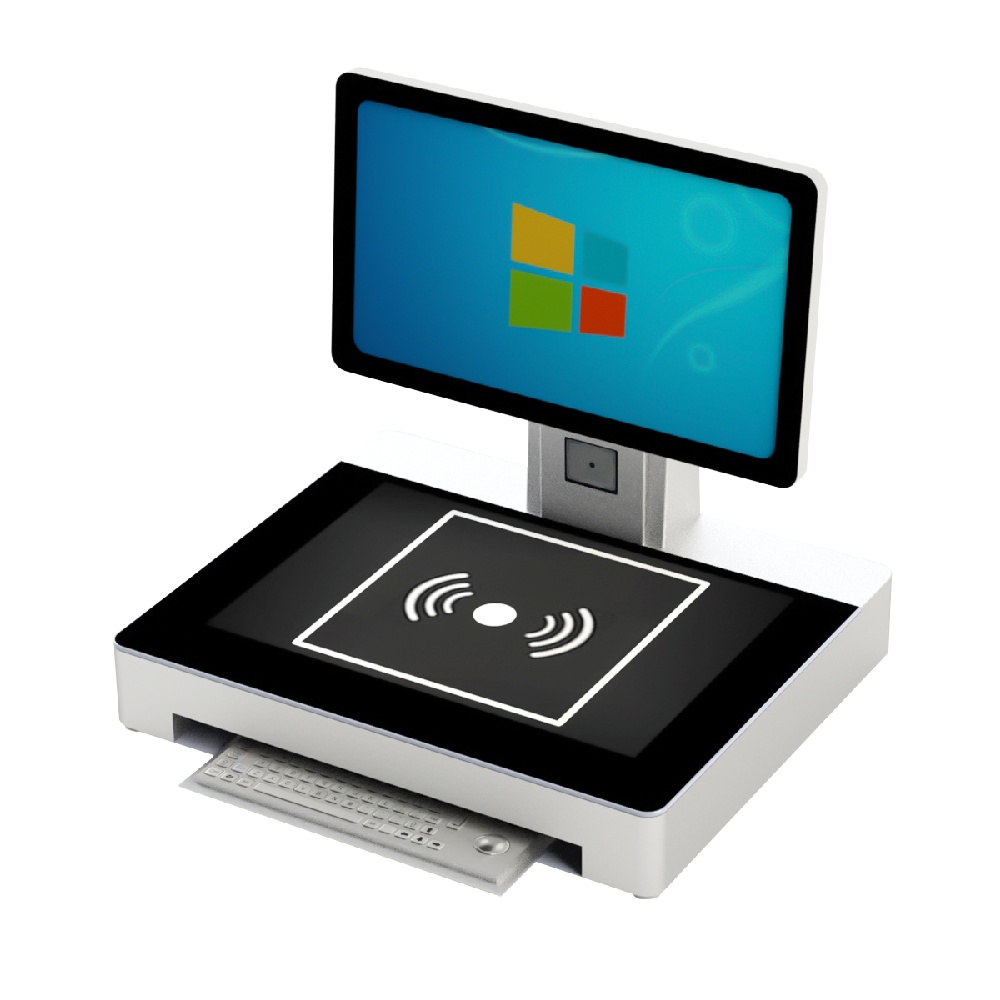
صُممت محطة عمل سطح المكتب FYJ-DR-A لمسؤولي المستودعات لإجراء تسجيل الأصناف، وتحويل بطاقات RFID، وغيرها من العمليات. يضم الجهاز شاشة لمس سعوية مقاس 21.5 بوصة، ومنطقة للتعرف على بطاقات RFID، ومنطقة لمسح الباركود، مما يتيح تشغيلًا متكاملًا سلسًا وفعالًا. كما يدعم وحدات اختيارية مثل تمرير بطاقات الدخول عالية التردد والتعرف على الوجه، والتي يمكن تهيئتها وفقًا للاحتياجات العملية.المميزات الرئيسية:1.محول علامة RFID لسطح المكتب: تصميم أنيق وبسيط مع تكوينات متعددة الاستخدامات.2.تسجيل دخول/خروج العناصر تلقائيًا: يسهل إدخال البيانات ويزيل الاحتفاظ بالسجلات يدويًا من قبل المسؤولين.3.المصادقة متعددة الأوضاع: تسجيل معلومات المشغل بدقة وربطها بملفات تعريف فردية من أجل إمكانية التتبع.
اقرأ أكثر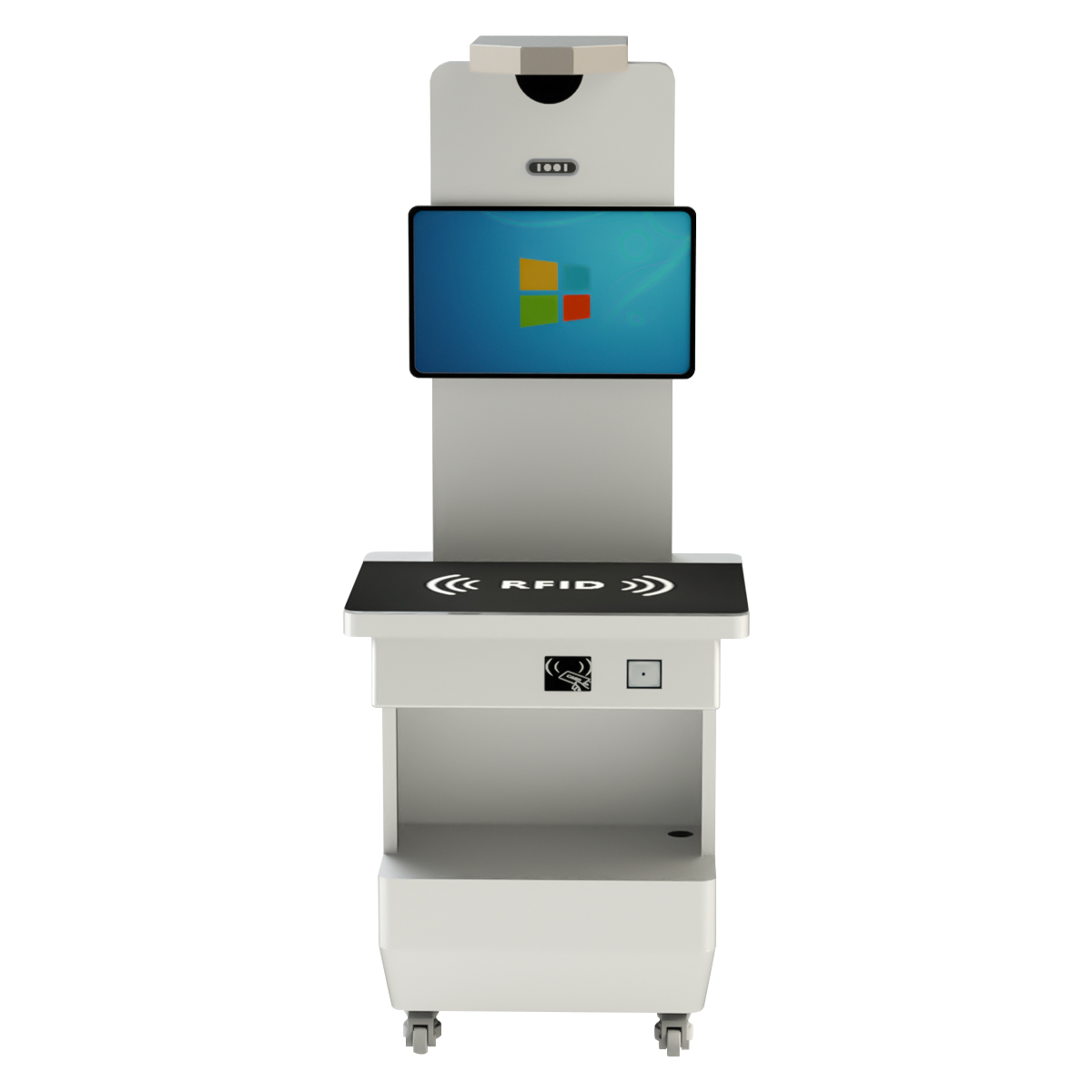
الميزات الرئيسية:1. تصميم قوي: مناسب للبيئات الداخلية والخارجية شبه الآمنة (على سبيل المثال، القاعات المغطاة، والمناطق التي يتم التحكم في الوصول إليها). 2. هوائي عالي الدقة: مزود بهوائي مخصص عالي الكسب وضيق الحزمة للكشف الدقيق عن العناصر وتقليل القراءات الخاطئة. 3. إدارة المخزون الذكية: الاقتراض التلقائي وإرجاع العناصر المميزة. تتبع العناصر في الوقت الفعلي ووظيفة البحث الفوري. تنبيهات للأحداث غير الطبيعية (على سبيل المثال، الإزالة غير المسجلة، العناصر المفقودة). 4. مستقر وسهل الاستخدام: تشغيل موثوق به على مدار الساعة طوال أيام الأسبوع مع صيانة منخفضة. واجهة سهلة الاستخدام بين الإنسان والآلة (HMI) للتفاعلات السريعة. التطبيقات:1.المكتبات، غرف المعدات، أنظمة إقراض الأدوات. 2. مراقبة أصول المستودعات وإدارة مخزون التجزئة. 3. الخزائن الذكية، تتبع الأجهزة الطبية
اقرأ أكثر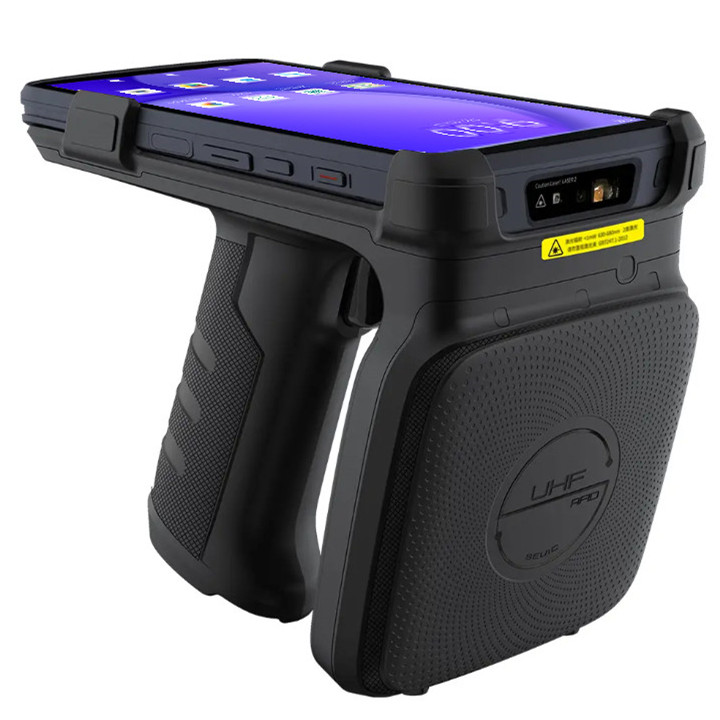
يمثل جهاز F9835U نقلة نوعية في تقنية قارئات UHF RFID، إذ يقدم تحسينات جوهرية مقارنةً بالنماذج السابقة. فهو قادر على تحديد ما يصل إلى 1300 علامة في الثانية، ويتيح الانتقال السلس بين أوضاع القراءة بضغطة واحدة. يتوافق هذا القارئ مع مجموعة واسعة من العلامات المتخصصة، ويتضمن خوارزمية متطورة قابلة للتخصيص لاكتشاف العناصر بدقة وفقًا لاحتياجات المستخدم. وبفضل معالج ثماني النواة واتصال Wi-Fi 6، يضمن أداءً موثوقًا حتى في بيئات العمل الصعبة والمزدحمة. كما يدعم الجهاز، بفضل نظام بطاريته المزدوجة عالية السعة (11700 مللي أمبير)، الاستخدام المتواصل لفترات طويلة، بينما يتحمل تصميمه المتين السقوط من ارتفاع يصل إلى مترين على الأسطح الخرسانية. كل هذه الابتكارات تجعل من F9835U حلاً ثوريًا في مجال تقنية RFID.
اقرأ أكثر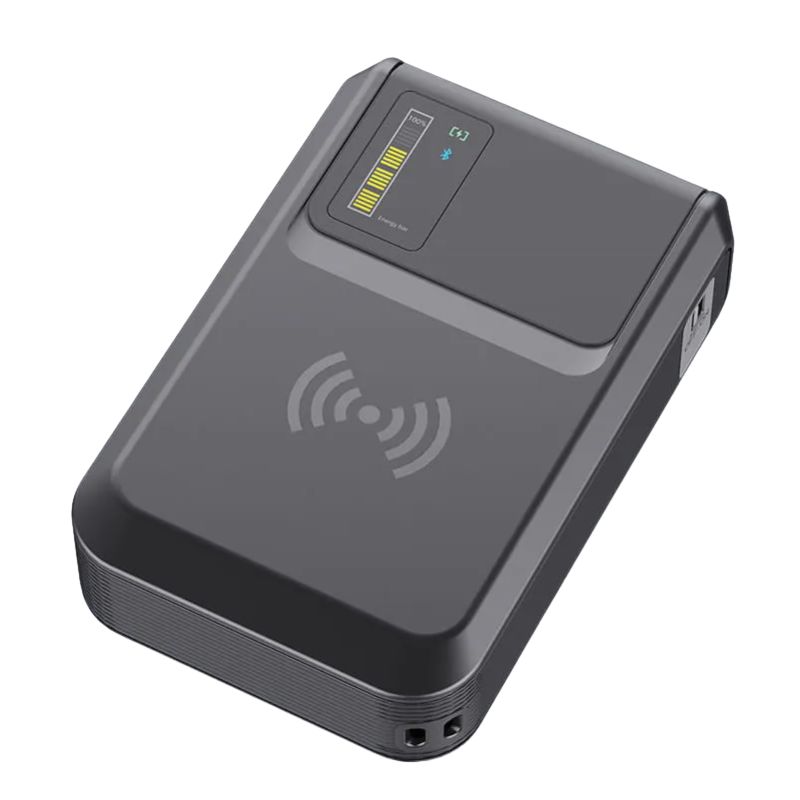
قارئ F-R10 صغير الحجم بتقنية UHF RFID، يتصل بأجهزة iPhone عبر تقنية Bluetooth 5.2، ويعمل أيضًا كشاحن بسعة 10000 مللي أمبير. يقرأ العلامات من مسافة تصل إلى 8 أمتار، مما يجعله مثاليًا لعمليات فحص متاجر التجزئة، ومراجعة المستودعات، والتصنيع، وكل ذلك يتم التحكم به عبر تطبيقات iOS. مثالي للفرق التي تحتاج إلى تتبع المخزون عبر الأجهزة المحمولة والمتوافقة مع iPhone.أبرز النقاط:1. بنك طاقة بسعة 10000 مللي أمبير، يعمل لمدة 18 ساعة متواصلة مع نظام iOS2. تصميم متكامل مع iPhone مع منفذ Lightning/USB-C للتوصيل3. دعم بروتوكولات متعددة: ISO 18000-6C/6B + Apple Core NFC4. تقنية تحديد الهوية بموجات الراديو (RFID) على مستوى المؤسسات لتتبع الأصول الفوري
اقرأ أكثر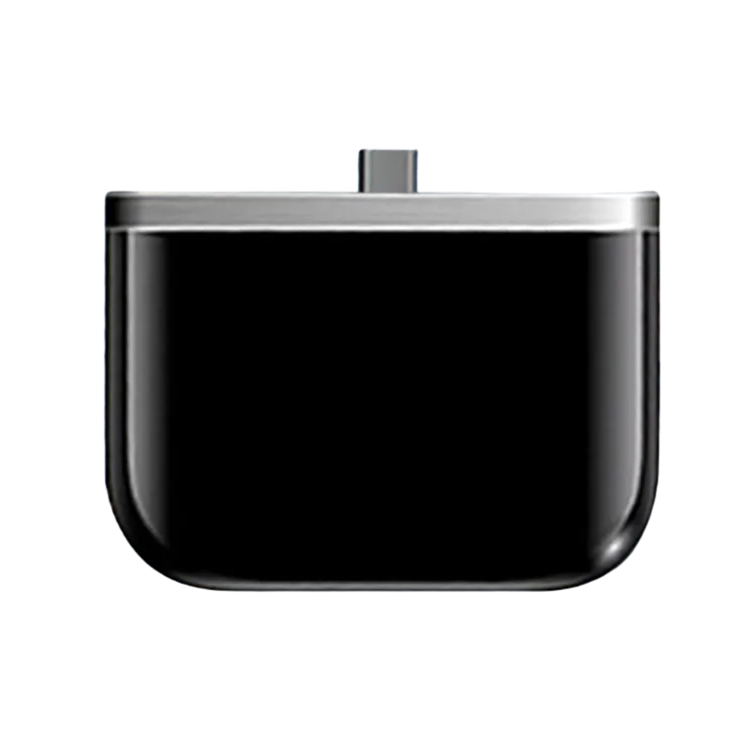
يُعيد قارئ F-B4L فائق الصغر بتقنية UHF RFID تعريف عمليات RFID المتنقلة بتصميمه المتوافق مع الهواتف الذكية. يعمل هذا الجهاز بحجم كف اليد عبر منفذ USB Type-C ويزن 37 غرامًا فقط، ويُوفر كشفًا فوريًا للعلامات ضمن نطاق 30 سم، مما يجعله مثاليًا لمكافحة التزييف، وفحص المخزون، وإدارة سير العمل. يتكامل ملحقه المغناطيسي بسلاسة مع الأجهزة المحمولة، بينما تضمن حزم تطوير البرامج (SDKs) سهلة الاستخدام (C#/Java) تكاملًا سلسًا مع النظام. أبرز النقاط: تصميم خفيف الوزن للغاية بوزن 1.37 غرام، سهل الحمل. يتصل مباشرة بالهواتف الذكية.2. تطبيق مخصص يتيح التعرف السريع على علامات RFID والعناصر.3. تصميم هوائي المجال القريب يحد من نطاق القراءة إلى ≤30 سم ونطاق الكتابة إلى ≤10 سم.4. يوفر موارد تطوير للغة C# ولغة Java.5. منفذ USB من النوع C لتوفير الطاقة والاتصال.
اقرأ أكثر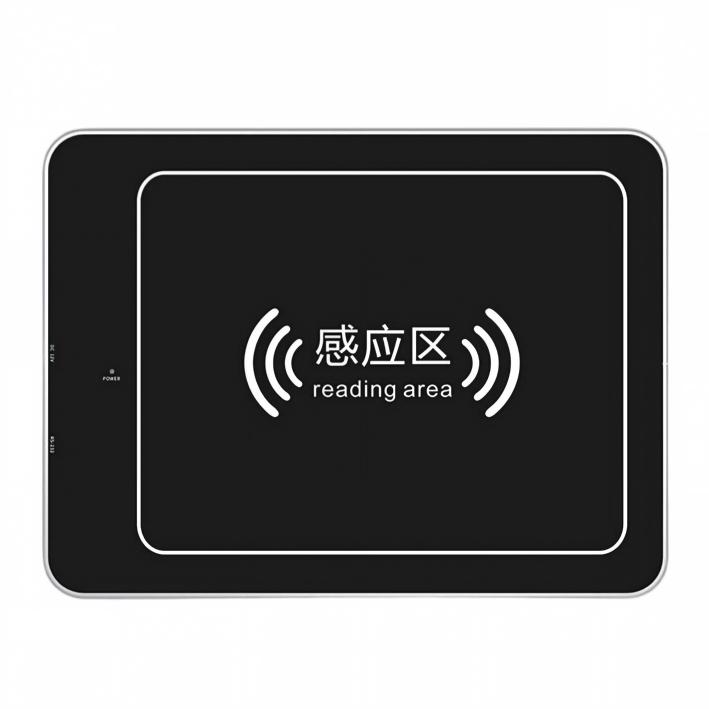
الميزات الرئيسية التكامل متعدد الوظائفيدعم التصميم المتكامل عمليات الإعارة والإرجاع والتسجيل والبحث عن المعلومات والإحصاءات والاستعلامات عن السجلات ووظائف إدارة RFID الأخرى.قراءة وكتابة سريعة بتقنية RFIDيستخدم الجهاز خوارزمية معالجة الإشارات لدعم قراءة وكتابة علامات RFID بسرعة.قراءة العلامات الكثيفةيدعم قراءة علامات RFID الكثيفة وتحديد العلامات المتعددة.تحويل علامات RFIDيدعم الجهاز تحويل علامات RFID لتلبية متطلبات إدارة العلامات المختلفة.تصفية البيانات واكتشاف قوة الإشارة المستقبلة (RSSI)يدعم هذا الجهاز تصفية بيانات علامات RFID واكتشاف قوة إشارة RSSI.إحصائيات واستعلامات السجلاتيمكن للجهاز توليد إحصائيات الاستعارة والإرجاع والتسجيل، كما يوفر استعلامات سجل العمليات.تكامل الأنظمةيدعم التصميم المعياري التكامل مع أنظمة الإدارة الحالية من خلال واجهة USB وSDK.
اقرأ أكثر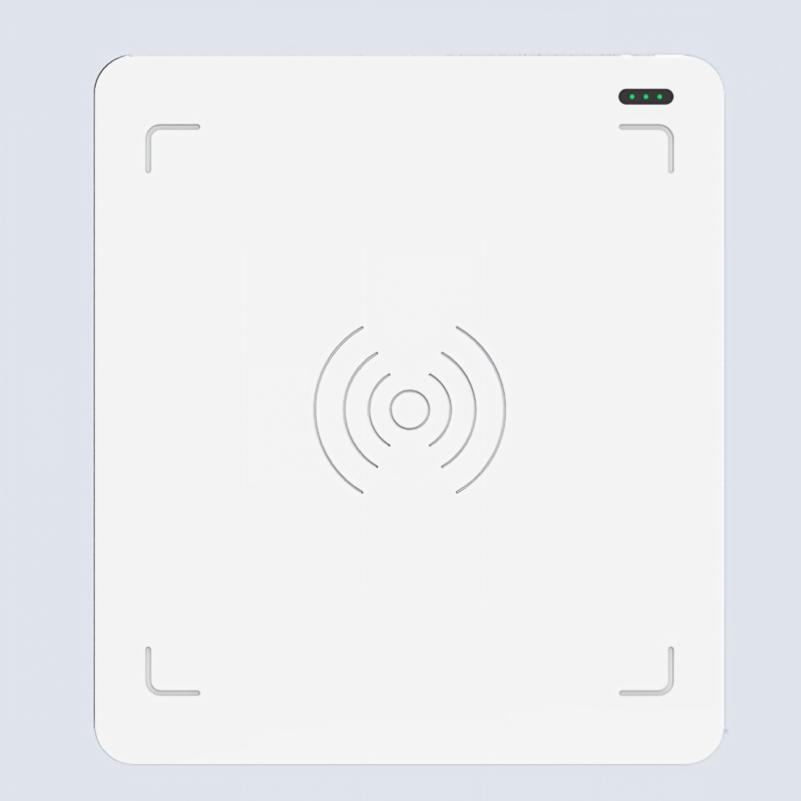
الميزات الرئيسية قراءة متعددة العلامات كثيفةيدعم جهاز القراءة قراءة العلامات الكثيفة ويمكنه تحديد علامات RFID المتعددة أثناء نفس العملية.معالجة سريعة للعلاماتتبلغ سرعة استجابة العلامات المعلنة 40 علامة على الأقل في الثانية.تصميم هوائي المجال القريبيساعد الهوائي المدمج للمجال القريب في التحكم في نطاق قراءة RFID وتقليل القراءات غير المقصودة من العلامات القريبة.خرج تردد لاسلكي قابل للتعديليمكن ضبط طاقة خرج الترددات اللاسلكية من 0 إلى 33 ديسيبل ميلي واط.نطاق كتابة مُتحكم بهيمكن تحديد مسافة الكتابة بتقنية RFID في حدود 10 سم.مؤشر قوة الإشارة المستلمة (RSSI) وتصفية البياناتيدعم الجهاز اكتشاف قوة إشارة RSSI وتصفية بيانات علامات RFID.وصلة من النوع Cيتم توفير واجهة من النوع C لتوصيل الجهاز ونقل البيانات.
اقرأ أكثر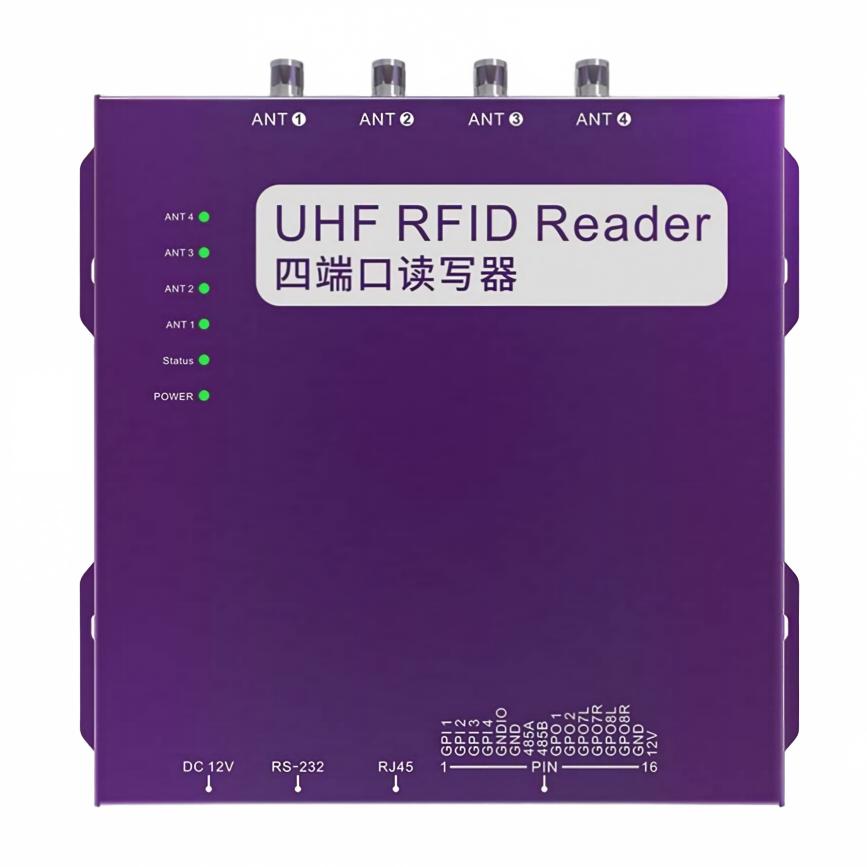
الميزات الرئيسية منافذ هوائي رباعيةيوفر جهاز القراءة أربعة منافذ هوائي أنثى من نوع TNC لتوصيل هوائيات RFID الخارجية.القراءة بعيدة المدىتم تحديد مسافة القراءة القابلة للتعديل على أنها 0-15 مترًا، وذلك اعتمادًا على طاقة الإخراج ونوع الهوائي ونوع علامة RFID وبيئة التطبيق.تحديد العلامات عالية السرعةتبلغ سرعة تحديد هوية علامات RFID المعلنة أكثر من 400 علامة في الثانية.قراءة العلامات الكثيفةيدعم الجهاز قراءة علامات RFID الكثيفة للبيئات التي تحتوي على علامات متعددة.الكشف عن الموجات المستقرة بواسطة الهوائييدعم قارئ البطاقات خاصية الكشف عن الموجات الموقوفة للهوائيات المتصلة بتقنية RFID.واجهات اتصال متعددةيوفر واجهات اتصال إيثرنت، وRS-232، وRS-485، وواي فاي، وويجاند.
اقرأ أكثر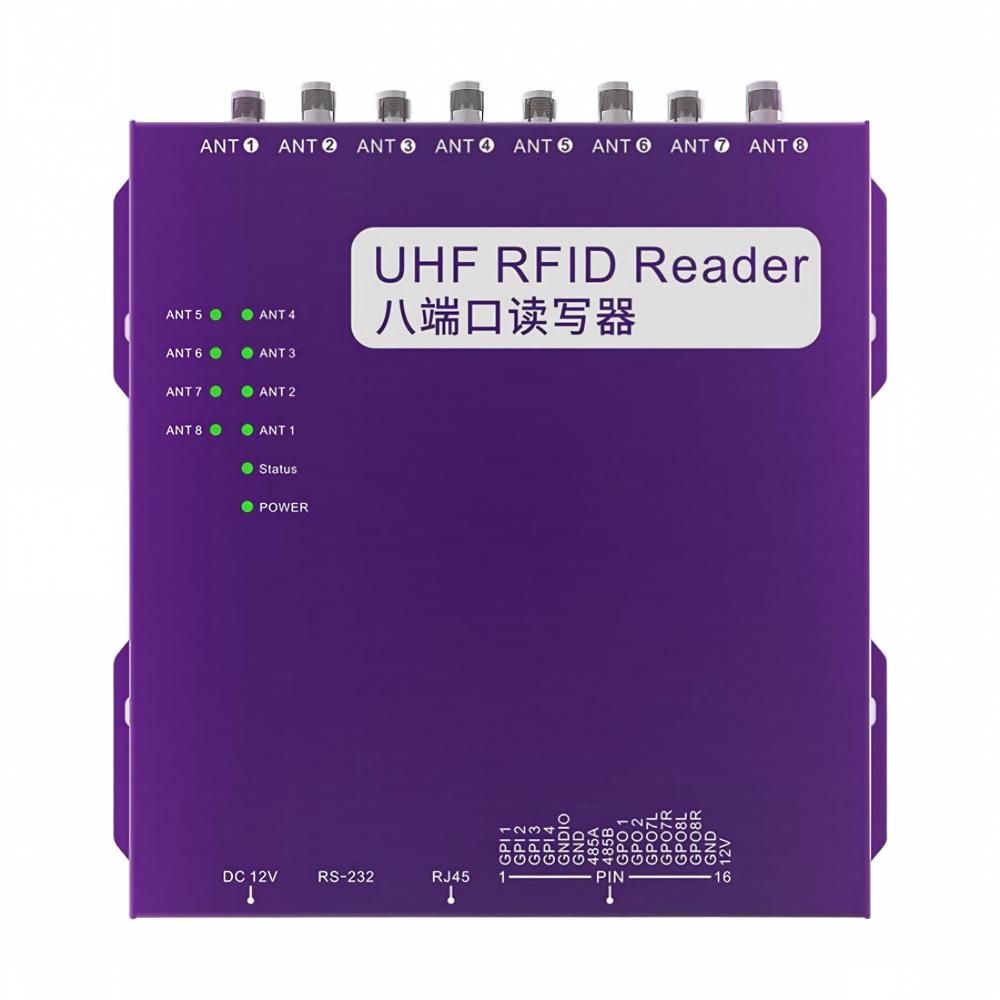
الميزات الرئيسية ثماني قنوات هوائيةيوفر جهاز القراءة ثمانية منافذ هوائي أنثى من نوع TNC لتوصيل هوائيات RFID الخارجية.تحديد العلامات عالية السرعةتبلغ سرعة تحديد هوية علامات RFID المعلنة أكثر من 400 علامة في الثانية.قراءة العلامات الكثيفةيدعم قراءة علامات RFID الكثيفة وتصفية بيانات العلامات في بيئات متعددة العلامات.قراءة قابلة للتعديل بعيدة المدىتنص مواصفات الأداء التفصيلية على مسافة قراءة قابلة للتعديل من 0 إلى 15 مترًا ومسافة كتابة من 0 إلى 8 أمتار.الكشف عن الموجات المستقرة بواسطة الهوائييدعم الجهاز خاصية الكشف عن الموجات المستقرة لهوائيات RFID المتصلة.واجهات اتصال متعددةوهو يدعم اتصالات الإيثرنت، وRS-232، وRS-485، والواي فاي.كشف قوة إشارة الاستقبال (RSSI)يمكن للقارئ اكتشاف قوة إشارة RFID من خلال RSSI.ترقية البرامج الثابتة عبر الإنترنتيتم دعم ترقيات البرامج الثابتة عبر الإنترنت.
اقرأ أكثر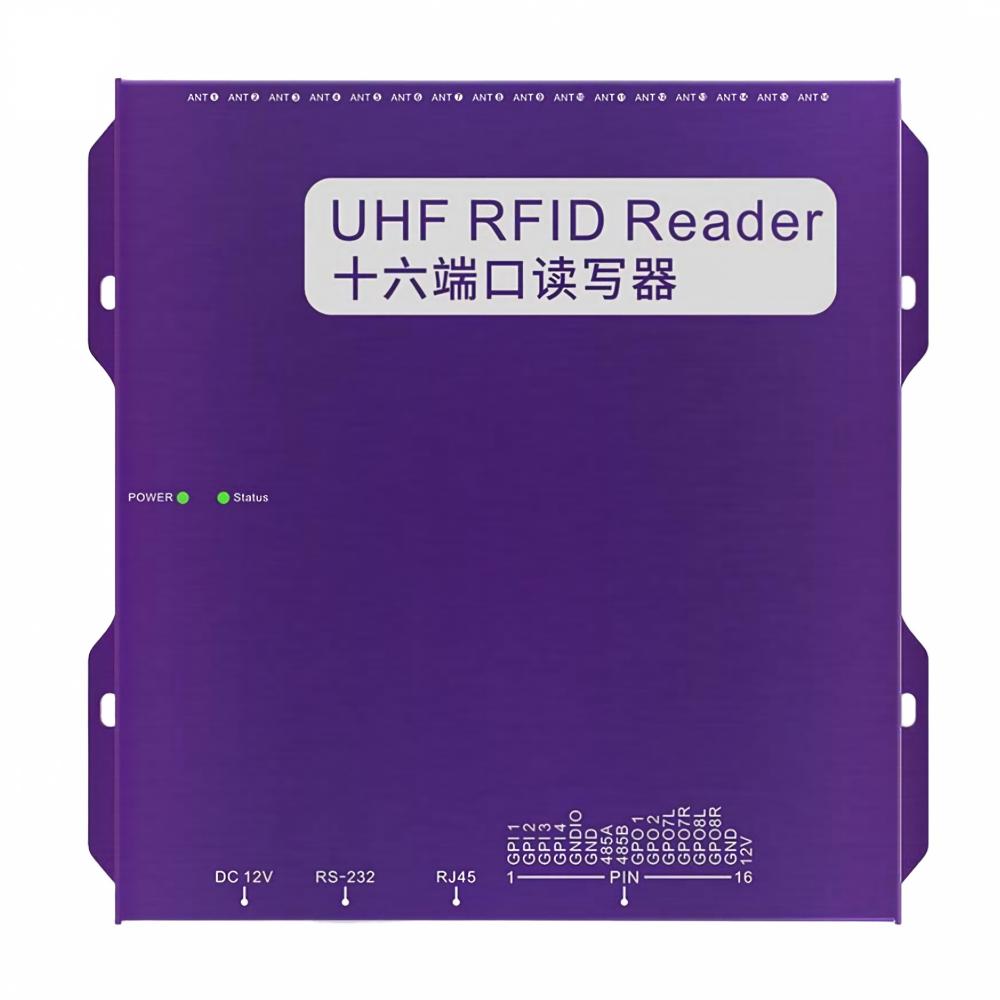
الميزات الرئيسية تحديد العلامات عالية السرعةيدعم قارئ بطاقات RFID سرعات تحديد تصل إلى أكثر من 400 بطاقة في الثانية.القراءة والكتابة على نطاق واسعتبلغ مسافة القراءة القابلة للتعديل المعلنة 0-15 مترًا، بينما تبلغ مسافة الكتابة 0-8 أمتار.قراءة العلامات الكثيفةيدعم الجهاز قراءة علامات RFID الكثيفة ومعالجة منع التصادم للعلامات المتعددة.خرج تردد لاسلكي قابل للتعديلتبلغ طاقة خرج التردد اللاسلكي القصوى 33 ديسيبل ± 1 ديسيبل ويمكن تعديلها بخطوات 1 ديسيبل.مراقبة الهوائييدعم قارئ البيانات خاصية الكشف عن الموجات الموقوفة للهوائيات الخارجية المتصلة.واجهات اتصال متعددةيوفر واجهات اتصال إيثرنت، وRS-232، وRS-485، وواي فاي، وويجاند.معالجة بيانات RFIDيدعم قارئ بطاقات التعريف بترددات الراديو (RFID) تصفية البيانات واكتشاف قوة إشارة RSSI.ترقية البرامج الثابتة عبر الإنترنتيدعم الجهاز ترقيات البرامج الثابتة عبر الإنترنت.
اقرأ أكثر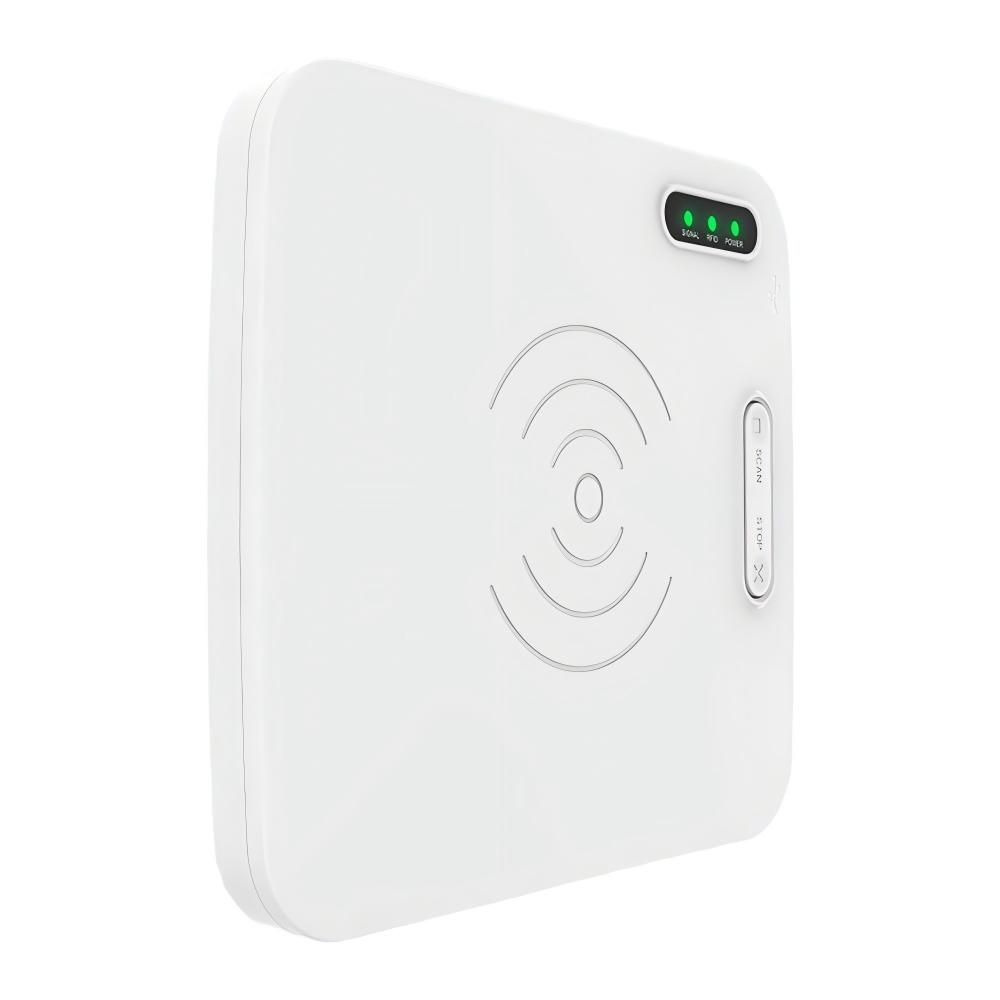
الميزات الرئيسية القراءة عن قرب الخاضعة للتحكميحد الهوائي المدمج للمجال القريب من نطاق القراءة إلى 30 سم ونطاق الكتابة إلى 10 سم، مما يساعد على تقليل التداخل من علامات RFID القريبة.كتابة العلامات المجمعةيدعم قارئ البطاقات كتابة سريعة ومتقطعة لعلامات RFID لإصدار العلامات وعمليات إدخال البيانات.قراءة العلامات الكثيفةيدعم قراءة علامات RFID الكثيفة، مع سرعة استجابة معلنة لا تقل عن 40 علامة في الثانية.تصفية العلاماتيمكن للجهاز تحديد وتصفية علامات RFID غير الصالحة أو المكررة.التحكم بالأزراريسمح زر فعلي للمستخدم ببدء أو إيقاف عمليات قراءة وكتابة RFID مؤقتًا.اتصال من النوع Cتدعم واجهة Type-C اتصال الأجهزة ونقل البيانات.دعم التطويرتتوفر وثائق تطوير Java و C# ومجموعة تطوير البرامج (SDK) للتطوير الثانوي.
اقرأ أكثر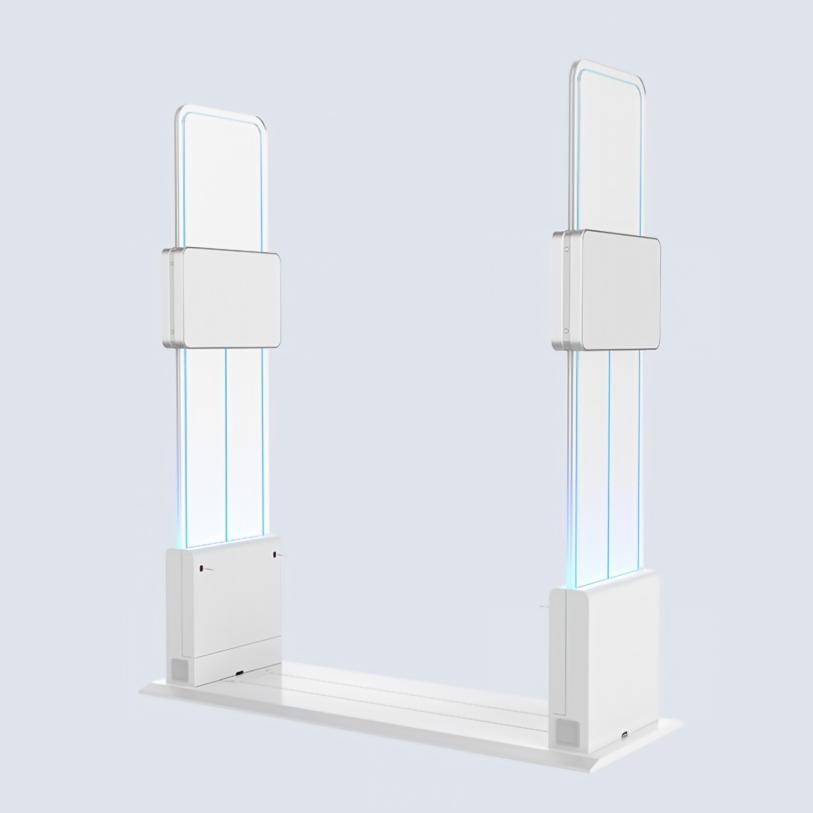
الميزات الرئيسية الكشف الديناميكي عن العلامات باستخدام الذكاء الاصطناعييقوم النظام بتحليل إشارات RFID ومسارات الحركة لتحديد حركة العلامات وتصفية العلامات الثابتة، مما يساعد على تقليل الإنذارات الكاذبة.تحديد الهوية باستخدام علامات متعددةيمكن تحديد العديد من علامات RFID أثناء المرور عبر منطقة الوصول، مما يدعم إدارة المرور المستمر.تحديد الهوية باستخدام تقنية RFID على مستوى العنصريمكن تحديد كل عنصر موسوم من خلال رمز RFID فردي لمراقبة الوصول وإدارة مكافحة السرقة.تغطية منطقة الوصول 2.4 متريُذكر أن تصميم الهوائي الأمثل يوفر تغطية عبر منطقة مرور تبلغ مساحتها 2.4 متر.تشغيل نظام المساعدة على الطريق (EAS) دون اتصال بالإنترنتيمكن لوظيفة مكافحة السرقة أن تستمر في العمل حتى في حالة عدم توفر اتصال الشبكة.إنذار صوتي ومرئيقد يؤدي التحرك غير المصرح به إلى تشغيل ضوء تحذيري وجهاز تنبيه.إحصاء الأشخاص (اختياري)يمكن لشاشة عرض خارجية اختيارية عرض عدد مرات الدخول والخروج.خيارات متعددة للشبكةيُعد الاتصال السلكي عبر الإيثرنت قياسياً، مع وجود وحدات اختيارية للواي فاي والجيل الرابع.
اقرأ أكثر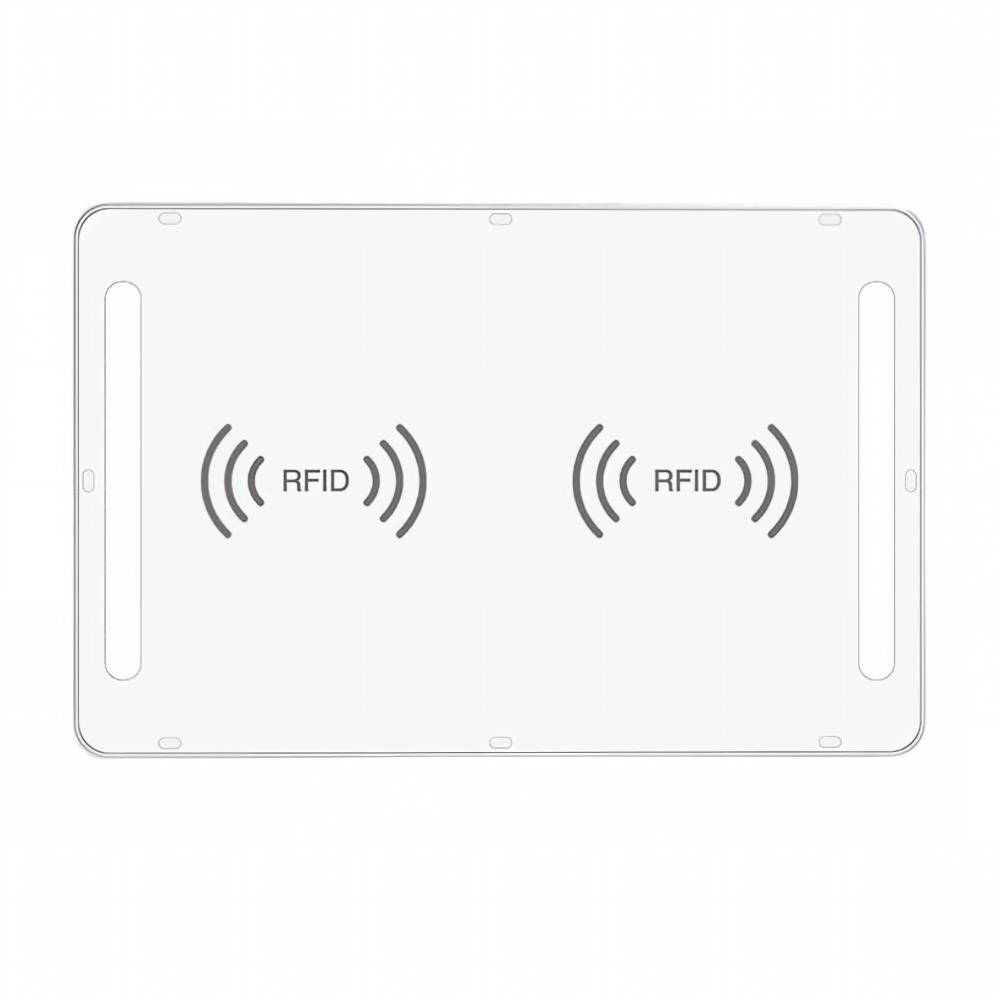
الميزات الرئيسية تركيب مثبت على السقفيتم تثبيت النظام في السقف باستخدام دعامة تثبيت، مما يساعد على توفير مساحة الأرضية.هوائي مدمج ذو استقطاب دائريتم دمج هوائي RFID في الجهاز، مما يلغي الحاجة إلى تثبيت هوائي خارجي منفصل.تحديد الهوية باستخدام علامات متعددةيمكن للجهاز التعرف على عدة علامات RFID خلال عملية القراءة نفسها.قراءة RFID كثيفةيدعم هذا النظام قراءة العلامات الكثيفة للبيئات التي تمر فيها عناصر متعددة تحمل علامات عبر المنطقة الخاضعة للمراقبة.إنذار صوتي ومرئييوفر النظام تنبيهات ضوئية وصوتية عند تحديد علامة RFID غير مصرح بها.سجلات الدخول والخروج التلقائيةيمكن تسجيل معلومات دخول وخروج العناصر الموسومة تلقائيًا.تصفية علامات RFIDيدعم الجهاز تصفية بيانات علامات RFID والحكم الذكي على معلومات العلامات.كشف إشارة RSSIتتيح وظيفة RSSI للنظام اكتشاف قوة إشارة RFID.خرج تردد لاسلكي قابل للتعديلتبلغ طاقة خرج التردد اللاسلكي القصوى 33 ديسيبل ± 1 ديسيبل ويمكن تعديلها بخطوات 1 ديسيبل.ترقية البرامج الثابتة عبر الإنترنتيدعم الجهاز ترقيات البرامج الثابتة عبر الإنترنت.
اقرأ أكثر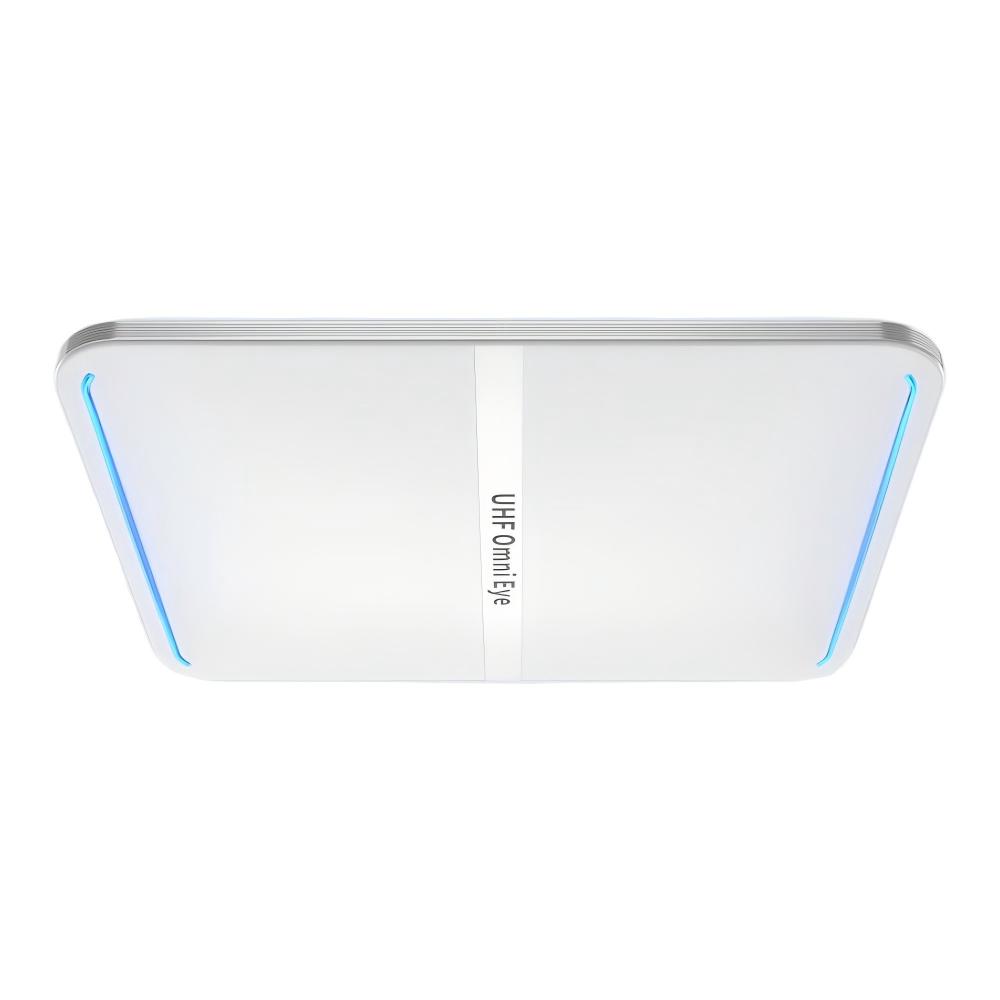
الميزات الرئيسية تحديد مسار الطوريقوم النظام بتحليل مسارات طور علامات RFID لتحديد ما إذا كانت العناصر الموسومة تدخل المنطقة الخاضعة للمراقبة أم تغادرها.الكشف المتزامن عن الدخول والخروجيمكنه التمييز بين اتجاهات الدخول والخروج عندما تتحرك عدة علامات RFID عبر منطقة الوصول في نفس الوقت.تصفية القراءات الشاذةيتحكم النظام في عمليات قراءة RFID غير المقصودة حول المدخل ويدعم ما يصل إلى ست قواعد تصفية EPC.لا يوجد تعديل للاتجاه في الموقعتشير الصفحة إلى أنه يمكن استخدام الجهاز بعد التثبيت دون الحاجة إلى توجيهات متكررة في الموقع أو تعديل المعلمات.معالجة العلامات المتعددةيدعم قراءة وكتابة علامات RFID على دفعات، بسرعة تعريف معلنة تزيد عن 500 قراءة في الثانية.تصميم مثبت على السقفيمكن تركيب الجهاز على السقف باستخدام دعامة تثبيت علوية أو دعامة تثبيت جانبية أو كابل تعليق، دون أن يشغل مساحة أرضية الممر.إنذار صوتي ومرئييمكن التحكم في جهاز التنبيه المدمج وشرائط الإضاءة الحمراء والزرقاء لإصدار تنبيهات صوتية ومرئية.مراقبة حالة التشغيليدعم النظام الإبلاغ عن حالة تشغيل التحكم في الوصول ويمكنه الإبلاغ تلقائيًا عن أعطال مكونات الأجهزة الداخلية.
اقرأ أكثر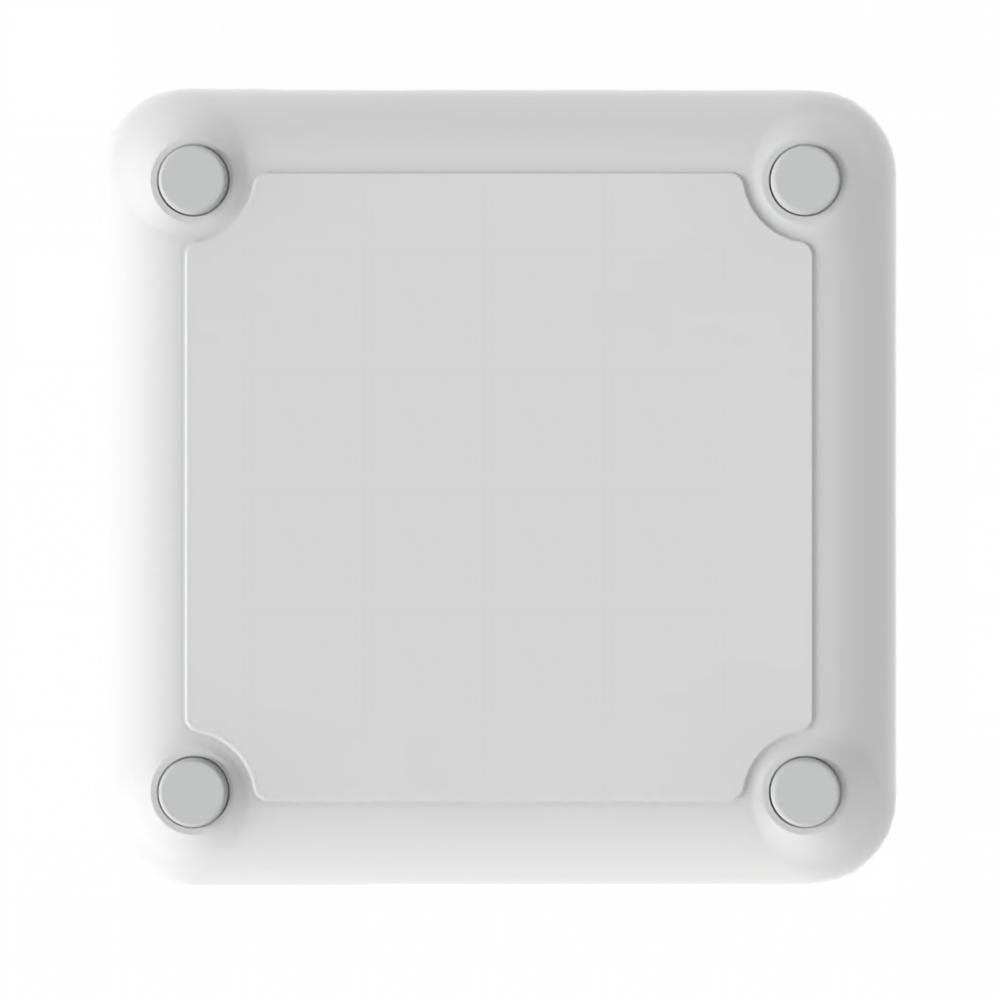
الميزات الرئيسية أداء عالي الكسبيوفر الهوائي كسبًا يزيد عن 9 ديسيبل لزيادة قوة إشارة RFID ونطاق التغطية.الاستقطاب الدائرييوفر التصميم ذو الاستقطاب الدائري تغطية إشارة أكثر تجانسًا ويساعد على تقليل النقاط العمياء للقراءة.نسبة محورية منخفضةنسبة المحور أقل من 3 ديسيبل، مما يدعم استقبال إشارة RFID بشكل مستقر.التوافق مع نطاق الترددات الواسعيدعم الهوائي نطاق تردد UHF من 840 إلى 960 ميجاهرتز.نسبة موجة واقفة منخفضةنسبة الموجة الموقوفة للجهد لا تتجاوز 1.3:1، مما يساعد على تقليل انعكاس الإشارة وتوهينها.حماية IP65يتمتع الهوائي بتصنيف حماية IP65 للاستخدام في بيئات التشغيل المحددة.
اقرأ أكثر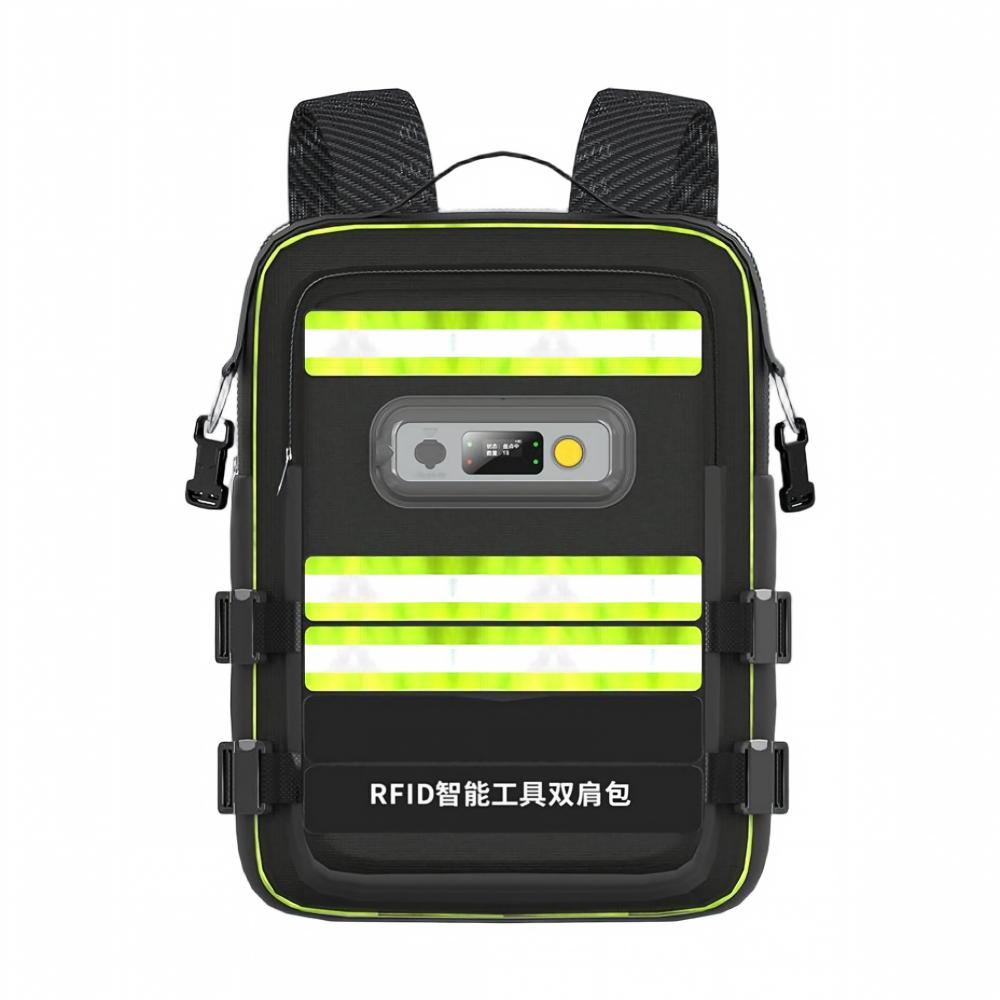
الميزات الرئيسية قفل الأدوات بلمسة واحدة يُستخدم ربط بطاقة RFID وقفل ميكانيكي معًا لتأمين حالة الأدوات داخل حقيبة الظهر. ويمكن أن يؤدي الفتح غير المصرح به إلى إطلاق إنذار صوتي ومرئي. جرد المغادرة التلقائي تقوم حقيبة الظهر بمسح الأدوات الموجودة بداخلها ومقارنتها تلقائيًا بقائمة الأدوات عند مغادرة منطقة العمل. نسبة الخطأ المعلنة لا تتجاوز 0.02%، مع تنبيه صوتي وتطبيق جوال في حال وجود أي خلل في الكمية. إنذار فقدان الأدوات عندما تكون الأداة على بُعد أكثر من مترين من حقيبة الظهر، يُمكن للمنتج إطلاق إنذار محلي وإرسال الموقع المفقود إلى جهاز المسؤول. كما تُشير الصفحة إلى دعم تسجيلات الحركة السابقة. إعدادات البلوتوث يمكن لتطبيق جوال مخصص الاتصال بحقيبة الظهر عبر البلوتوث لضبط قواعد الجرد، وعتبات الإنذار، ومعلومات الأدوات. كما تتضمن الصفحة معلومات عن إدارة حقائب الظهر المتعددة. وحدة تخزين أدوات معيارية يمكن استخدام الفواصل القابلة للإزالة لتعديل تصميم التخزين الداخلي. وتتسع حقيبة الظهر لـ 32 فئة من أدوات الصيانة القياسية، بما في ذلك المفكات، وأجهزة القياس المتعددة، والمناظير الداخلية، وأحزمة الأمان. موقع الأداة تشير الصفحة إلى أنه يمكن استخدام تحليل قوة إشارة RFID لتحديد موقع الأدوات بدقة تصل إلى 0.5 متر. مزامنة البيانات السحابية يمكن مزامنة سجلات الوصول إلى الأدوات مع منصة إدارة أصول المؤسسة لتخصيص الأدوات عبر المناطق المختلفة ورؤية المخزون بشكل عام. الحماية الصناعية توضح الصفحة الامتثال لمعيار الحماية من الانفجار Ex ib IIC T4 Gb وتصف التشغيل في درجات حرارة تتراوح من -20 درجة مئوية إلى +60 درجة مئوية.
اقرأ أكثر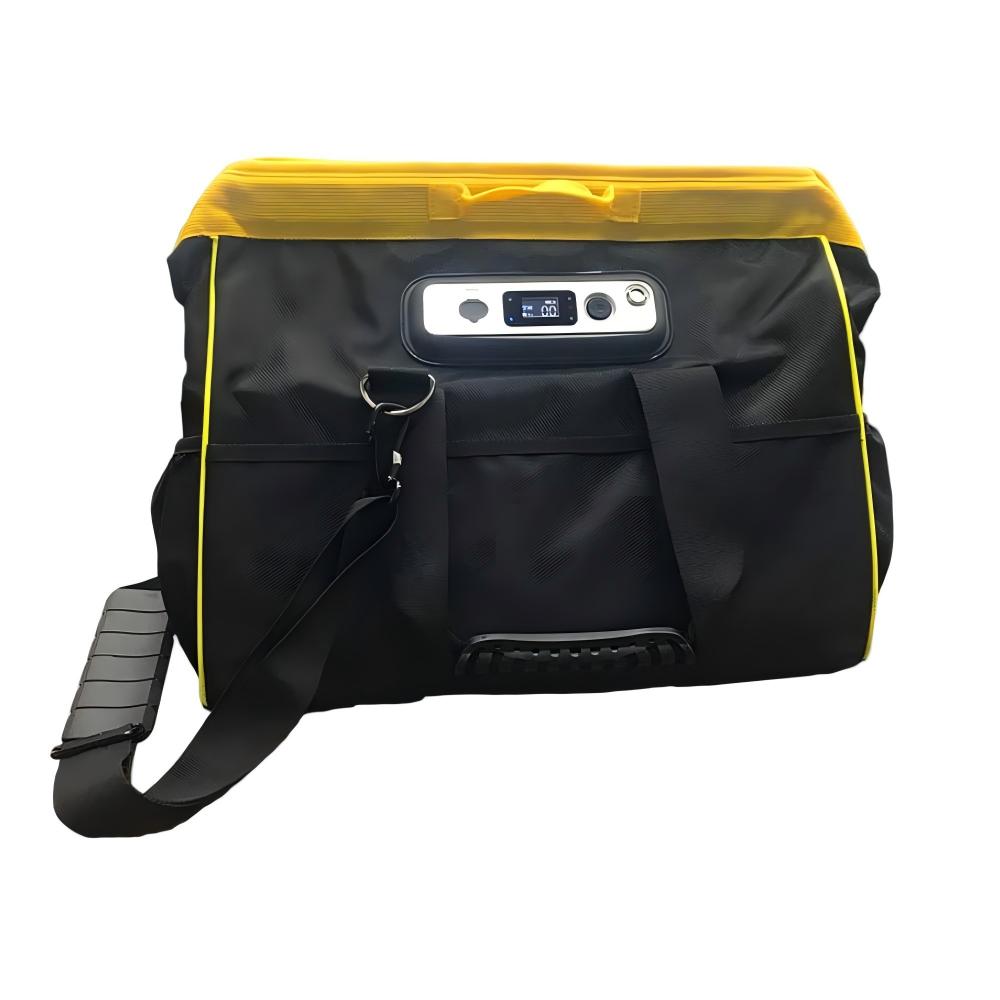
الميزات الرئيسية قفل الأدوات بلمسة واحدة يمكن وضع الأدوات بحرية داخل الحقيبة وتثبيتها في قائمة الجرد الحالية باستخدام عملية بلمسة واحدة. جرد المغادرة التلقائي تقوم الحقيبة بفحص كمية الأدوات المسجلة وتوفر تذكيراً عند فقدان أي أداة أثناء المغادرة. إنذار فقدان الأدوات يُصدر جهاز إنذار محلي تنبيهًا للمشغل عند عدم اكتشاف أداة مسجلة. إعدادات البلوتوث يمكن للمنتج الاتصال بالهاتف المحمول عبر البلوتوث لضبط الإعدادات والتعديلات الوظيفية. التعرف التلقائي على الهوية باستخدام تقنية RFID تتيح تقنية UHF RFID التعرف التلقائي على الأدوات الموسومة وحصرها في المخزون. إدارة الأدوات المحمولة تم تصميم هيكل الحقيبة الكتفية لعمليات الفحص والإصلاح والصيانة المتنقلة.
اقرأ أكثر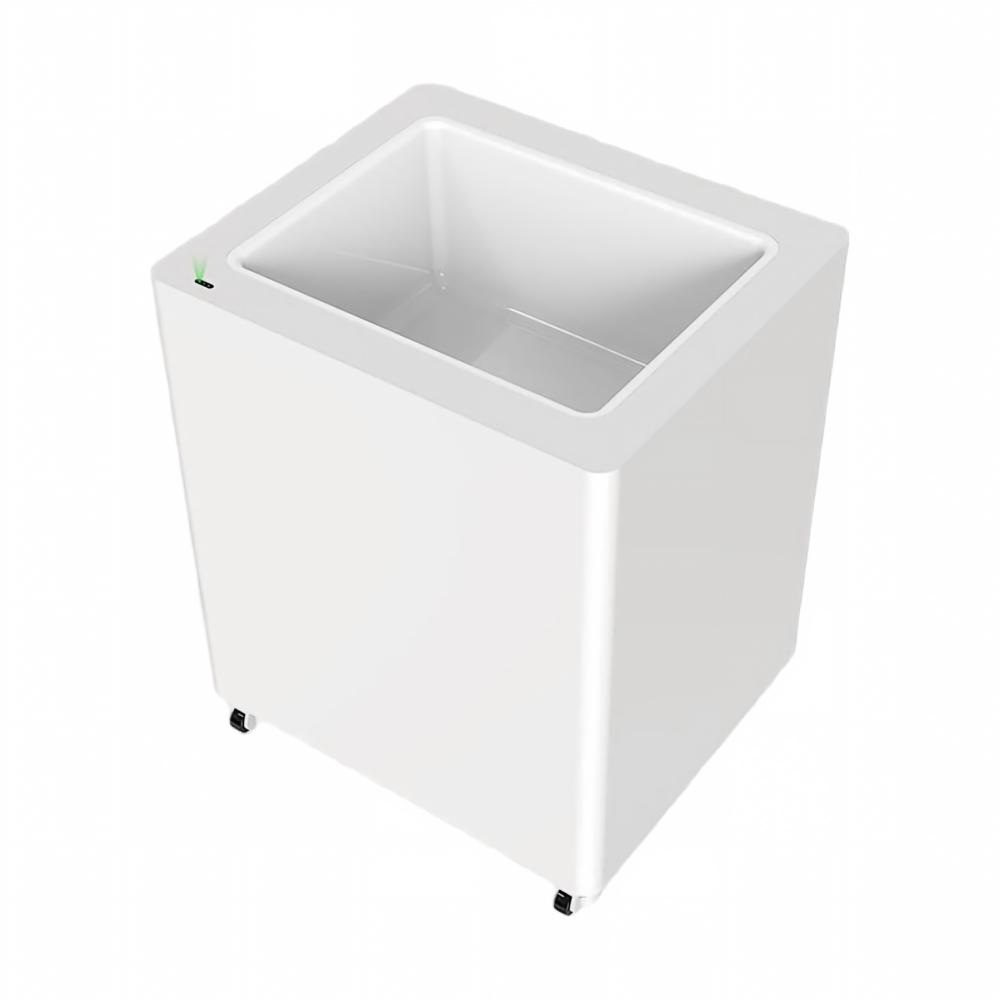
الميزات الرئيسية تحديد علامة الدفعة يستطيع الجهاز تحديد أكثر من 30 عنصرًا موسومًا بدقة في عملية واحدة. القراءة والكتابة الجماعية يدعم هذا الجهاز قراءة وكتابة علامات RFID على دفعات. نطاق القراءة العشوائية الخاضع للتحكم يحد تصميم الهوائي المحسن من القراءات غير المقصودة حول الجهاز إلى مسافة لا تتجاوز 20 سم. خرج تردد لاسلكي قابل للتعديل يمكن ضبط طاقة خرج الترددات اللاسلكية من 0 إلى 33 ديسيبل ميلي واط بخطوات 1 ديسيبل ميلي واط. ضبط الطاقة التلقائي يمكن للجهاز ضبط طاقة الترددات اللاسلكية تلقائيًا وفقًا لمادة العنصر وبيئة التعريف. دعم الشاشة الخارجية يمكن توصيل شاشة خارجية لتحديث بيانات المبيعات وعرض معلومات الدفع. نقل البيانات التسلسلي تدعم واجهة RS-232 المدمجة نقل البيانات بين الجهاز والنظام المتصل. وظائف التعريف الاختيارية تم إدراج التعرف على رمز الاستجابة السريعة والتعرف على الوجه وشبكة الواي فاي كخيارات إضافية.
اقرأ أكثر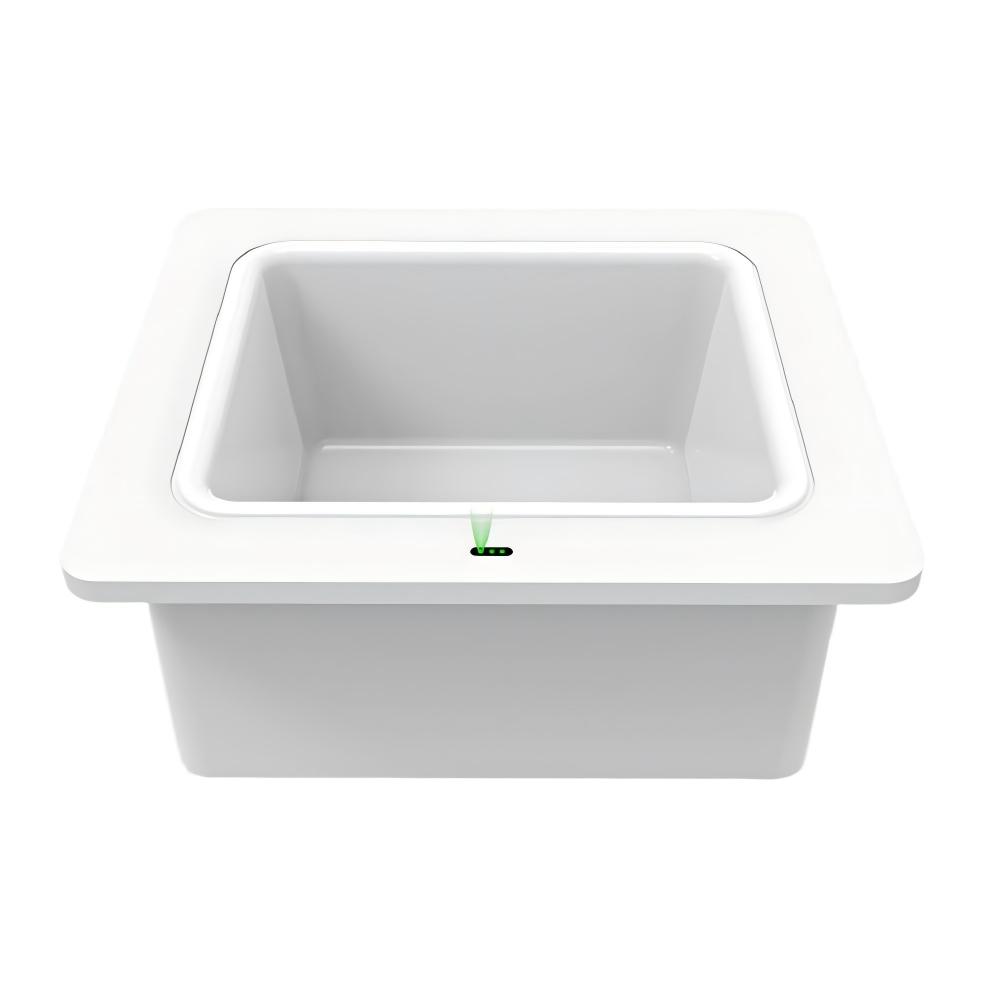
الميزات الرئيسية تحديد الهوية متعددة العلامات دفعة واحدة يمكن للجهاز تحديد أكثر من 30 عنصرًا موسومًا في عملية واحدة ويدعم قراءة وكتابة علامات RFID على دفعات. قراءات ضالة خاضعة للرقابة يتم استخدام تصميم هوائي مخصص للتحكم في القراءات غير المقصودة حول منطقة التعريف في بيئات متعددة العلامات. خرج تردد لاسلكي قابل للتعديل يمكن ضبط طاقة خرج الترددات اللاسلكية من 0 إلى 33 ديسيبل ميلي واط بخطوات 1 ديسيبل ميلي واط. دعم الشاشة الخارجية يمكن للقارئ الاتصال بشاشة عرض لعرض معلومات المبيعات أو الدفع أو المخزون. التثبيت المدمج تم تصميم الهيكل المدمج ليتم تركيبه داخل أسطح العمل أو المعدات. نقل البيانات عبر الإيثرنت يتم توفير واجهة إيثرنت للتواصل مع أنظمة الإدارة أو منصات الواجهة الخلفية.
اقرأ أكثر
الميزات الرئيسية تحديد هوية الدفعات باستخدام تقنية RFID تدعم محطة العمل تحديد هوية العناصر الموسومة بتقنية UHF RFID على دفعات. وتشير المواصفات الفنية إلى أنها قادرة على تحديد هوية 30 عنصرًا على الأقل في عملية واحدة. منطقة قراءة خاضعة للرقابة يحد تصميم الهوائي المخصص من قراءات العلامات غير المقصودة إلى مسافة 80 سم تقريبًا. شاشة لمس مقاس 21.5 بوصة يشتمل الجهاز على شاشة لمس سعوية مقاس 21.5 بوصة لتفاعل المستخدم. الاستعارة والإرجاع بالخدمة الذاتية تدعم محطة العمل استعارة العناصر، ومعالجة عمليات الإرجاع، وإدارة الحالة، وسجلات العمليات ذات الصلة. طرق متعددة للتحقق من المستخدم تم إدراج التعرف على الوجه والتحقق من البطاقة كوظائف قياسية، بينما يعد الواي فاي اختياريًا. اتصال إيثرنت تستخدم محطة العمل واجهة إيثرنت للاتصال بالنظام ونقل البيانات.
اقرأ أكثر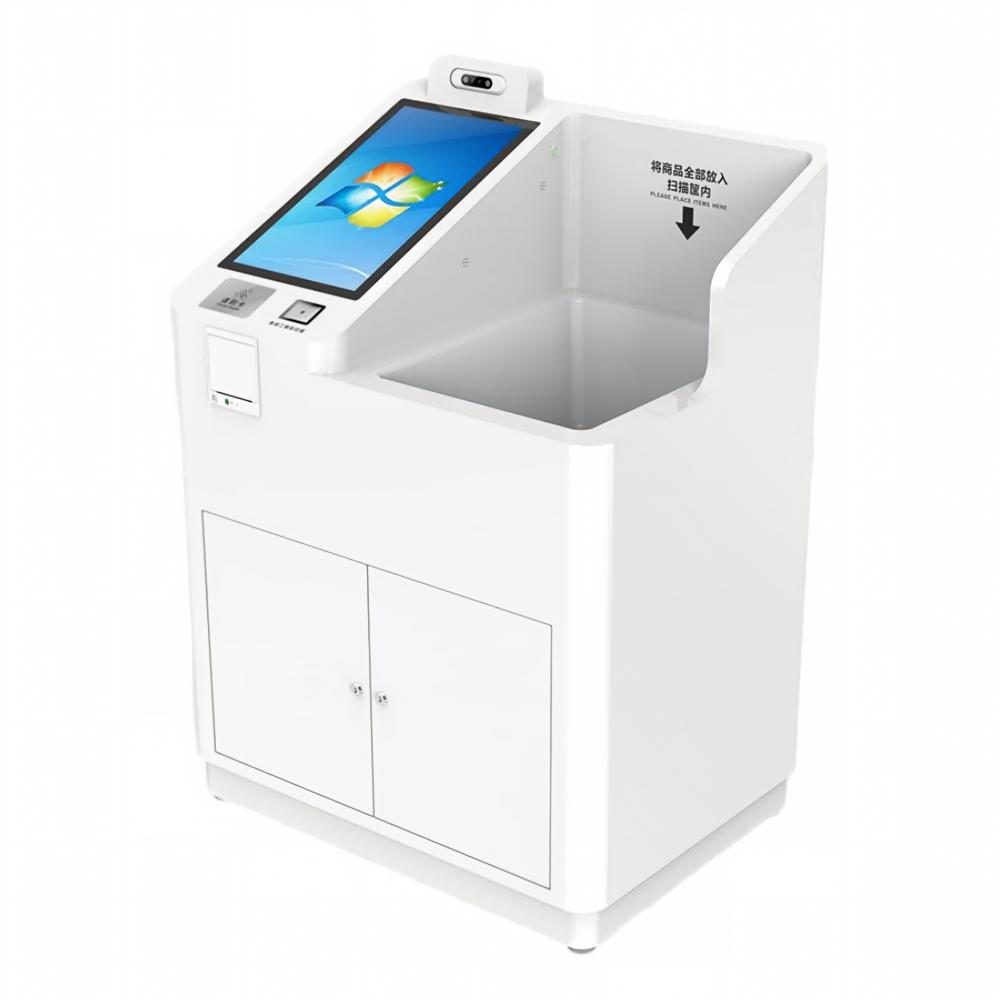
الميزات الرئيسية تحديد هوية الدفعات باستخدام تقنية RFID تدعم المحطة قراءة العلامات المتعددة ويمكنها تحديد ما لا يقل عن 10 عناصر في عملية واحدة. أمان تقنية تحديد الهوية بموجات الراديو (RFID) - إعادة كتابة البتات أثناء عملية الدفع، يمكن للنظام إعادة كتابة حالة الأمان الخاصة بعلامات RFID تلقائيًا. تحديثات بيانات المبيعات يمكن مسح معلومات المنتج وتحديث بيانات المبيعات أثناء عملية الدفع. عرض معلومات الدفع تعرض شاشة اللمس مقاس 21.5 بوصة معلومات الدفع لتأكيدها من قبل العميل. وظائف متعددة للدفع يشمل نظام الإدارة طرق الدفع، ودفع الأعضاء، وسجلات الدفع، وإدارة المخزون، وإدارة الأجهزة، وإدارة شؤون الموظفين، وتقارير البيانات. وظائف التعريف الاختيارية تتوفر ميزات التعرف على رمز الاستجابة السريعة (QR code) والتعرف على الوجه وشبكة الواي فاي كخيارات إضافية.
اقرأ أكثر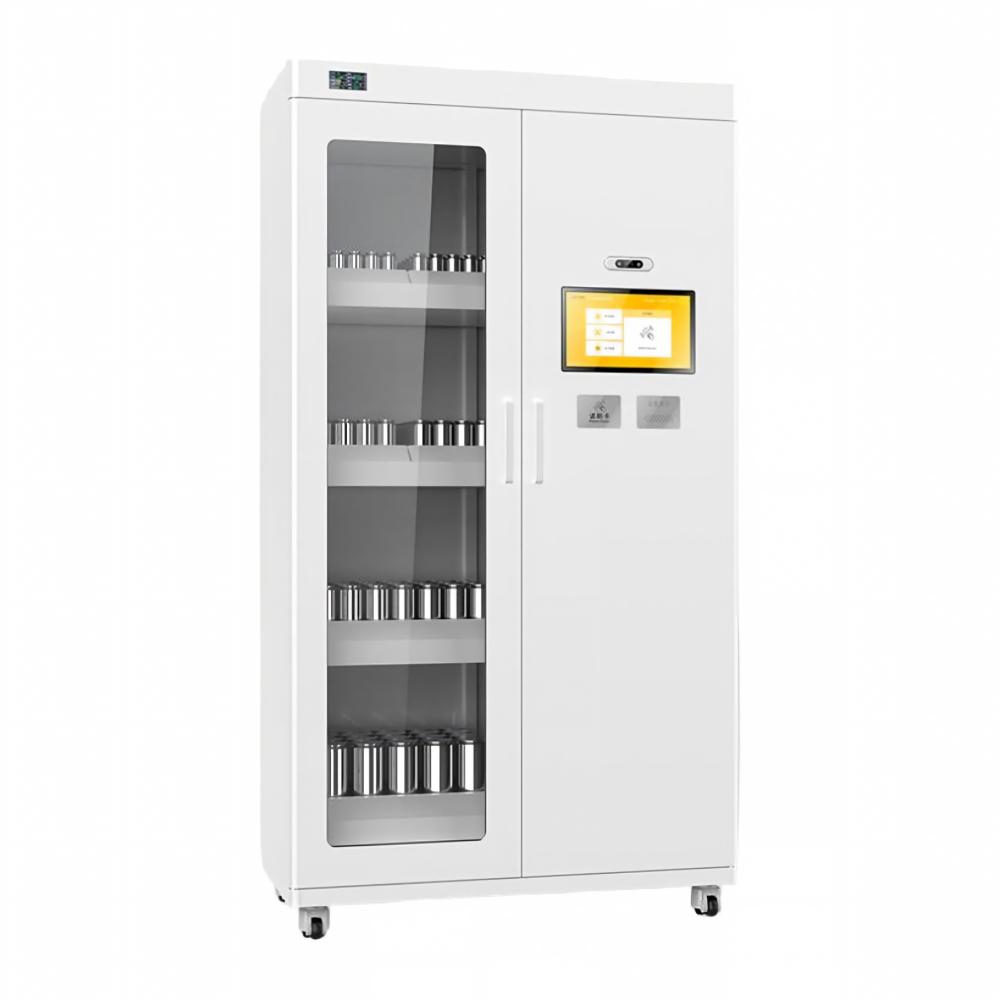
الميزات الرئيسية معايرة الوزن الديناميكي يدعم النظام عملية التصفير التلقائي وإزالة الوزن الفارغ لتقليل تأثير درجة الحرارة والرطوبة البيئية على دقة الوزن. تحذير بشأن العناصر المفقودة عندما يتجاوز فرق الوزن 2٪ أثناء إعادة الأداة، يمكن للنظام إطلاق إنذار للإشارة إلى احتمال فقدان أداة أو أحد مكونات الأداة. مراقبة الكمية المتبقية من الدفعة يسجل الجهاز وزن العبوات الاستهلاكية المجمعة ويمكنه إصدار تذكير بالتجديد عندما تكون الكمية المتبقية غير كافية. إدارة صلاحيات المستخدمين المتعددين يمكن ضبط عتبات وزن التجميع لأدوار وظيفية مختلفة وأنواع مختلفة من الأدوات أو المواد الاستهلاكية. تصميم مقاوم للاهتزازات الصناعية تم تصميم هيكل مستشعر الوزن ذي النقاط الأربع لمقاومة تداخل الاهتزاز في بيئات ورش العمل، مع تذبذب دقة معلن أقل من 0.3٪. مزامنة البيانات في الوقت الفعلي يمكن ربط بيانات الوزن بأنظمة إدارة المستودعات أو أنظمة تخطيط موارد المؤسسات لإنشاء تقارير استهلاك المواد. توجيهات التشغيل الصوتي يمكن للنظام تقديم تنبيهات صوتية عند اكتشاف حالات زيادة الوزن أو نقص الوزن.
اقرأ أكثر
الميزات الرئيسية التعرف التلقائي على علامات RFIDيقوم النظام بقراءة معلومات علامة RFID تلقائيًا دون الحاجة إلى اتصال مادي.تحديد الهوية باستخدام علامات متعددةيدعم التعرف المتزامن على علامات RFID المتعددة للتعامل مع متطلبات قراءة العلامات الكثيفة.تصفية العلاماتيدعم تصفية بيانات علامات RFID لتحسين كفاءة إدارة الهوية.تركيب مثبت على السقفيوفر الهيكل المثبت في السقف مساحة التركيب ولا يشغل مساحات أرضية.تصميم هوائي مدمجيدمج النظام الهوائيات داخليًا ويستخدم بنية مدمجة مع القارئ.إنذار صوتي ومرئييدعم التنبيهات الصوتية والمرئية لعلامات RFID غير المصرح بها.تحميل البياناتيدعم نقل البيانات في الوقت الفعلي لأنظمة الإدارة.دعم تطوير SDKيوفر موارد تطوير SDK لتكامل الأنظمة.
اقرأ أكثر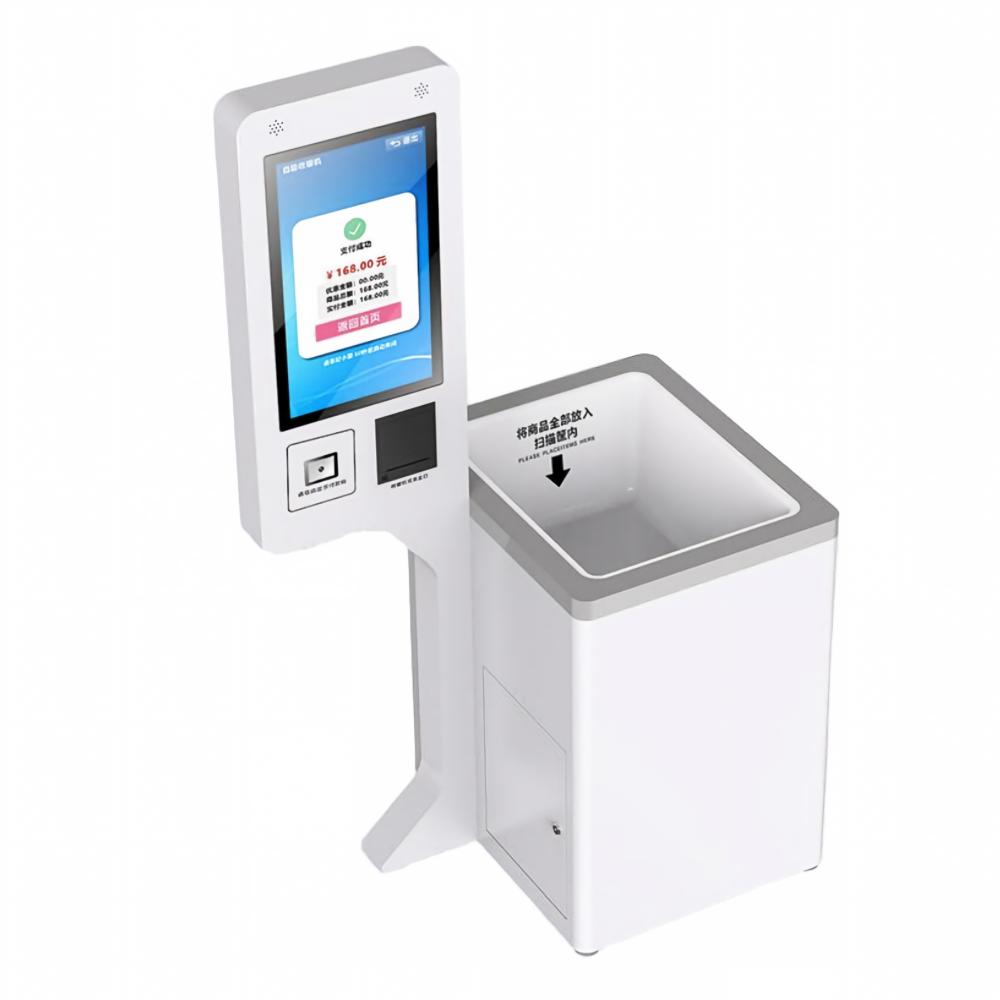
الميزات الرئيسية تحديد الهوية باستخدام تقنية UHF RFIDيدعم طريقة تحديد الهوية باستخدام ترددات الراديو فائقة التردد (UHF RFID).يدعم بروتوكولات EPC C1G2 وISO 18000-6B وISO 18000-6Cتستخدم تقنية UHF RFID لقراءة وكتابة العلاماتتحديد العلامات المتعددةيدعم التعرف المتزامن على عدة ملصقات RFIDيدعم قراءة العناصر بتقنية RFID لعمليات الدفع الذاتيوظائف معالجة البياناتتصفية بيانات التصنيفاتإدراك قوة إشارة الاستقبال (RSSI)إحصائيات الكميةطلب بطاقة الخدمة الذاتيةتصميم شاشة لمس متكاملةشاشة لمس سعوية مقاس 21.5 بوصةدقة 1920 × 1080يدعم التفاعل الذاتيوظائف التعرف المتعددةمسح الباركودمسح رمز الاستجابة السريعةالتعرف على الوجه (قياسي)التعرف على بصمات الأصابع (اختياري)توافق النظاميدعم أنظمة ويندوز / أندرويديدعم التطوير الثانوي لحزمة تطوير البرامج (SDK).يدعم لغات البرمجة Java و C#
اقرأ أكثر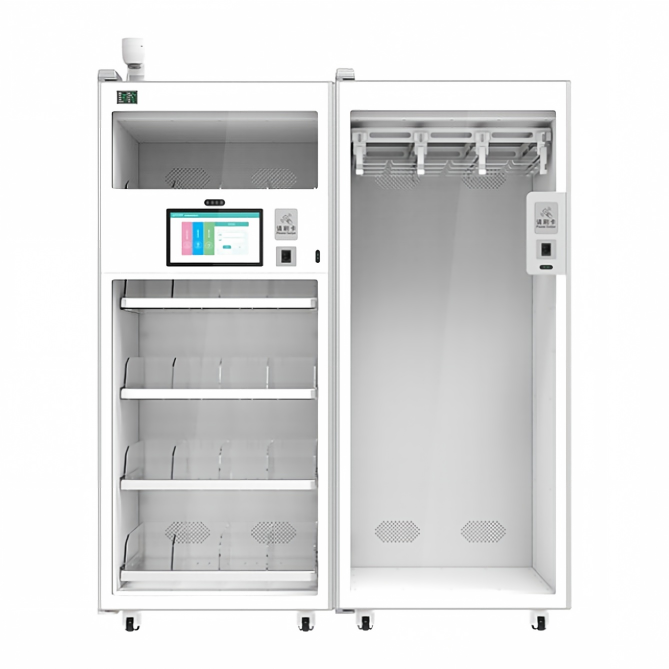
الميزات الرئيسية الاستشعار التلقائي بتقنية RFIDتقوم الخزانة تلقائيًا باكتشاف تخزين واسترجاع المواد الاستهلاكية التي تحمل علامات RFID دون الحاجة إلى مسح يدوي.جرد سريع للمخزونيذكر المصدر أن عملية جرد المخزون يمكن إتمامها في غضون 5 ثوانٍ تقريبًا.إمكانية تتبع المواد الاستهلاكيةيدعم النظام إمكانية تتبع المواد الاستهلاكية من التخزين الوارد وحتى الاستخدام.تنبيهات المخزونيتم دعم التنبيهات المتعلقة بانخفاض المخزون وتواريخ انتهاء الصلاحية.سعة تخزين كبيرةيمكن للخزانة استيعاب ما يقارب 250 إلى 500 من المواد الاستهلاكية.دقة قراءة عاليةويشير المصدر إلى دقة قراءة تقنية تحديد الهوية بموجات الراديو (RFID) تصل إلى 99.9%.
اقرأ أكثر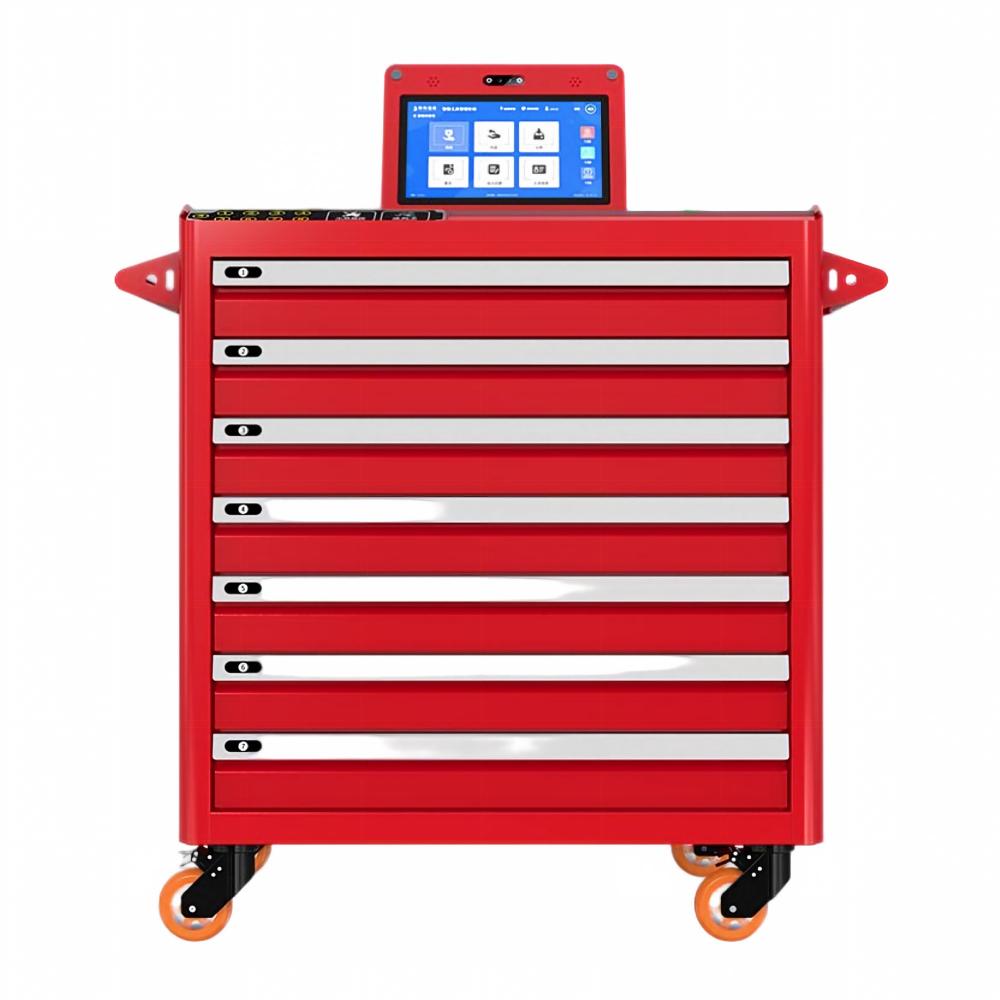
الميزات الرئيسية جرد سريع للأدواتتشير الصفحة إلى أنه يمكن إكمال عمليات فحص الأدوات اليومية والشهرية في غضون 3 ثوانٍ.استعارة وإرجاع السجلاتيسجل النظام عمليات استعارة الأدوات وإعادتها، مما يسمح بمراجعة سجلات حركة الأدوات.تحذير بشأن الأدوات المفقودةعندما لا يتم إرجاع الأداة في الوقت المحدد، يمكن للنظام إصدار تحذير وربط السجل بالمستخدم المسؤول.تحديد موقع الأداة والبحث عنهاتُستخدم تقنية RFID لدعم تحديد مواقع الأدوات والبحث عنها بشكل أسرع.التغذية الراجعة الصوتيةيمكن الإبلاغ عن نتائج العملية من خلال الرسائل الصوتية.عمر بطارية طويلتذكر الصفحة أن العربة يمكن أن تعمل لأكثر من 10 ساعات بشحنة كاملة.فتح القفل بلمسة واحدةيمكن فتح جميع أبواب الخزائن بلمسة واحدة.
اقرأ أكثر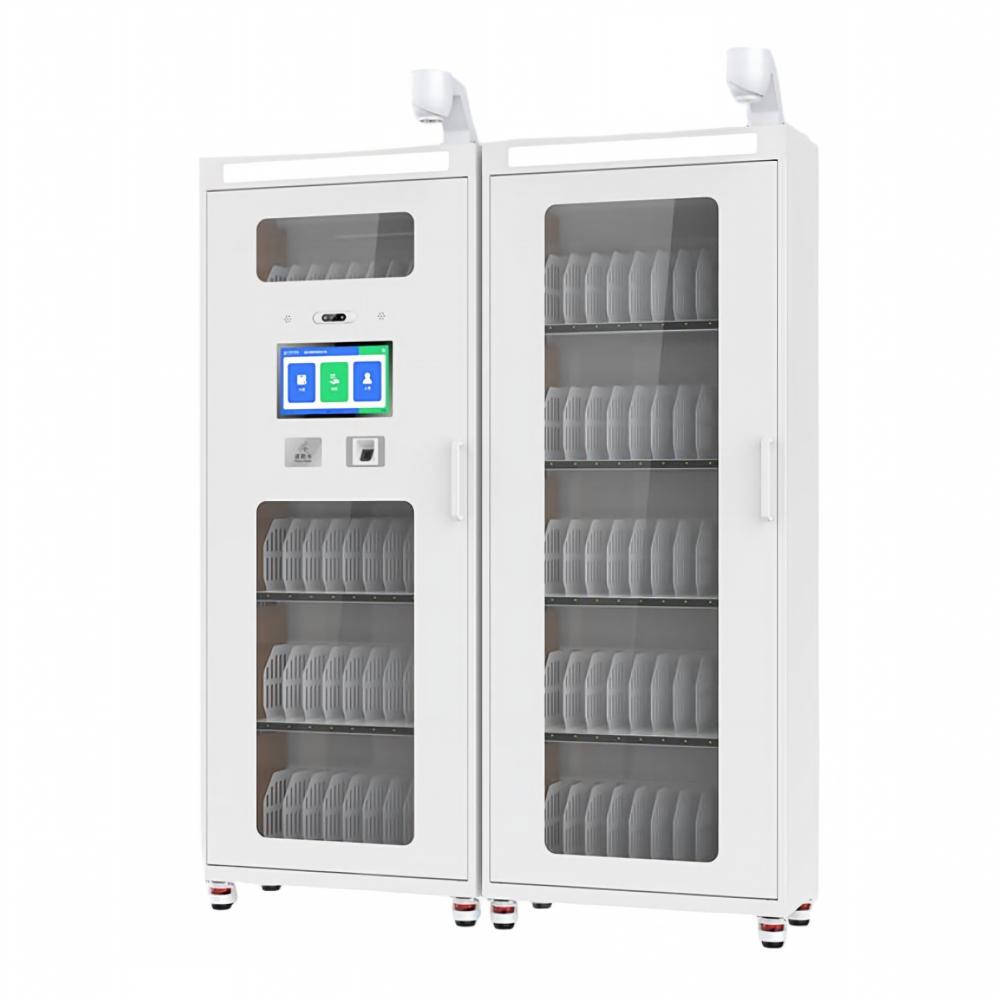
الميزات الرئيسية إدارة الاستعارة والإرجاع التلقائيةتقوم الخزانة بتسجيل معلومات استعارة الأرشيف وإعادته ونقله تلقائيًا، مما يقلل من المعالجة اليدوية.فحص المخزون في 3 ثوانٍيذكر المصدر أنه يمكن إكمال عمليات فحص المخزون اليومية أو الشهرية في غضون 3 ثوانٍ.تحديد موقع الأرشيفيوفر كل رف 12 نقطة تحديد مواقع لإدارة مواقع صناديق الأرشيف.البحث بمساعدة ضوء التذكيرتم تجهيز كل موقع من مواقع الأرشيف بضوء تذكيري لمساعدة المستخدمين على تحديد موقع الأرشيف المطلوب.خيارات متعددة للتحقق من الهويةتُعد بطاقة الموظف والتعرف على الوجه باستخدام المنظار من الميزات القياسية. أما بصمة الإصبع وكاميرا المراقبة والتعرف على بطاقة الهوية فهي ميزات اختيارية.التواصل المرنتم توفير منفذ RJ45، كما تم ذكر توسيع نطاق Wi-Fi و4G في الصفحة.
اقرأ أكثر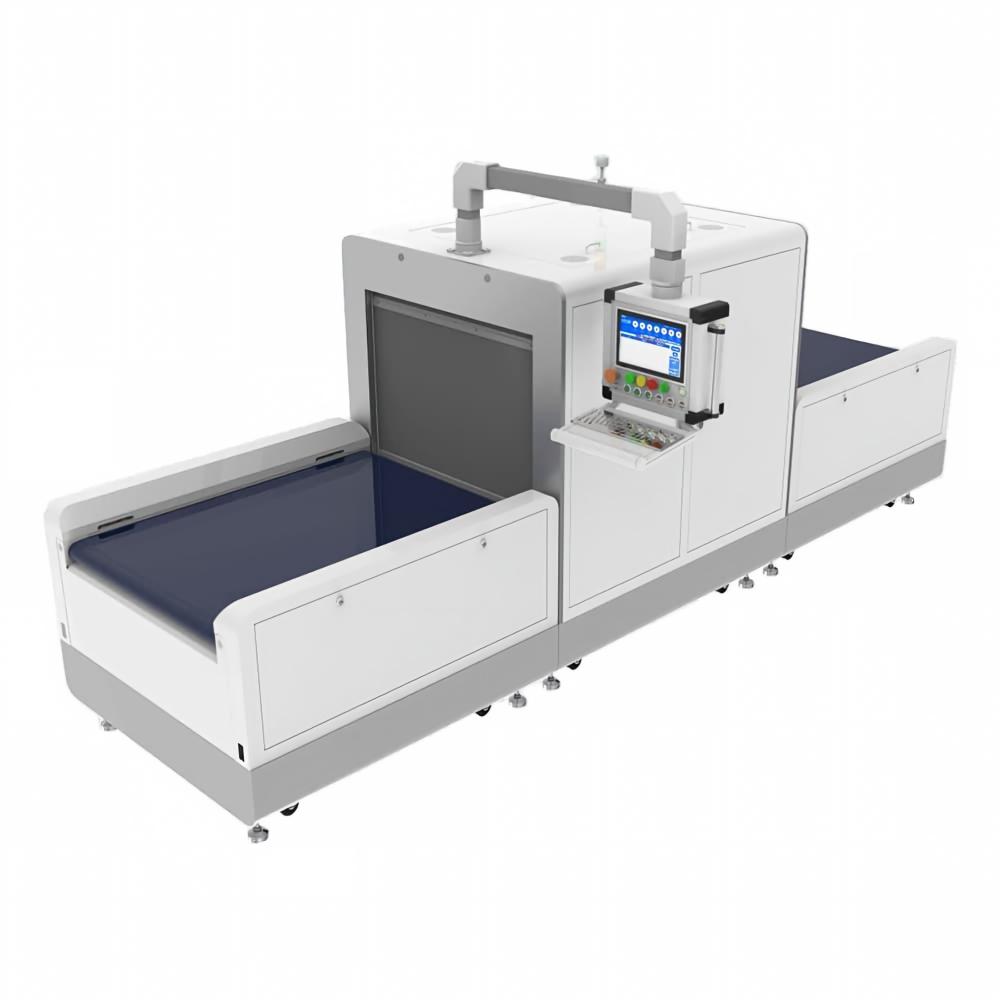
الميزات الرئيسية تحديد الدفعات بسرعة عاليةيمكن للنفق تحديد أكثر من 400 عنصر مزود بتقنية RFID في غضون 3 ثوانٍ، مع عرض قوائم العناصر في الوقت الفعلي.الحماية الكهرومغناطيسيةيستخدم النفق تصميمًا للحماية الكهرومغناطيسية لتحسين دقة قراءة العلامات داخل منطقة التعريف.نظام ناقل قابل للتعديلتبلغ سرعة الناقل الافتراضية 20 مترًا/دقيقة، ويمكن تعديلها حتى 30 مترًا/دقيقة. ويمكن التحكم في أقسام الناقل الثلاثة بشكل مستقل وضبطها بسرعات مختلفة.القراءة الثابتة والديناميكيةيدعم النظام تحديد علامات RFID الثابتة والمتحركة، مع أوضاع تشغيل دورية وأخرى تعتمد على الزناد.إمكانية الوصول للصيانة من كلا الجانبينتم تركيب أبواب الصيانة على جانبي النفق لتسهيل عملية الصيانة.دعم التوسعةيذكر المصدر أنه يمكن إضافة وحدة فرز العناصر غير الطبيعية وأن التطوير الثانوي مدعوم.
اقرأ أكثر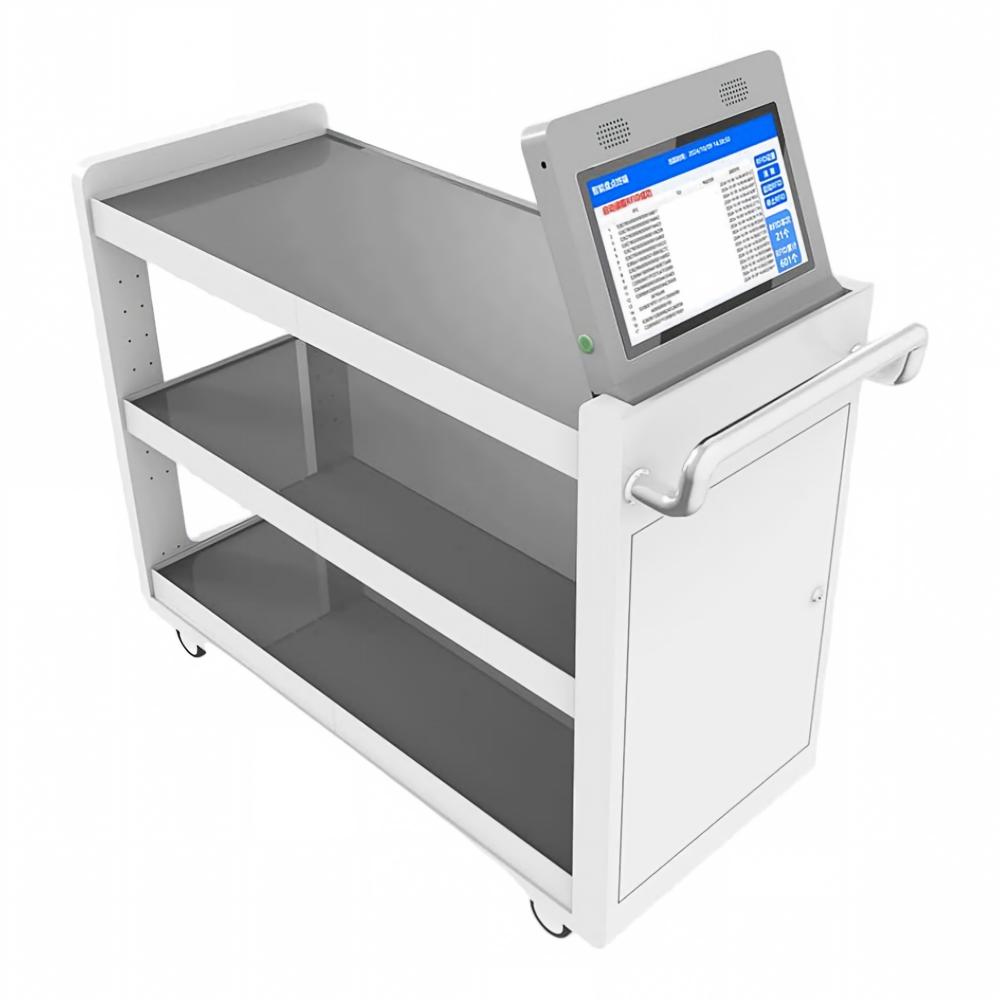
الميزات الرئيسية التعرف السريع على الدفعاتتتيح تقنية UHF RFID التعرف السريع على العديد من العناصر الموسومة.قارئ RFID مدمج بتردد UHFتم دمج قارئ RFID في العربة المتنقلة لجرد المخزون وجمع البيانات.مطابقة وتصفية علامات EPCيدعم النظام مطابقة علامات EPC وتصفية العلامات المكررة لتحسين دقة البيانات.جرد المخزون الآلييمكن تحديد العناصر الموسومة وحسابها تلقائيًا دون الحاجة إلى فحص يدوي لكل عنصر على حدة.تصميم هوائي المجال القريبيحتوي كل مستوى على أربعة هوائيات قريبة المدى للتحكم في منطقة قراءة RFID.نطاق القراءة الخاطئة المتحكم بهاتنص الصفحة على أنه يمكن التحكم في القراءة غير المقصودة في حدود 15 سم.تخزين العناصر المتنقلةتوفر العربة مساحة تخزين للعناصر المجمعة، مما يدعم وضع العناصر ونقلها أثناء عمليات الجرد.شاشة لمس قابلة للتعديلتدعم شاشة اللمس السعوية مقاس 14 بوصة زوايا عرض قابلة للتعديل.
اقرأ أكثر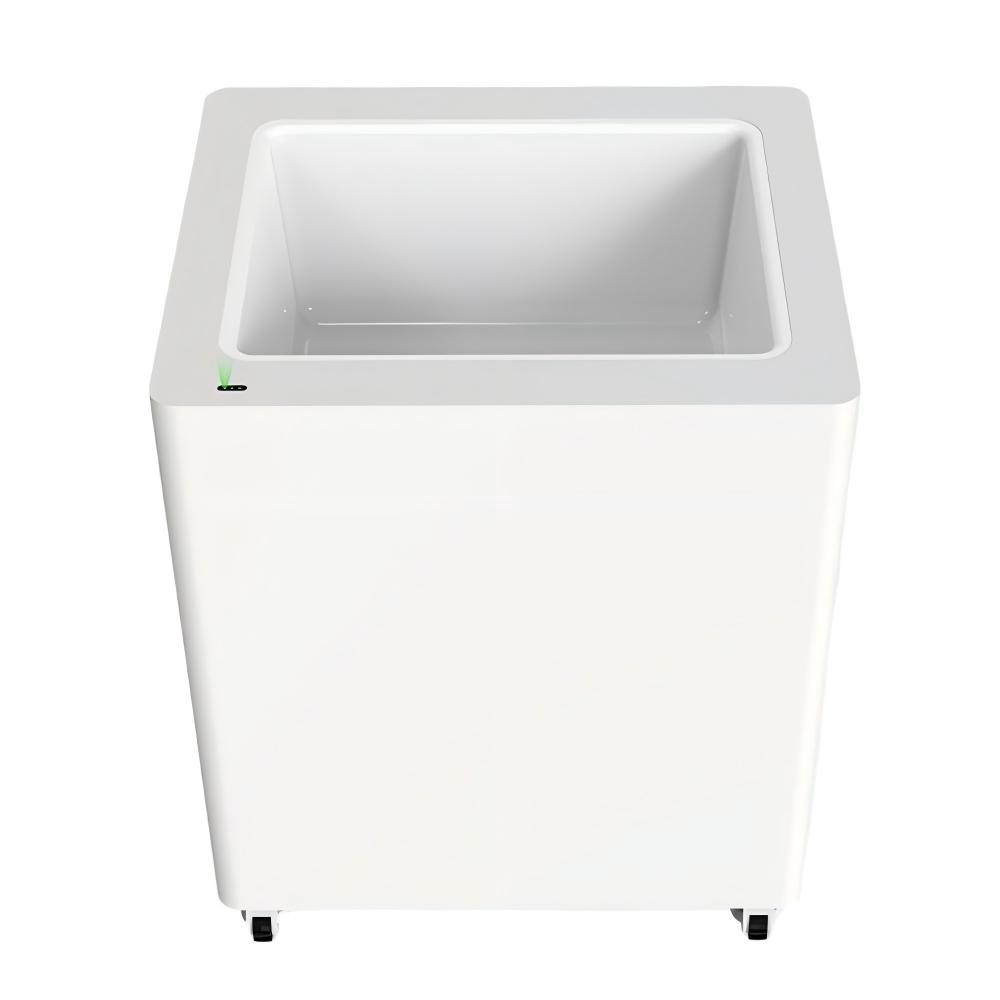
الميزات الرئيسية تحديد هوية عدة عناصر دفعة واحدة يستطيع الجهاز تحديد أكثر من 30 عنصرًا موسومًا بدقة في عملية واحدة. القراءة والكتابة الجماعية يدعم هذا الجهاز قراءة وكتابة علامات RFID على دفعات. نطاق القراءة العشوائية الخاضع للتحكم يتحكم تصميم الهوائي في قراءات العلامات المحيطة غير المقصودة في نطاق 20 سم. ضبط طاقة الترددات اللاسلكية تلقائيًا يمكن للجهاز ضبط طاقة خرج الترددات اللاسلكية تلقائيًا وفقًا لمادة العنصر وبيئة التعريف. دعم الشاشة الخارجية يمكن توصيل شاشة خارجية لعرض تحديثات بيانات المبيعات في الوقت الفعلي ومعلومات الدفع. نقل البيانات التسلسلي تدعم واجهة RS-232 نقل البيانات بشكل مستقر بين الجهاز والأنظمة المتصلة.
اقرأ أكثر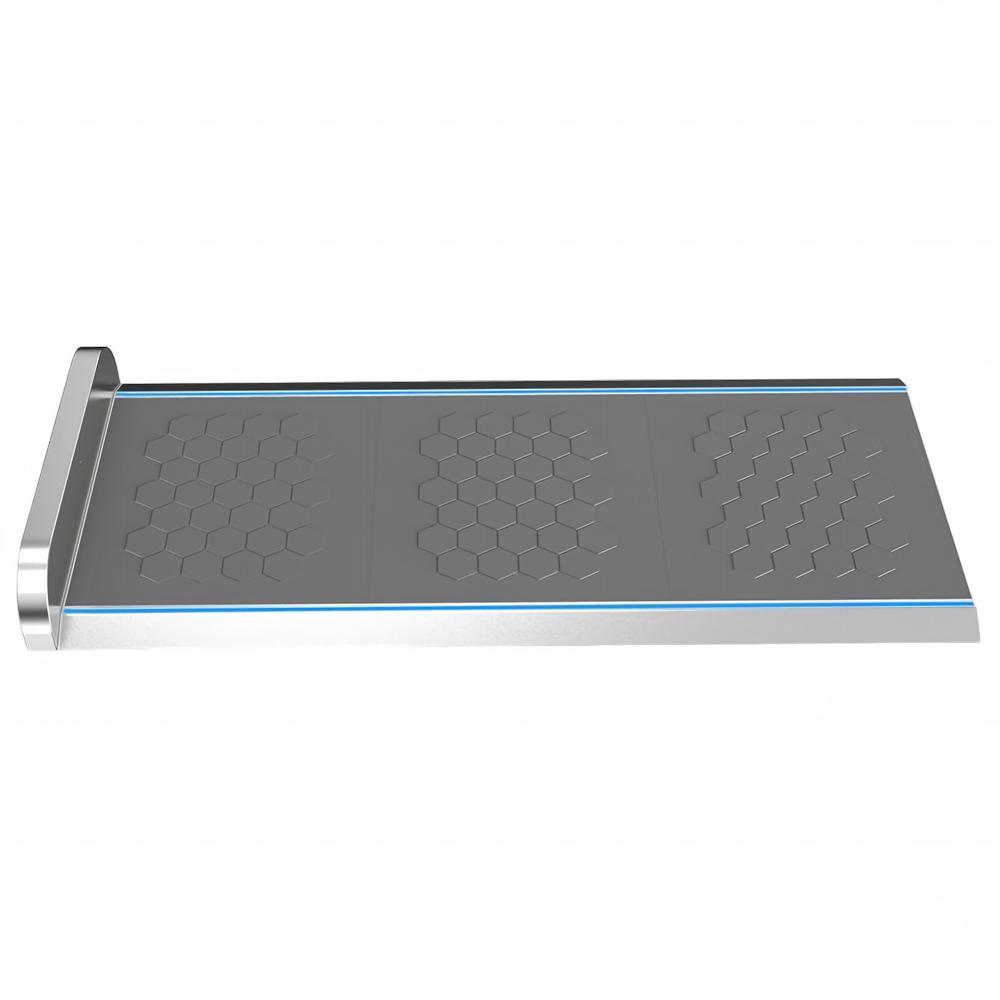
Key Features Floor-Triggered Identification The system can automatically trigger RFID identification when a person or tagged item passes through the detection area, supporting smoother passage without requiring manual operation. Direction Detection It automatically identifies entry and exit direction and displays the status of multiple tags. Dynamic Tag Identification The system reads moving RFID tags in real time and supports automatic recognition during passage. Tag Filtering Up to six EPC filtering rules are supported to reduce interference from non-target tags. Sound and Light Alarm The device includes a controllable buzzer and red/green light strips for abnormal-event alerts. Cloud Management MQTT-based cloud management supports centralized management of multiple access-control units, including status monitoring and remote parameter configuration. Offline Data Retransmission Local data can be cached when the network is disconnected and uploaded after connectivity is restored. Optional Spatial Sensor An optional top-mounted spatial sensor can trigger the system in advance to improve tag recognition performance.
اقرأ أكثر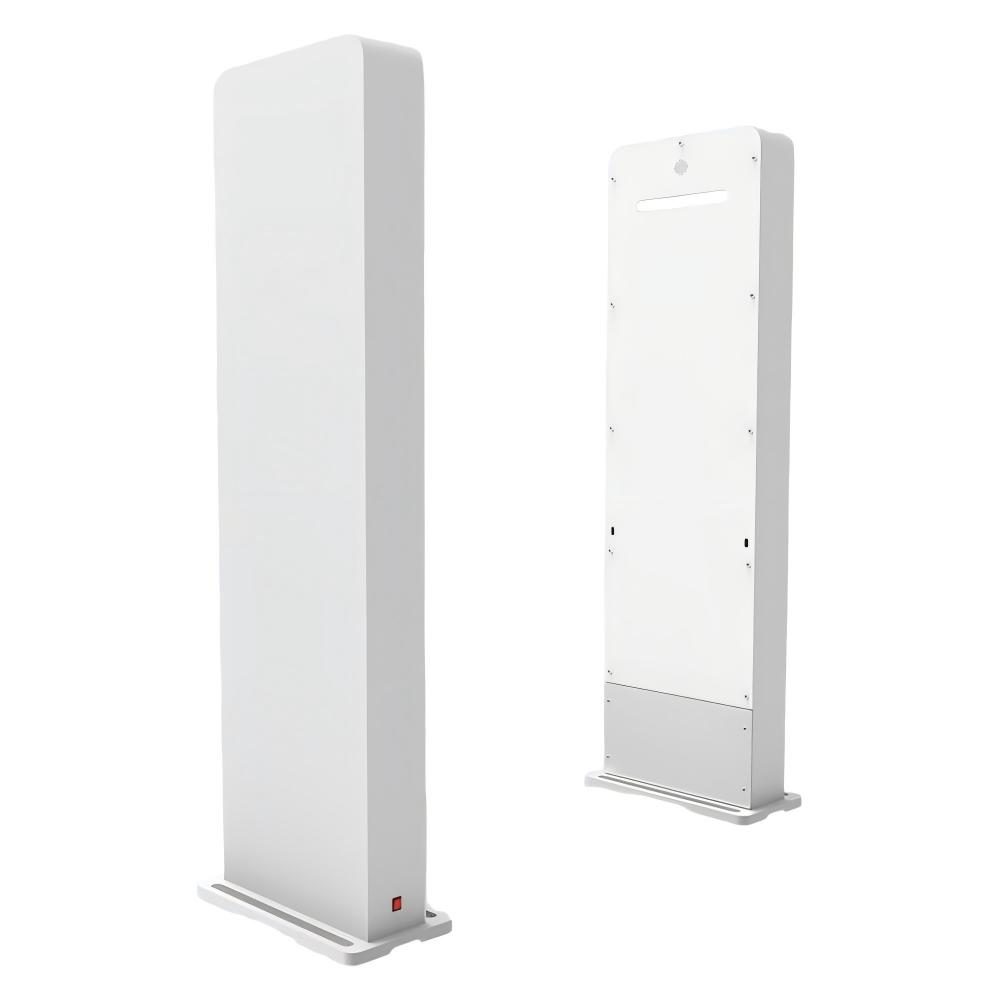
Key Features High-Speed Batch Reading The source states that the system can read more than 300 RFID tags in a single scan within 0.5 seconds. Dynamic Beam Coverage The page states that 16 antenna groups create a dynamic RFID identification field with a radius of approximately 3 meters. Offline Operation The system supports offline operation, with the page claiming missed-read rates of ≤0.001% and misread compensation response within 20 ms. Multi-Level Alarm Sound-and-light alarms can be triggered together with PDA or warehouse management system notifications. Infrared + RFID Tracking The system combines infrared sensing with RFID trajectory reconstruction to track item movement. Triple-Mode Communication Ethernet, Wi-Fi, and 4G are supported, with automatic switching between communication modes. The source states that offline retransmission can continue for at least 72 hours. Multi-Tag Filtering The RFID reader supports multi-tag identification, tag-data filtering, and RSSI signal-strength detection.
اقرأ أكثر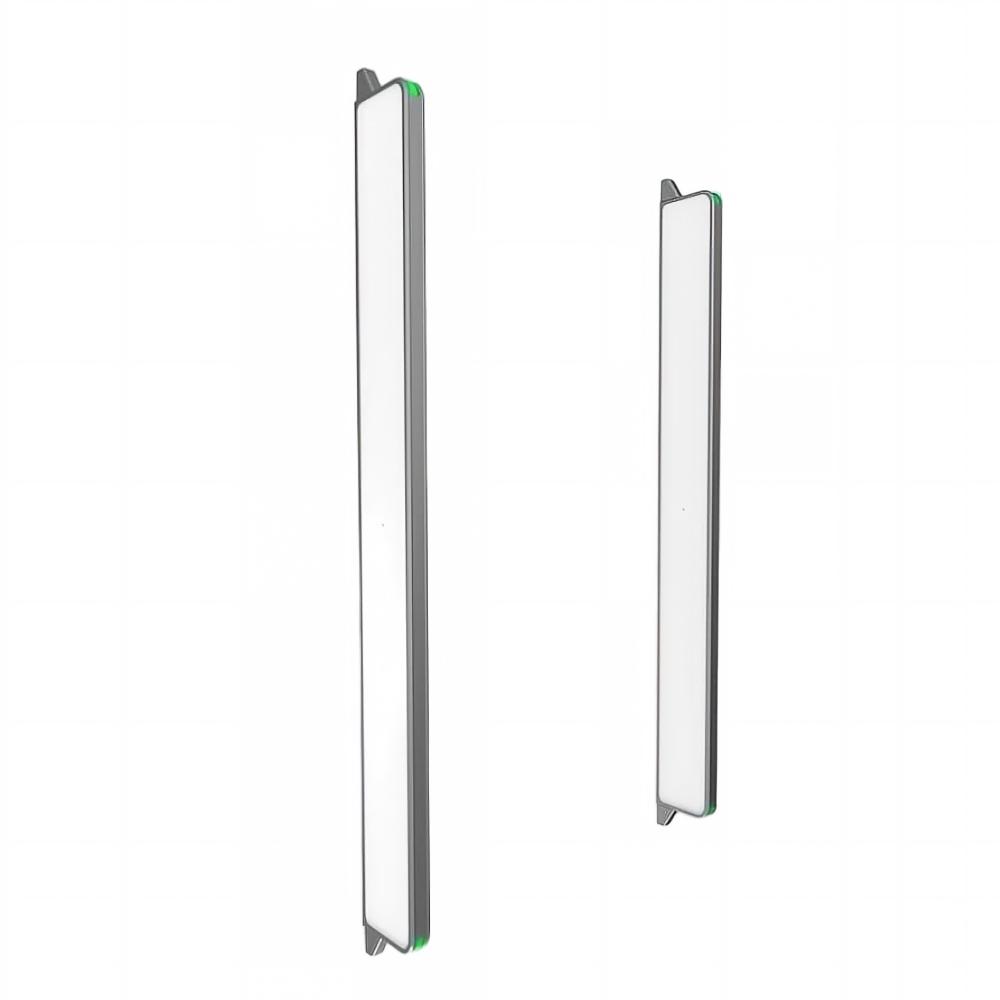
Key Features Multi-Tag RFID Reading Supports simultaneous identification of multiple UHF RFID tags and RFID tag data filtering. Infrared-Triggered Reading Infrared sensing automatically triggers RFID reading when someone passes through the detection area, reducing the need for manual operation. Sound and Light Alarm The system integrates warning lights and a buzzer and supports both online and offline EAS alarm modes. People Counting It supports automatic counting of people entering and leaving, with the corresponding data available for viewing. External Display Support An external monitor can be connected to display real-time inbound/outbound information and quantities. RSSI Signal Detection The RFID reader supports RSSI signal-strength sensing for tag identification and reading control. Compact Wall-Mounted Installation Its slim wall-mounted design is suitable for confined spaces such as warehouse aisles. Installation does not require floor slotting, and cables can be routed from either the top or bottom.
اقرأ أكثر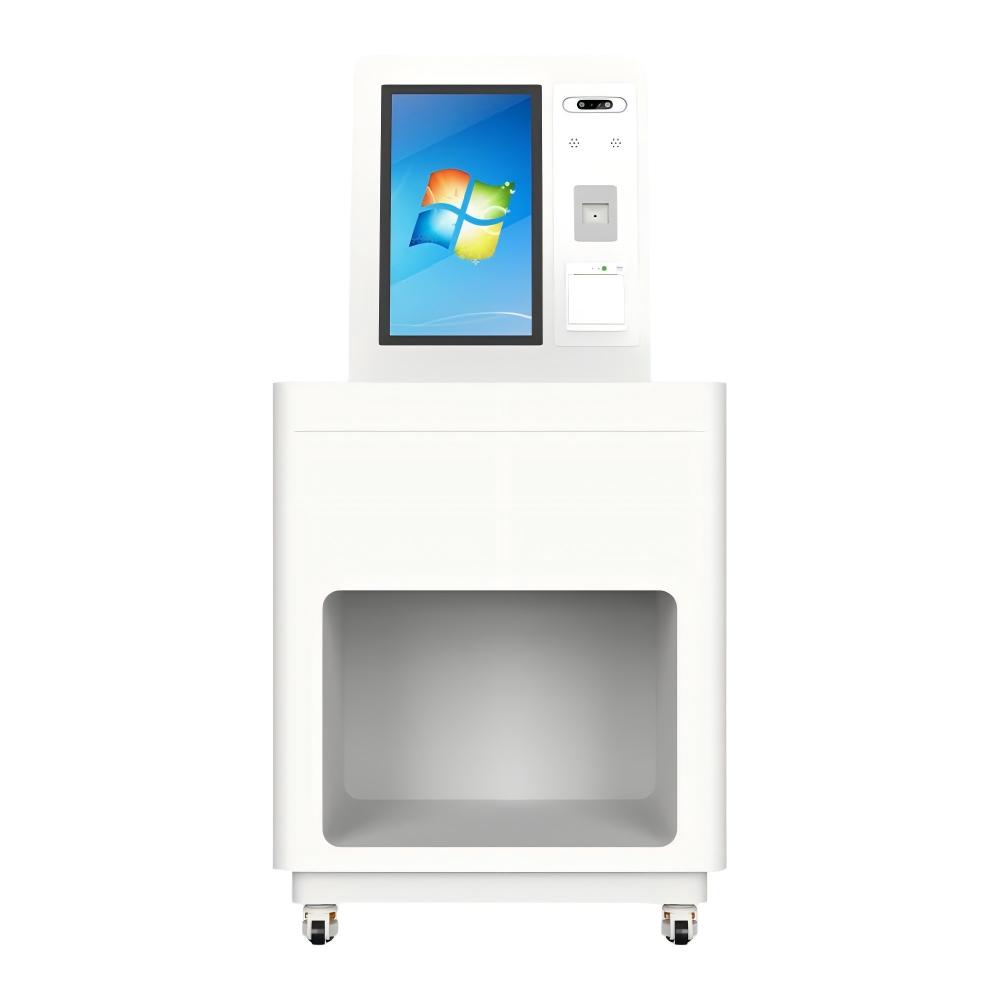
Key Features Multi-Tag RFID Reading Supports fast identification and reading of multiple UHF RFID tags during checkout. RFID Security Bit Rewriting The page states that the RFID tag anti-theft/security bit can be rewritten during checkout, allowing the security status to be changed as part of the transaction process. Sales Data Synchronization Sales information is updated in real time to support retail transaction and inventory management. 21.5-Inch Touchscreen The system uses a 21.5-inch capacitive touchscreen for self-service interaction and checkout information display. Ethernet Data Transmission An Ethernet interface is provided for system communication and data transmission. Optional Identification Functions QR code recognition, facial recognition, and Wi-Fi are listed as optional configurations.
اقرأ أكثرHi! Click one of our members below to chat on
 ar
ar 


 دعم شبكة IPv6